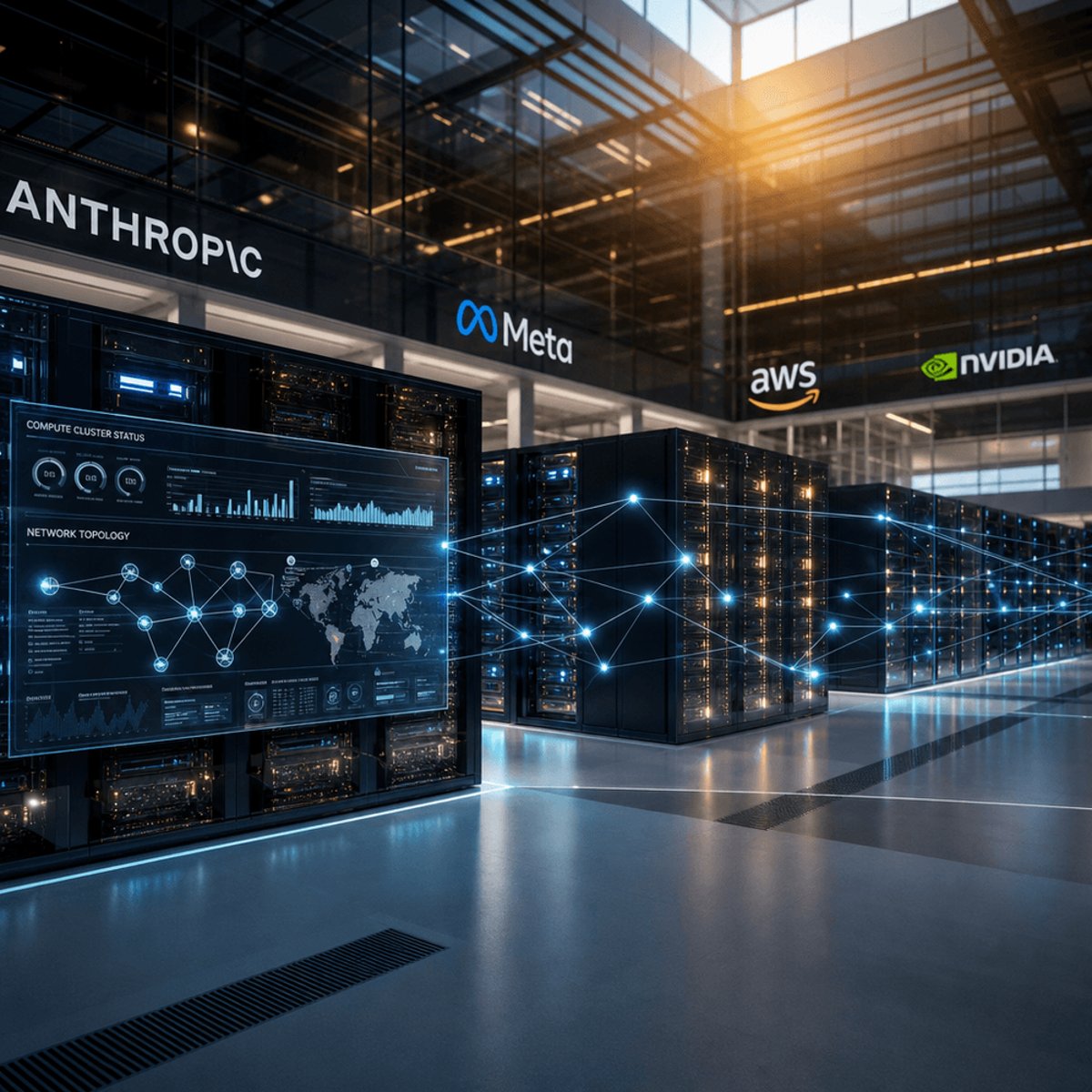
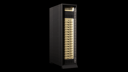
Anthropic is in early-stage talks with Meta to acquire computing power, marking the AI startup's second major infrastructure play in recent weeks. The discussions follow Anthropic's newly announced deal with SpaceX's Colossus 1 data center, signaling an aggressive push to secure the GPU capacity needed to compete with OpenAI and Google in the escalating race to build more powerful AI models. The move underscores how compute access has become the ultimate bottleneck in AI development.
Anthropic is moving fast to solve AI's biggest constraint: access to massive computing power. The company behind Claude AI has entered preliminary discussions with Meta to lease data center capacity, according to sources familiar with the matter speaking to CNBC. If finalized, the arrangement would give Anthropic access to Meta's sprawling GPU infrastructure, built to support the social media giant's own ambitious AI projects.
The timing is telling. Just weeks ago, Anthropic announced a similar agreement with SpaceX to utilize computing resources at its Colossus 1 data center, a facility that's been the subject of both technical acclaim and community controversy. That deal marked an unusual crossover between Elon Musk's aerospace venture and the AI startup world, but it reflected a harsh reality: traditional cloud providers can't keep up with demand from frontier AI labs.
What's driving this compute scramble? Training large language models has become exponentially more resource-intensive. While OpenAI reportedly used around 10,000 Nvidia H100 GPUs to train GPT-4, next-generation models are expected to require 10 to 100 times that capacity. Anthropic needs that firepower to keep Claude competitive, especially as it battles for enterprise customers against OpenAI's ChatGPT and Google's Gemini.
Meta has emerged as an unlikely infrastructure provider in this landscape. The company has invested billions building out data centers packed with cutting-edge Nvidia chips, initially to power its own AI initiatives like Llama models and AI-driven content recommendations. But with utilization rates fluctuating and the economics of AI infrastructure still uncertain, leasing excess capacity to well-funded competitors makes strategic sense.
The talks also reveal how the AI industry's power structure is shifting. Just two years ago, compute access wasn't a major competitive factor - most labs could rent what they needed from Amazon Web Services, Microsoft Azure, or Google Cloud. Now, with wait times stretching months and prices soaring, AI companies are forced to negotiate directly with anyone who owns GPU clusters at scale. That's turned unexpected players like SpaceX and Meta into potential kingmakers.
For Meta, the arrangement could offset some of the massive capital expenditures Mark Zuckerberg has poured into AI infrastructure. The company spent over $30 billion on capex in 2025 alone, much of it on data centers and chips. Leasing unused capacity to Anthropic would generate revenue while keeping those expensive assets productive during off-peak periods.
But there's risk on both sides. Anthropic would become dependent on a company that's also developing competing AI products. Meta's Llama models directly challenge Claude in some enterprise use cases, creating potential conflicts down the line. And for Meta, hosting a rival's training runs means giving competitors visibility into its infrastructure capabilities and potentially sensitive operational details.
The SpaceX deal provided a template for how these unconventional partnerships might work. Colossus 1, despite facing local opposition over environmental concerns, offers Anthropic dedicated capacity outside the traditional cloud oligopoly. Adding Meta as a second major compute partner would diversify risk and ensure Anthropic isn't overly reliant on any single provider - a crucial hedge as AI scaling continues.
Industry watchers see these moves as a preview of what's to come. As model training costs balloon into nine figures per run, only a handful of companies will be able to afford the infrastructure needed to stay competitive. That's forcing strange bedfellows and creative deals that would've seemed unlikely just months ago. Nvidia remains the common thread, as its H100 and upcoming B100 chips power virtually every major AI training cluster.
Neither Anthropic nor Meta has officially confirmed the talks, and sources caution the discussions are still early-stage. Details around pricing, capacity allocation, and contract length remain unclear. But the very fact that these conversations are happening signals how desperate the hunt for compute has become.
The talks between Anthropic and Meta represent more than just a real estate deal for server space - they're a signal that AI's competitive landscape is being redrawn around infrastructure access. As training costs explode and traditional cloud providers struggle to meet demand, expect more unconventional partnerships between AI labs and anyone sitting on spare GPU capacity. The question isn't whether Anthropic will secure the compute it needs, but whether smaller competitors without billion-dollar war chests can even stay in the game. Watch for formal announcements in coming weeks, and don't be surprised if other AI labs follow with their own creative infrastructure plays.