Apple just opened up about something it rarely discusses: the future. In a rare sit-down with WIRED, executives revealed the company's AI strategy and long-term vision as it marks five decades since Steve Jobs and Steve Wozniak founded the company in a Los Altos garage. The timing isn't coincidental - as competitors like OpenAI and Google dominate AI headlines, Apple's betting its famously integrated approach will win the next era of computing.
Apple doesn't do vulnerability well. But as the company celebrates 50 years since its founding on April 1, 1976, executives are making an exception. In conversations with veteran tech journalist Steven Levy at WIRED, Apple's leadership opened up about how they plan to navigate the AI revolution that's rewriting the rules of consumer technology.
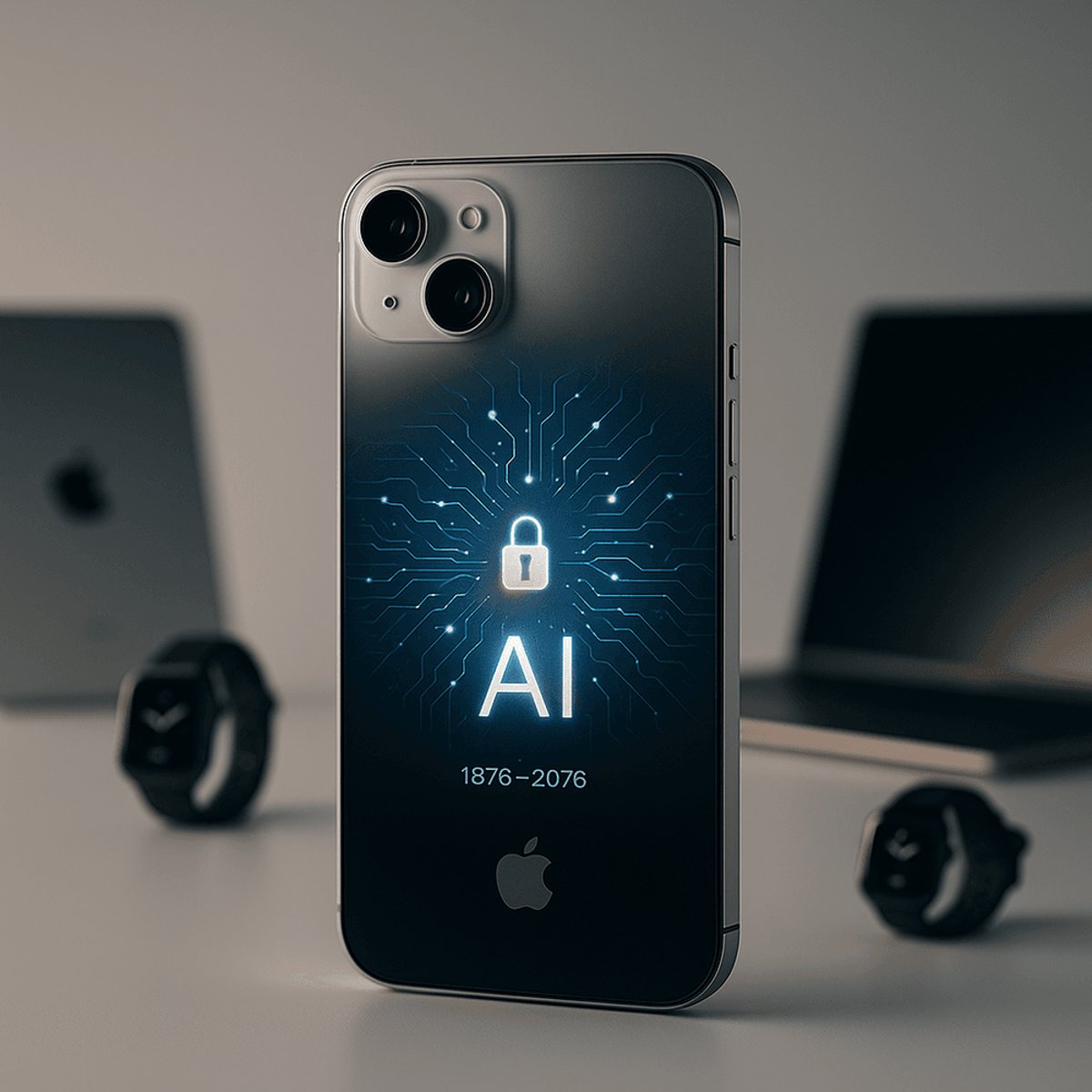
The centerpiece of Apple's next half-century? The same device that defined its last two decades. Despite the explosion of AI assistants, chatbots, and speculation about post-smartphone computing, Apple remains committed to the iPhone as its primary platform. It's a bold stance at a moment when OpenAI is exploring dedicated AI hardware and Google is embedding Gemini across every surface it can find.
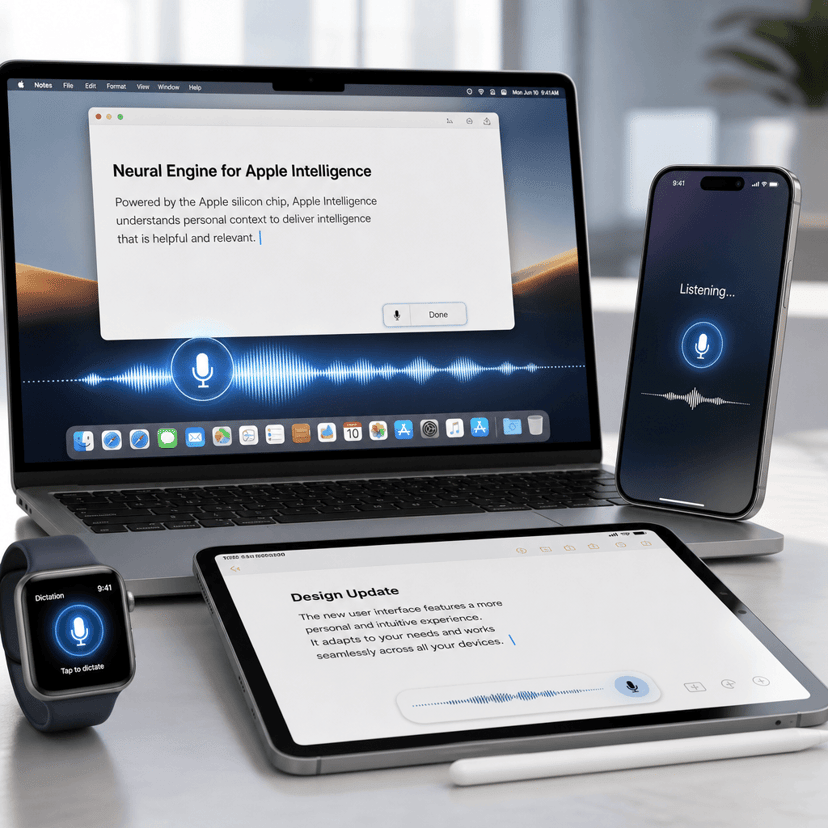
But Apple's not ignoring AI - it's just approaching it differently. While competitors rush to move intelligence into the cloud, Apple continues doubling down on on-device processing. The strategy reflects both the company's longstanding privacy commitments and a calculated bet that consumers will eventually tire of sending their data to distant servers. According to the WIRED interviews, this approach has become central to how Apple thinks about artificial intelligence.
The timing of these interviews matters. Apple's been conspicuously quiet as the AI boom accelerated over the past two years. While Microsoft poured billions into OpenAI and Google scrambled to compete with Gemini, Apple stuck to incremental Siri improvements and vague promises about machine learning. Critics wondered if the company that revolutionized personal computing had missed the next revolution entirely.
These executive conversations suggest otherwise. Rather than chasing the chatbot trend, Apple's been building AI infrastructure that leverages its unique advantages - the tight integration between chips, operating systems, and services that only Apple controls end-to-end. It's the same playbook that made the iPhone dominant, just applied to large language models and generative AI.
The 50-year milestone also provides perspective on Apple's evolution. The company that started selling hobbyist computer kits now sits atop a $3 trillion market cap, with an ecosystem spanning devices, services, and content. The iPhone alone generates more annual revenue than most Fortune 500 companies post in total. Yet Apple's executives are clearly thinking about what comes after - even if they believe that 'after' still involves selling iPhones when the company turns 100 in 2076.
What's striking about the WIRED piece is what it reveals about Apple's institutional confidence. While other tech giants pivot frantically to chase AI trends, Apple's betting that its existing strengths - hardware excellence, software polish, privacy positioning - will matter more than being first to market with flashy AI demos. It's a strategy that's worked before, from music players to smartphones to wireless earbuds.
The interviews also underscore how different Apple's AI trajectory looks from competitors. Meta is open-sourcing models to drive adoption. OpenAI is racing to build artificial general intelligence. Google is integrating AI across search, productivity, and cloud services. Apple's playing a different game entirely - one focused on making AI useful within the devices people already carry, without sending their personal data anywhere.
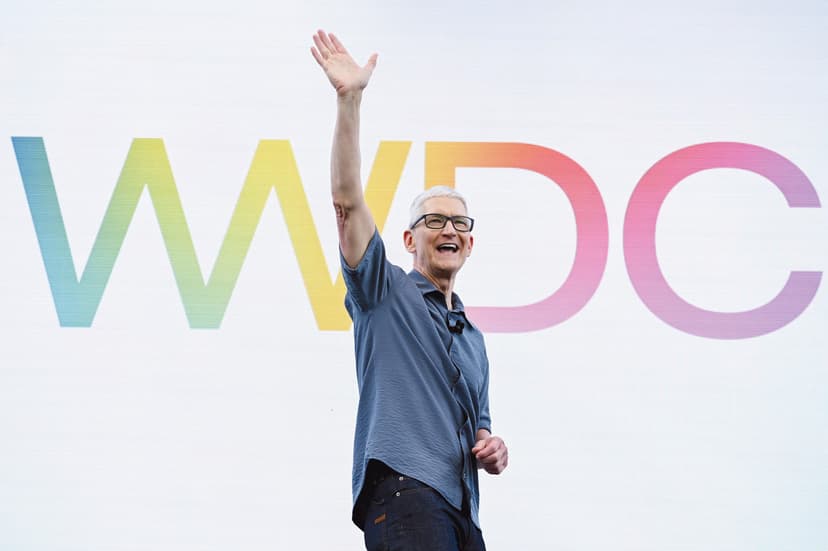
For investors and industry watchers, these conversations provide rare insight into Apple's strategic thinking. The company famously operates in secrecy, revealing products only when they're ready to ship. Getting executives to discuss long-term vision - especially around something as uncertain as AI's future - represents a significant departure from standard practice. It suggests Apple wants to shape the narrative around its AI ambitions before others define it as a laggard.
The question now is whether Apple's approach will resonate with consumers and developers. On-device AI offers privacy and speed advantages, but it also limits model size and capability. Cloud-based systems can leverage massive computing power that no phone can match. Apple's betting that most people care more about protecting their data than accessing the absolute cutting edge of AI capability. It's a gamble informed by 50 years of making similar bets - and usually winning.
Apple's 50th anniversary interviews reveal a company that's neither panicking about AI nor ignoring it. Instead, executives are doubling down on the integrated approach that's defined Apple's success - building AI that works seamlessly within the devices and ecosystem it already controls. Whether that strategy positions Apple to win the next 50 years remains uncertain, but the bet reflects institutional confidence earned over five decades of navigating technological shifts. As the AI era unfolds, Apple's gambling that privacy, polish, and on-device intelligence will matter more than being first with flashy demos. It's a contrarian position in a market obsessed with cloud-based models, but contrarian bets have served Apple well before.