Apple just pushed back its long-awaited smart home display hub to Spring 2026 and set an aggressive $350 price point that puts it 59% above Amazon's competition. The delay stems from complications with Siri's AI overhaul, forcing the company to abandon its original March 2025 timeline while maintaining premium pricing that matches the original HomePod launch cost.
Apple's smart home ambitions just hit another speed bump, but the company isn't backing down on premium pricing. The tech giant has pushed its highly anticipated smart home display hub to Spring 2026 while maintaining a $350 price target that puts serious pressure on Amazon's Echo ecosystem dominance. According to Bloomberg's Mark Gurman, the delay stems from ongoing complications with Siri's AI transformation - the same AI overhaul that's been reshaping Apple's entire voice assistant strategy.
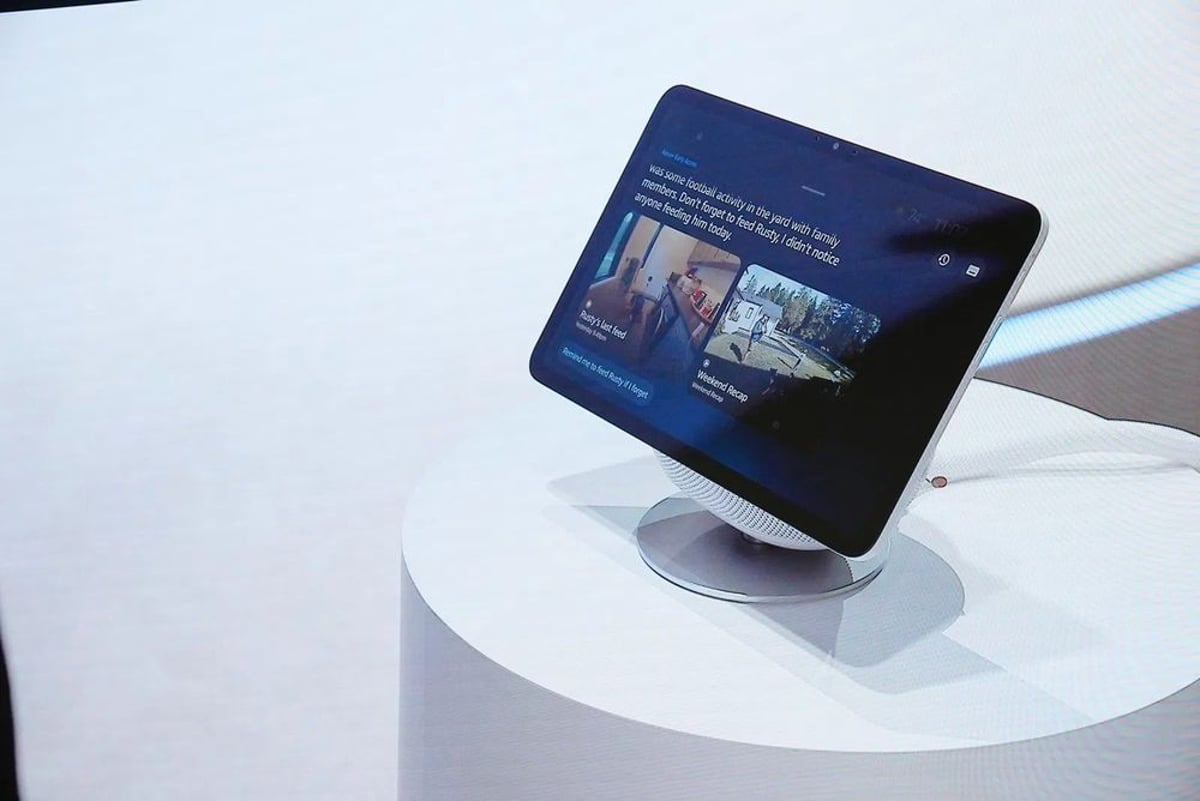
The $350 price point isn't arbitrary. It matches exactly what Apple charged for the original HomePod back in 2018, signaling the company views this as a flagship home product rather than a budget smart display. But that premium positioning creates immediate market friction. Amazon's Echo Show 11, currently priced at $220, offers an 11-inch display compared to Apple's planned 7-inch screen, making the value proposition challenging even for Apple loyalists.
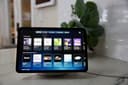
Two distinct versions are in development, though Gurman's report leaves pricing details murky. The tabletop model resembles a HomePod mini that sprouted a touchscreen, while a wall-mounted variant targets more permanent installations. The ambiguity around which device commands the $350 price suggests Apple might be testing multiple pricing strategies as it watches market reaction to these early leaks.
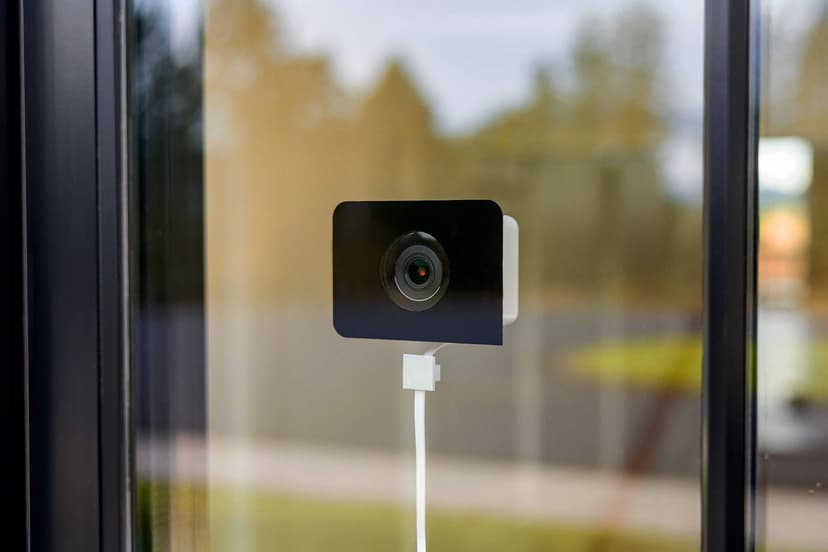
The production story reveals Apple's continued supply chain diversification efforts. Vietnamese assembly lines will handle the smart displays alongside Apple's upcoming indoor security camera and that mysterious tabletop robot that keeps appearing in Apple rumors. Chinese vehicle manufacturer BYD has secured the manufacturing contract for both the hub and robot, marking an interesting partnership between the electric vehicle specialist and Apple's hardware ambitions.
This isn't the first delay for Apple's smart home push. The company originally targeted March 2025 for the hub launch, but Siri's AI transformation has proven more complex than anticipated. Apple's been rebuilding its voice assistant from the ground up, incorporating large language models and more conversational capabilities that should eventually rival what users expect from ChatGPT or Google Assistant.
The smart home display market has become increasingly crowded since Amazon pioneered the category with the original Echo Show. Google's Nest Hub series offers competitive pricing, while newer entrants like Meta's Portal devices (though discontinued) and various Android-based alternatives have kept pressure on both features and cost. Apple's late entry means it needs compelling differentiation beyond just ecosystem integration.
Early reports suggest the Apple hub will lean heavily on HomeKit integration and serve as a central command center for Matter-compatible devices. The company's bet seems to be that users will pay premium prices for seamless iOS integration, superior build quality, and eventually, more sophisticated AI capabilities once the Siri overhaul completes.
The delay also affects Apple's broader smart home ecosystem rollout. The indoor security camera and tabletop robot were expected to launch alongside the display hub, creating a coordinated product family that could challenge Amazon's Alexa-powered device portfolio. Now those products face their own potential delays as Apple works through the AI integration challenges.
Market analysts see this as Apple playing catch-up in a category where Amazon has had nearly a decade head start. The Echo Show family has evolved through multiple generations, with Amazon using aggressive pricing to build market share while collecting valuable user data. Apple's premium pricing strategy worked for iPhones and AirPods, but smart home displays occupy a different psychological spending category for most consumers.
Apple's Spring 2026 timeline and $350 pricing strategy reveal a company betting on premium positioning over market share in smart home displays. The delay gives Apple more time to perfect Siri's AI capabilities, but it also allows Amazon and Google to further entrench their ecosystems. Success will ultimately depend on whether Apple can deliver enough unique value through iOS integration and build quality to justify the 59% price premium over established competitors. The Vietnamese production partnership with BYD also signals Apple's continued efforts to diversify manufacturing beyond China, making this launch about more than just smart home market share.