Apple slipped a significant upgrade into its iOS 27 announcement at WWDC that most attendees overlooked: support for Channel Sounding, the precision tracking technology built into Bluetooth 6.3. While the feature promises more accurate location tracking for accessories and devices, there's a catch that'll frustrate iPhone users hoping for an immediate upgrade to their existing gadgets.
Apple just added a quiet but potentially significant feature to iOS 27 that could reshape how iPhones track accessories, but don't expect to use it right away. Buried in the company's WWDC 2026 announcements was support for Channel Sounding, a precision tracking technology that's part of the Bluetooth 6.3 specification.
The timing reveals Apple's typical hardware-software strategy. By building Channel Sounding support into iOS 27 now, the company's laying groundwork for a new generation of accessories that haven't hit the market yet. The catch? Your current AirTags, headphones, and other Bluetooth devices won't suddenly get more accurate - they'll need Bluetooth 6.3 chips to take advantage of the feature.
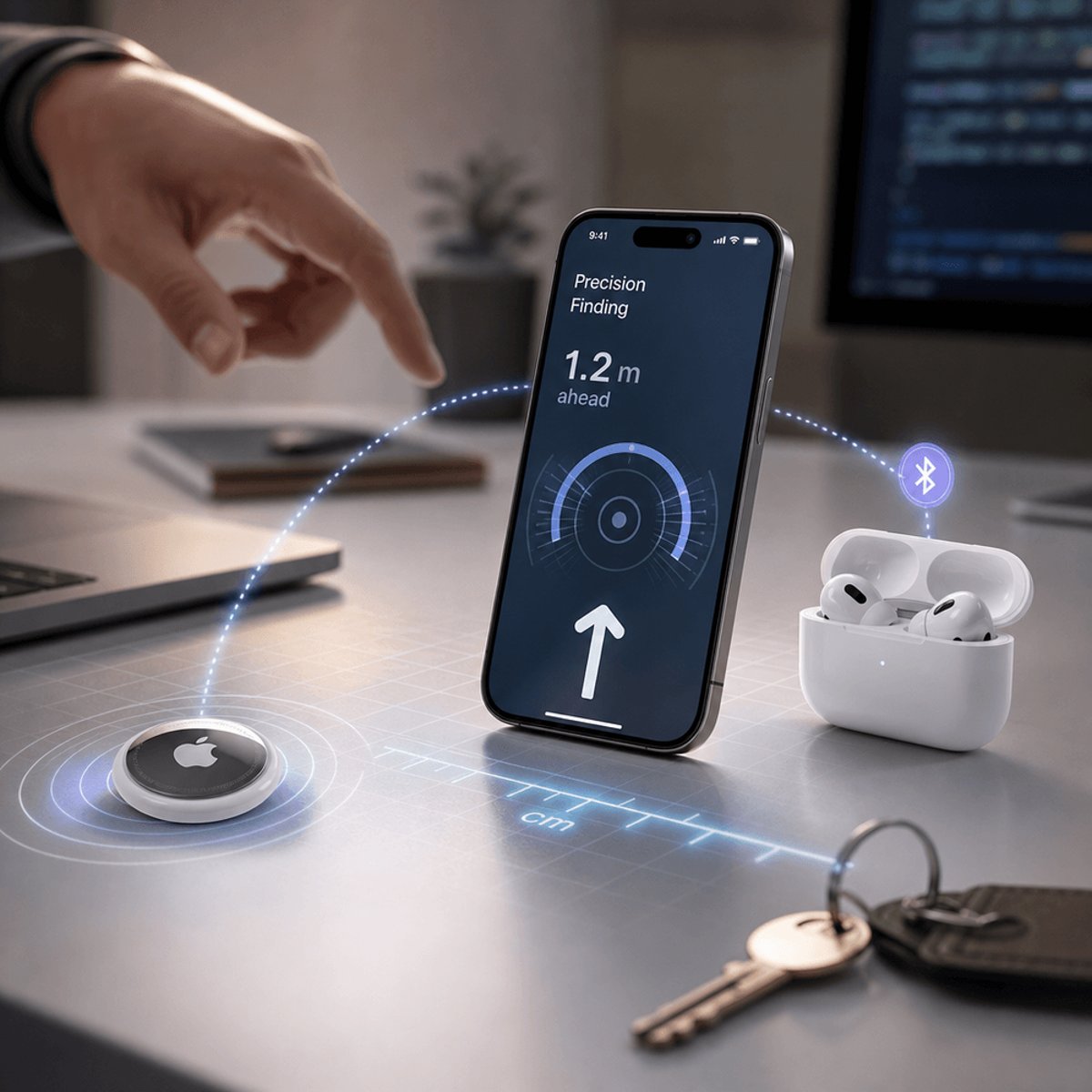
Channel Sounding represents a meaningful upgrade over current Bluetooth tracking methods. The technology uses phase-based ranging to calculate distance and direction with centimeter-level accuracy, compared to the meter-level precision of existing Bluetooth Low Energy systems. For Apple, this could mean dramatically improved Find My network capabilities and more reliable spatial tracking for accessories.
The low-key announcement style is telling. While Apple devoted significant WWDC stage time to AI features and app updates, Channel Sounding got relegated to technical documentation and developer sessions. That suggests the company views this as infrastructure rather than a consumer-facing headline feature - at least until new hardware arrives to demonstrate its capabilities.
Bluetooth 6.3 devices remain scarce across the industry. The specification only recently gained traction, and manufacturers are still ramping up production of compatible chips. This creates a chicken-and-egg problem: iOS 27 will support Channel Sounding, but users won't see benefits until they buy new accessories, and accessory makers won't rush production until the installed base of compatible phones grows.
Apple's competitors face the same hardware dependency. Google and Samsung have discussed Bluetooth 6.3 support, but neither has shipped devices at scale yet. The technology requires new radio hardware that can't be added through software updates to existing products.
The practical implications won't materialize until Apple's fall hardware event. If the company ships iPhone models with Bluetooth 6.3 radios - likely branding them as iPhone 16 or whatever nomenclature fits the 2026 lineup - the Channel Sounding infrastructure in iOS 27 will suddenly make sense. That would enable a new generation of AirTags, possibly updated AirPods, and third-party accessories with unprecedented tracking precision.
For developers, the iOS 27 support provides a runway to build apps that leverage Channel Sounding before hardware becomes widespread. Apple's developer documentation indicates the feature will integrate with the existing Core Location and Nearby Interaction frameworks, making it relatively straightforward for app makers to adopt once compatible devices ship.
The understated rollout mirrors how Apple has historically introduced enabling technologies. Ultra Wideband support appeared in iOS before AirTags launched. Spatial audio frameworks arrived before AirPods supported them. Channel Sounding follows the same playbook - software first, hardware to follow, then consumer marketing when both pieces align.
What remains unclear is whether Apple will require Bluetooth 6.3 hardware in iPhones themselves or only in accessories. The company could potentially support Channel Sounding as a receive-only feature on current iPhone models, though that seems unlikely given the radio requirements. More probably, this feature waits until fall 2026 when new iPhones ship with the necessary components.
Apple's iOS 27 Channel Sounding support is classic infrastructure play - enabling technology today that won't deliver user benefits until compatible hardware ships later this year. iPhone users looking for better accessory tracking will need to wait for both iOS 27's fall release and new Bluetooth 6.3 devices before experiencing the promised precision improvements. The real question isn't whether the technology works, but whether Apple's accessory ecosystem will adopt it quickly enough to justify the quiet WWDC announcement.