Apple is accelerating its OLED rollout beyond the iPad Pro, with the iPad Mini getting upgraded displays as early as 2026 - but it'll cost consumers up to $100 more. The move signals Apple's broader strategy to bring premium display technology across its entire tablet and laptop lineup, though some devices won't see the upgrade until 2028.
Apple just mapped out its OLED future, and it's going to hit your wallet before it hits every device. The company's planning a systematic rollout of upgraded displays across its tablet and laptop lines, starting with a pricier iPad Mini next year.
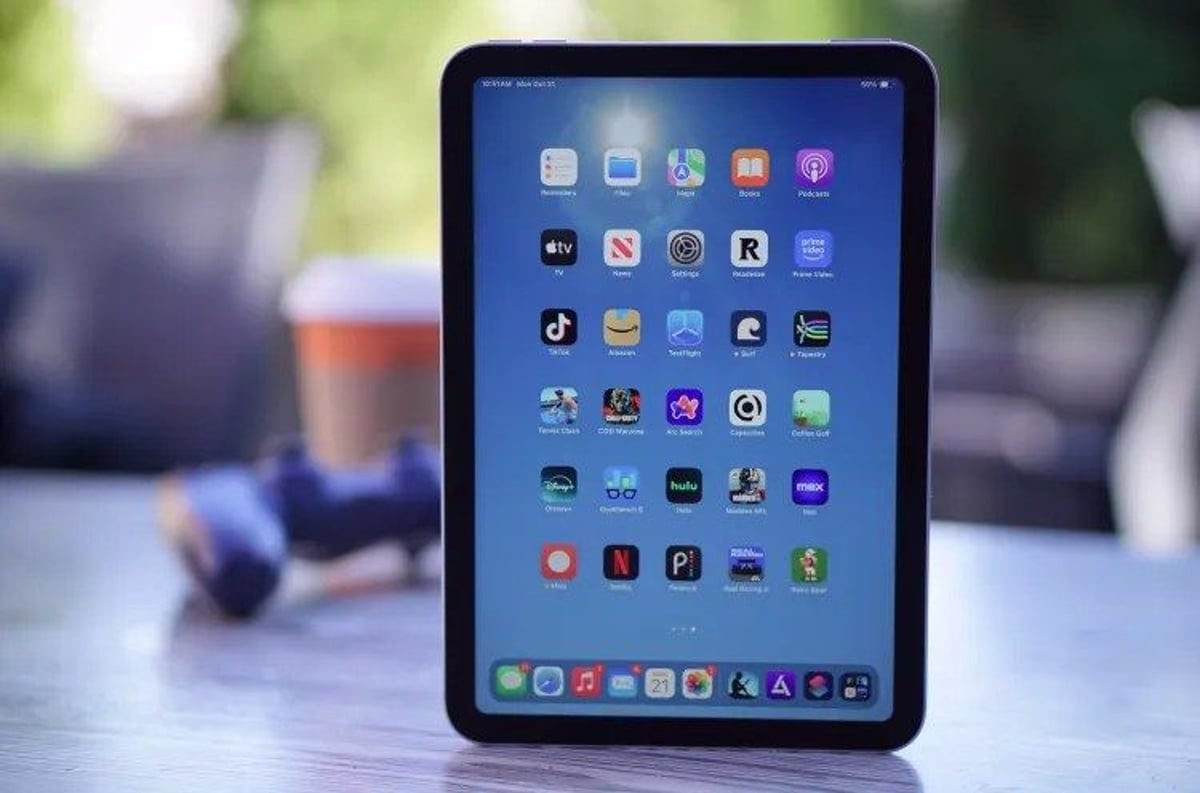
The iPad Mini will be first up for the OLED treatment in 2026, but consumers should expect to pay up to $100 more for the privilege, according to Bloomberg's Mark Gurman. That's a significant jump for a device that currently starts at $499, potentially pushing the base model toward $600.
This pricing strategy isn't surprising given Apple's track record. The company already demonstrated the premium it places on OLED technology when it launched the M4 iPad Pro earlier this year, followed by the M5 model this month. Those devices showcase what OLED brings to the table - dramatically improved brightness, deeper contrast ratios, and the true blacks that make content pop.
But Apple's OLED ambitions extend far beyond tablets. The company's planning to bring the display technology to its MacBook lineup, though that transformation will take years to complete. An OLED-equipped MacBook Air "isn't likely" to arrive before 2028, Gurman reports, giving Apple time to work through the technical and cost challenges of scaling OLED production for larger screens.
The staggered rollout reveals Apple's calculated approach to premium technology adoption. By starting with the iPad Mini - a device with a smaller, more manageable 8.3-inch display - Apple can test market acceptance of higher OLED pricing while refining its supply chain partnerships.
Meanwhile, the iPad Air will apparently be last in line for the OLED upgrade, according to Gurman's sources. That decision likely reflects the device's position as Apple's volume tablet, where cost considerations weigh more heavily than cutting-edge display tech.
The most intriguing development might be the rumored touchscreen MacBook Pro with OLED, potentially arriving in late 2026 or early 2027. Previous reports suggest Apple is experimenting with touch functionality on its high-end laptops, breaking from years of resistance to the concept.
This OLED expansion comes at a critical time for Apple. The company's facing increased competition from Windows laptops with OLED displays, while tablet rivals like Samsung have long offered OLED screens across their lineups. Apple's methodical approach prioritizes quality and margins over speed to market, but it risks falling behind in display technology perception.
The timeline also suggests Apple's working through significant supply chain challenges. OLED panels require different manufacturing processes than traditional LCD screens, and scaling production for Apple's volumes takes time. The company's partnerships with display manufacturers like Samsung and LG will be crucial to meeting these ambitious rollout plans.
For consumers, the message is clear: better displays are coming, but they'll cost more. The iPad Mini's $100 price increase could set the precedent for similar jumps across other devices as they transition to OLED. That's a bitter pill for buyers who've watched tablet prices creep upward over the past few years.
The competitive implications are significant too. As Apple moves its entire ecosystem toward OLED, it's betting that superior display quality will justify premium pricing. But rivals aren't standing still - they're already shipping OLED devices at various price points, potentially making Apple's eventual offerings seem late to the party despite their technical excellence.
Apple's systematic OLED rollout represents both opportunity and challenge. While consumers will get dramatically better displays across the company's device lineup, they'll pay premium prices for the privilege. The staggered timeline through 2028 gives Apple room to refine the technology and manage costs, but it also risks ceding display leadership to competitors who are moving faster. For Apple, success will depend on whether consumers believe OLED quality justifies the price increases - a bet the company has won before with other premium features.