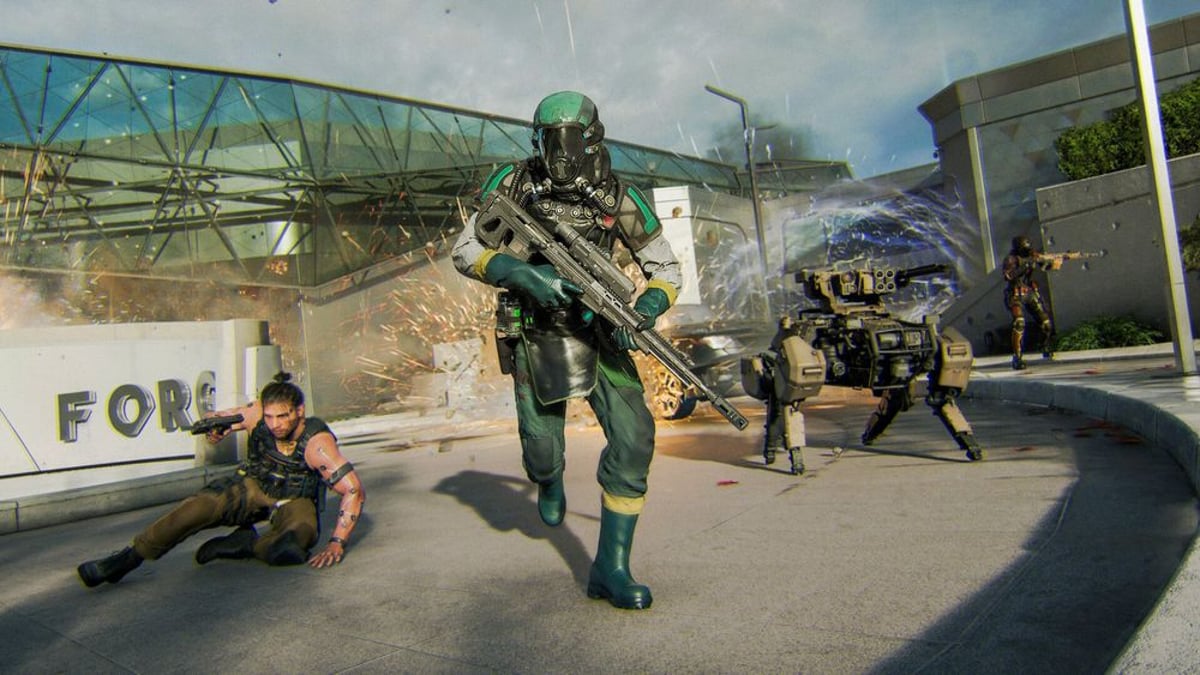
Activision is shaking up Call of Duty's release strategy after Black Ops 7's disappointing European launch sparked concerns about franchise fatigue. The gaming giant announced it won't release back-to-back Modern Warfare or Black Ops titles anymore, promising "absolutely unique experiences" annually instead. The move comes as the series faces its strongest competition in years from Battlefield 6 and Arc Raiders.
The Call of Duty empire is changing course. Activision just announced it's ending the back-to-back release pattern that's defined the franchise for the past four years, signaling a major shift in how gaming's biggest shooter series approaches annual releases.
The decision comes after Black Ops 7's lukewarm reception last month. The game landed with mixed reviews globally and faced what The Game Business called a "disappointing launch" across European markets. Even before release, Treyarch Senior Director Yale Miller was sounding alarm bells, telling CharlieIntel he worried fans would see Black Ops 6 and 7 as too similar.
That pattern of consecutive sub-franchise releases - Modern Warfare II (2022), Modern Warfare III (2023), Black Ops 6 (2024), and Black Ops 7 (2025) - is now officially over. "We will drive innovation that is meaningful, not incremental," Activision stated in Tuesday's blog post, though the company isn't revealing specifics about what comes next.
The timing isn't coincidental. Call of Duty is facing its most serious competitive threat in years. EA's Battlefield 6 exploded out of the gate with more than 7 million copies sold in just three days, quickly earning EA's crown as the "best selling shooter game of the year." Meanwhile, the surprise hit Arc Raiders has moved over 4 million copies, proving there's appetite for fresh takes on the shooter formula.
For Microsoft, which acquired Activision Blizzard King for $68.7 billion in 2023, this strategic pivot represents both risk and opportunity. The annual Call of Duty cycle has been a reliable cash machine, but Miller's franchise fatigue concerns echo broader industry discussions about sustainability versus innovation.
The company's messaging suggests they're betting on quality over quantity, promising the "next era" will "deliver precisely on what you want along with some surprises that push the franchise and the genre forward." It's corporate speak, but coming from a studio that's watched competitors gain serious ground, the stakes feel real.
What's particularly interesting is how this affects the broader shooter landscape. With Call of Duty stepping back from its rapid-fire sub-franchise approach, there's suddenly more breathing room for competitors. Battlefield's strong showing and Arc Raiders' unexpected success suggest players are hungry for alternatives to the annual grind.
Activision's development teams - Infinity Ward, Treyarch, and Sledgehammer Games - have been on a three-year rotation that allowed each studio time to craft their entries. This new approach might extend those development cycles even further, potentially giving teams space to take bigger creative swings.
The question now is whether Activision can maintain Call of Duty's cultural momentum with less predictable release patterns. The franchise has thrived on being an annual event, but if Black Ops 7's reception is any indication, that predictability might have become a liability rather than an asset.
Activision's strategy shift represents a broader gaming industry trend toward sustainable development over annual sequels. With stronger competition than ever and clear signs of franchise fatigue, the company is betting that fewer, more innovative releases will serve both developers and players better. The real test comes next year when we see what this "absolutely unique experience" promise actually delivers - and whether Call of Duty can maintain its dominance with a less predictable release schedule.