Rockstar Games just dropped a bombshell trailer for Grand Theft Auto Online's latest expansion that hits uncomfortably close to home. The "A Safehouse in the Hills" DLC features fictional KnoWay robotaxis - thinly veiled Waymo parodies - that wreak havoc across Los Santos while players battle a "mass surveillance network." The timing couldn't be more pointed, arriving as real-world tensions over robotaxi vandalism and privacy concerns reach new heights.
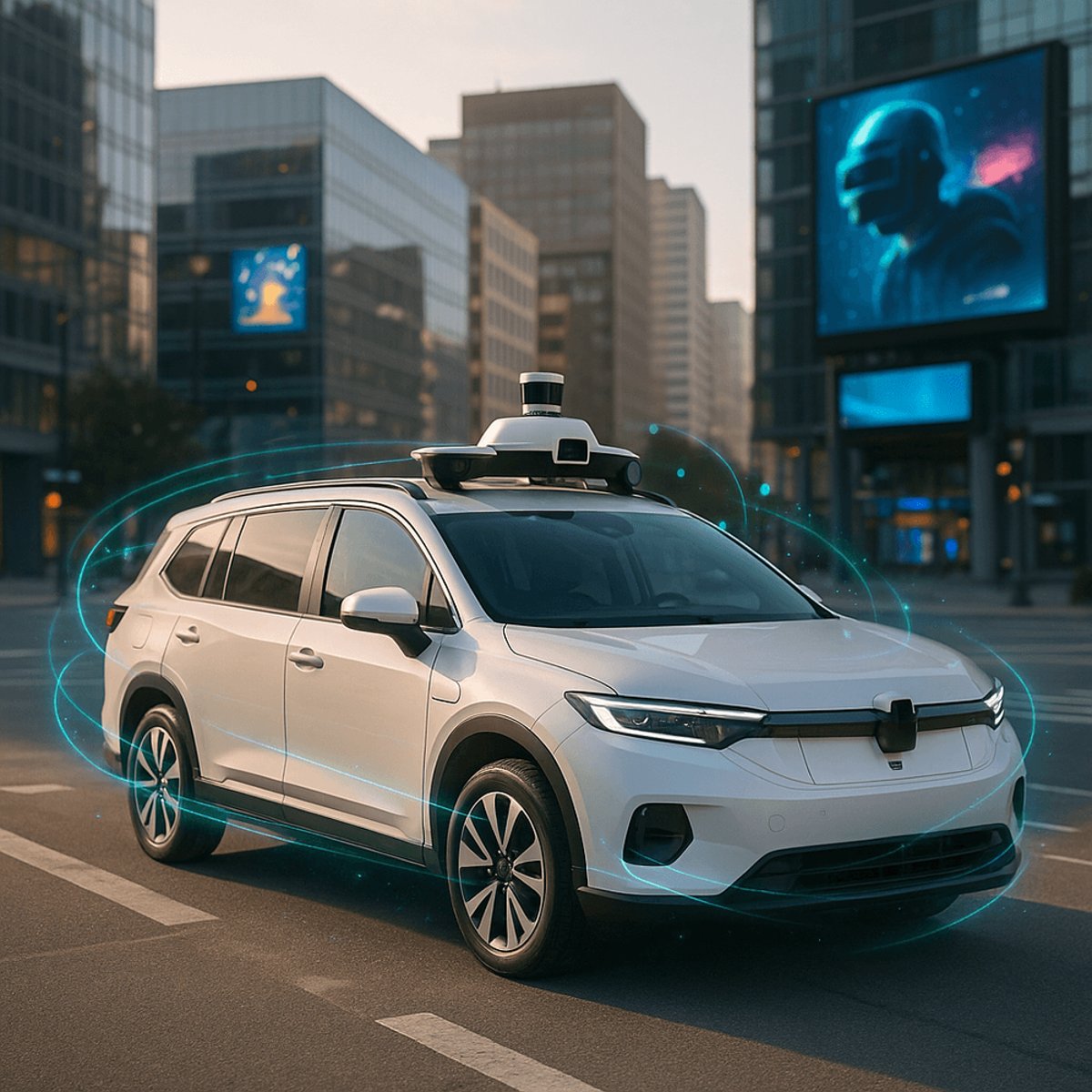
Rockstar Games has never shied away from satirizing Silicon Valley, but their latest Grand Theft Auto Online expansion feels like it was ripped from today's headlines. The "A Safehouse in the Hills" DLC, launching December 10, introduces KnoWay - a fictional autonomous taxi service whose vehicles look suspiciously like Waymo's early Chrysler Pacifica fleet, complete with lidar sensors mounted on top.
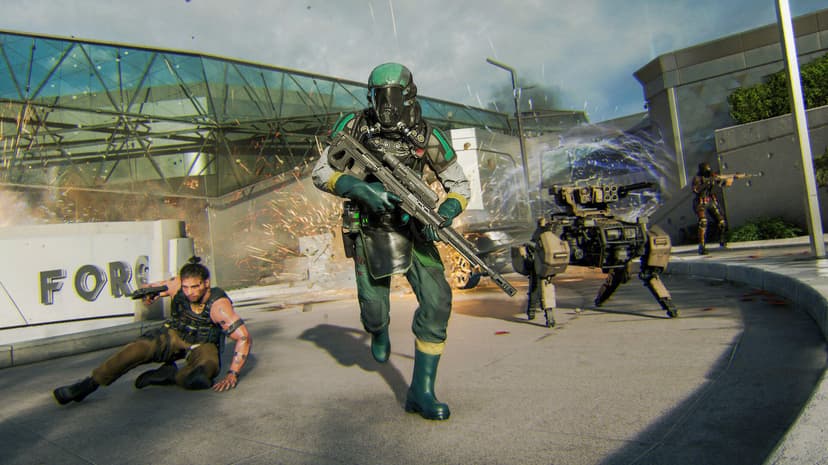
But here's where things get interesting. The trailer released Friday shows these KnoWay vans doing everything real robotaxis aren't supposed to do - swerving through traffic, smashing into other vehicles, and literally crashing through the company's own billboard. It's peak Grand Theft Auto chaos, but with an underlying message that's hard to ignore.
Waymo declined to comment on the parody, but the timing speaks volumes. The company's real-world vehicles have become lightning rods for public frustration, with incidents of tire slashing, burning, and vandalism across multiple cities. At TechCrunch Disrupt in October, Waymo co-CEO Tekedra Mawakana addressed the attacks directly, saying the company was "very focused on working with law enforcement" to pursue vandals.
Rockstar's fictional take taps into the same anxieties that fuel real-world hostility toward autonomous vehicles. The KnoWay tagline - "We Kno where you're going" - isn't subtle about privacy concerns that have dogged the entire robotaxi industry. While Waymo has pledged to deny "overly broad and unlawful" government data requests, critics argue that the vehicles' constant recording creates an inevitable surveillance infrastructure.
The DLC's storyline promises players will "stop the development of a mass surveillance network in an all-new action packed adventure," complete with an AI assistant character named Haviland. It's a narrative that lets players act out the same frustrations that have led to real-world attacks on autonomous vehicles, but in a consequence-free virtual environment.
What makes this particularly sharp is how Rockstar captures the visual language of modern robotaxis. The KnoWay vans mirror Waymo's distinctive sensor arrays and boxy design, making the connection unmistakable to anyone who's seen these vehicles on San Francisco or Phoenix streets. The fictional company even adopts the same tech-speak marketing language, promising an "autonomous hailing system" that sounds lifted from actual startup pitch decks.
The expansion arrives as the autonomous vehicle industry faces mounting scrutiny over safety and privacy. Beyond vandalism, robotaxis have drawn criticism for their handling of emergency situations, data collection practices, and impact on traditional taxi drivers. Rockstar's satire gives voice to these concerns through the medium they know best - letting players blow things up.
Whether this parody will influence public perception of real robotaxis remains to be seen. But it's clear that Rockstar Games sees autonomous vehicles as ripe for the same treatment they've given to social media, tech billionaires, and other Silicon Valley targets in previous updates. The fact that they're framing it as a fight against surveillance suggests they're tapping into genuine public unease about where this technology is heading.
Rockstar's KnoWay parody isn't just clever satire - it's a mirror reflecting real anxieties about surveillance, privacy, and the power of tech companies to reshape our cities. By letting players fight back against fictional robotaxis, the game taps into the same frustrations that drive real-world vandalism against Waymo vehicles. Whether this virtual outlet helps or hurts public perception of autonomous vehicles, one thing's clear: the cultural conversation around robotaxis has moved far beyond tech circles and into mainstream entertainment.