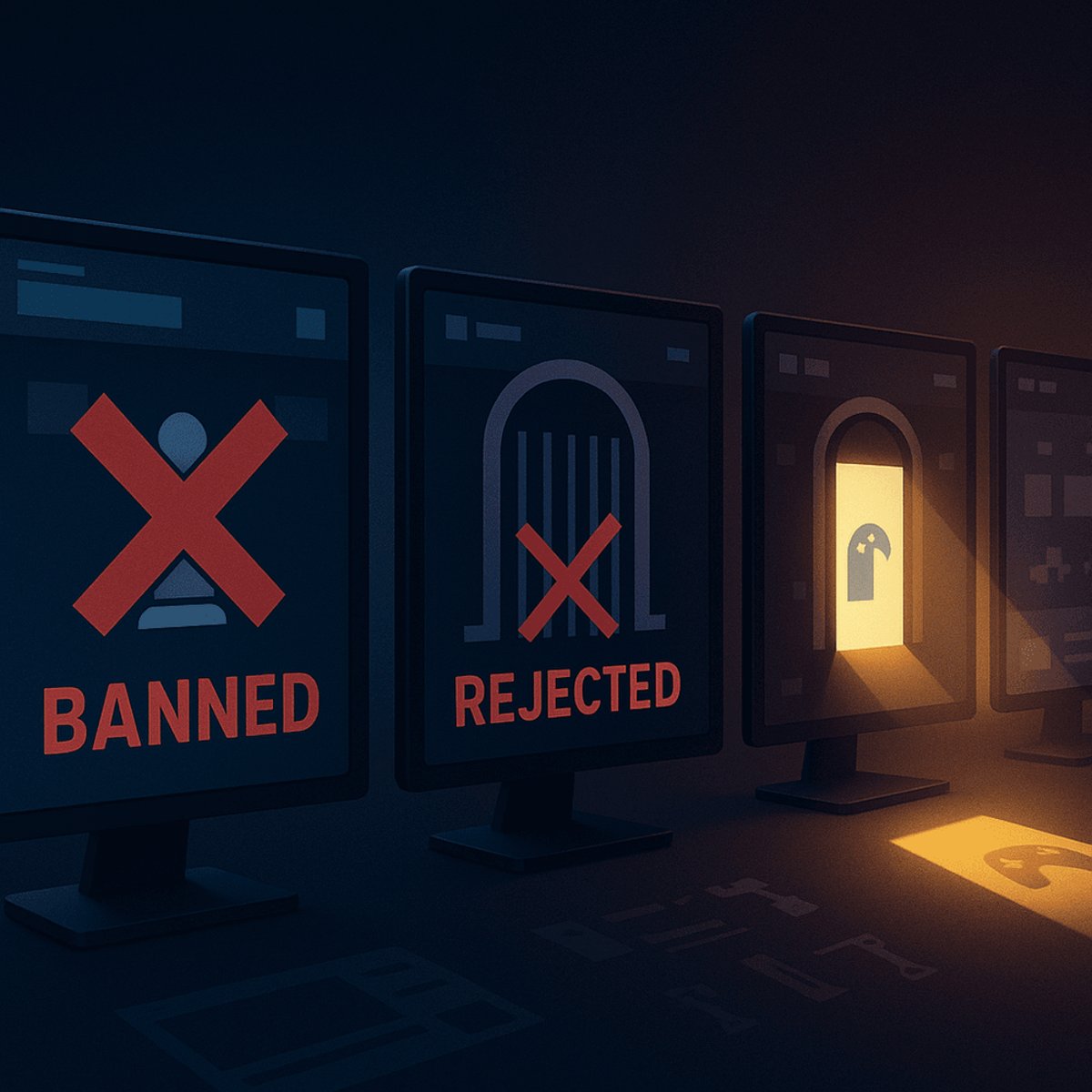
The indie horror game 'Horses' has become a surprise bestseller on GOG after being banned from Steam, Epic Games Store, and temporarily removed from Humble Bundle. The platform rejections, which came just hours before the game's December 2 launch, have ignited a fierce debate about creative freedom in gaming and the power of distribution platforms to make or break small developers.
The gaming industry just witnessed what happens when platform censorship meets the Streisand effect, and the results are shaking up conversations about creative freedom in games. 'Horses,' a controversial horror game by indie developer Santa Ragione, has become an unexpected hit after being banned from major distribution platforms just hours before its launch.
The drama began when Steam rejected an early version of the game two years ago with little explanation, according to Santa Ragione's own account. Then, in a coordinated move that caught everyone off guard, the Epic Games Store banned 'Horses' just hours before its December 2 release. The Humble Bundle store followed suit initially, though they later quietly relisted it.
But the bans have spectacularly backfired. On GOG, where the game remains available, 'Horses' has climbed to become a top seller, proving that sometimes controversy sells better than any marketing campaign.
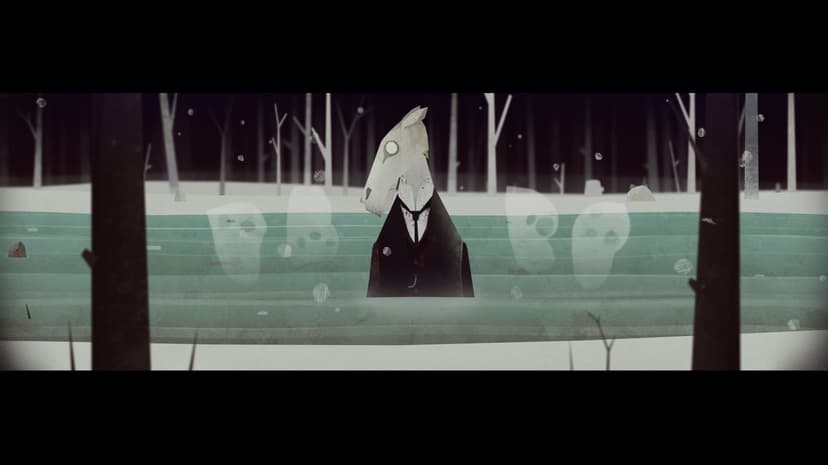
The game itself deals with dark themes of subjugation and abuse, featuring characters who are dehumanized and forced into slavery-like conditions on a farm. While the content includes mature themes and pixelated nudity, critics note that it's received a standard Mature rating and contains no actual graphic nudity.
"Developers shouldn't have to compromise their creative vision, but we also have to acknowledge that games exist within capitalist structures where access to platforms determines livelihood," Jakin Vela, executive director of the International Game Developers Association, told Wired in response to the controversy.
The timing of these bans is particularly striking. This year has seen a broader crackdown on adult content in gaming, with platforms like Steam and Itch.io pulling down NSFW games in July, sparking ongoing debates about creative rights in the industry.
What makes the 'Horses' situation unique is how the game's artistic merit has become secondary to the censorship debate. Critics writing for outlets like Wired argue that while the game deserves to exist free from censorship, it also deserves honest criticism about its storytelling and treatment of sensitive subjects.
The controversy reveals a deeper structural problem in gaming. "We should be concerned whenever a system allows a creator's livelihood to be cut off without transparency or recourse," Vela explains. The video game industry's consolidation means a handful of platforms control access to the vast majority of players, creating what he calls "a structural issue."
For Santa Ragione, the unexpected sales surge on GOG might provide a lifeline, but it also highlights how precarious indie development has become. The studio's future shouldn't depend on navigating the arbitrary content policies of major platforms, yet that's exactly the reality facing small developers today.
The 'Horses' saga is becoming a case study in unintended consequences. While the game's supporters rally around creative freedom, and critics debate its artistic merits, the real winner might be platform diversity. GOG's willingness to host the game when others wouldn't has suddenly made it the go-to destination for players who want to support artistic expression in gaming.
Whether this translates into long-term change for how platforms handle controversial content remains to be seen. But one thing is clear - the gaming community has shown it won't simply accept censorship without pushing back, and sometimes that pushback comes with a purchase.
The 'Horses' controversy exposes the double-edged sword of platform power in gaming. While the bans have ironically boosted the game's sales and brought attention to censorship issues, they've also shown how easily a small developer's livelihood can be disrupted by opaque platform policies. The real test will be whether this sparks meaningful change in how platforms handle controversial content, or if it remains just another flash point in the ongoing battle over creative freedom in games.