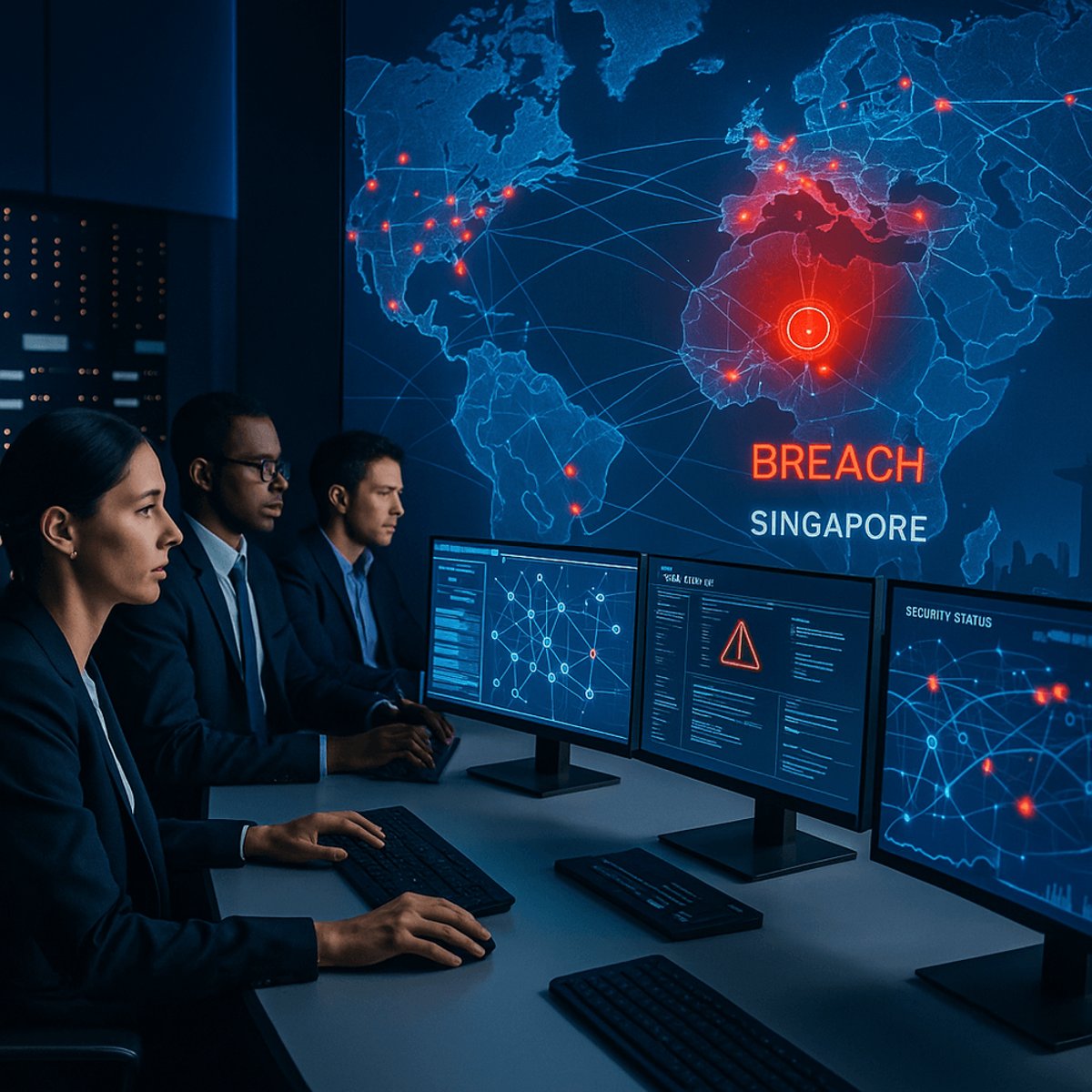
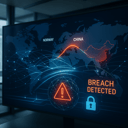
Singapore just confirmed what cybersecurity experts feared: China-backed hackers successfully infiltrated the country's four largest telecommunications providers. The Singaporean government disclosed today that the attackers, linked to the notorious Salt Typhoon group, gained "limited access to critical systems" but stopped short of disrupting services or stealing customer data. The breach marks another escalation in a growing pattern of state-sponsored attacks targeting telecom infrastructure across Asia and beyond.
Singapore's telecommunications sector just became the latest target in an expanding wave of Chinese state-sponsored cyberattacks. The city-state's government confirmed today that hackers linked to the Salt Typhoon group penetrated systems at all four of its major telecom operators, though officials insist the damage was contained.
The admission comes as governments worldwide grapple with increasingly sophisticated nation-state cyber campaigns. According to the official statement, the attackers gained "limited access to critical systems" but were prevented from disrupting telecommunications services or exfiltrating customer data. Singapore's four largest carriers - Singtel, StarHub, M1, and TPG Telecom - collectively serve the nation's entire 5.9 million population.
What makes this breach particularly concerning is the target selection. Telecommunications infrastructure represents critical national infrastructure, carrying everything from government communications to financial transactions. The fact that all four major operators were compromised suggests a coordinated, well-resourced operation with strategic objectives beyond simple data theft.
Salt Typhoon has emerged as one of the most active Chinese state-sponsored hacking groups over the past year. Cybersecurity firm Mandiant, which has been tracking the group's activities, previously linked Salt Typhoon to breaches of telecommunications providers in the United States and Europe. The group's tactics typically involve exploiting vulnerabilities in network equipment and establishing persistent access for long-term intelligence gathering.
Singapore's Cyber Security Agency worked alongside the telecom operators to detect and respond to the intrusions. The government hasn't disclosed when the breaches occurred or how long the attackers maintained access before being discovered. That timeline matters - even "limited access" to telecom systems can yield valuable intelligence if sustained over weeks or months.
The breach puts Singapore in an uncomfortable position. The financial hub has long maintained careful diplomatic balance between Western allies and China, its largest trading partner. But this incident forces a public acknowledgment of Chinese cyber aggression that officials might have preferred to handle quietly.
For the telecom industry, the Singapore breaches underscore a troubling vulnerability. Modern telecommunications networks are extraordinarily complex, with countless potential entry points. Legacy systems often run alongside newer infrastructure, creating security gaps that sophisticated attackers can exploit. The fact that four separate operators were compromised suggests either common vulnerabilities in widely-used equipment or highly effective reconnaissance by the attackers.
Cybersecurity experts have warned for years about the risks of nation-state actors targeting telecommunications infrastructure. These networks don't just carry phone calls anymore - they're the backbone of digital economies, supporting everything from mobile payments to Internet of Things devices. A successful attack could potentially intercept communications, map network relationships, or position attackers for future disruption.
The Singapore government's relatively measured response - acknowledging the breach while emphasizing limited impact - reflects a careful calibration. Too much alarm could shake public confidence in critical infrastructure. Too little concern might appear negligent. Officials walked that line by confirming the intrusion while stressing that no customer data was compromised and services remained intact.
What remains unclear is what the attackers were actually after. If customer data wasn't the target and services weren't disrupted, the most likely objective was intelligence gathering - mapping network architecture, identifying key systems, or positioning for potential future operations. That kind of reconnaissance is standard practice for nation-state actors establishing cyber capabilities they might leverage later.
The incident arrives as tensions over technology and security continue to reshape the global landscape. Countries are increasingly scrutinizing telecommunications equipment suppliers, particularly Chinese vendors, amid concerns about potential backdoors or vulnerabilities. Singapore's breach demonstrates that threats can materialize regardless of equipment origins if attackers are determined and well-resourced enough.
For Singapore's telecom operators, the breach likely triggers intensive security reviews and potential infrastructure upgrades. The government hasn't indicated whether it will mandate specific security improvements, but the public disclosure creates pressure for visible action. Shareholders and customers alike will want assurance that vulnerabilities have been addressed.
Singapore's confirmation that China-backed hackers breached all four major telecom carriers signals a new phase in nation-state cyber operations targeting critical infrastructure. While officials stress that customer data remained secure and services weren't disrupted, the coordinated nature of the attacks and the strategic value of telecommunications networks suggest this was reconnaissance for potential future operations. As geopolitical tensions continue to play out in cyberspace, the incident serves as a stark reminder that even well-defended systems in technologically advanced nations remain vulnerable to determined state-sponsored actors. What happens next - whether Singapore mandates security upgrades, how other nations respond, and whether attribution leads to diplomatic consequences - will help define the emerging rules of engagement in an increasingly contested digital domain.