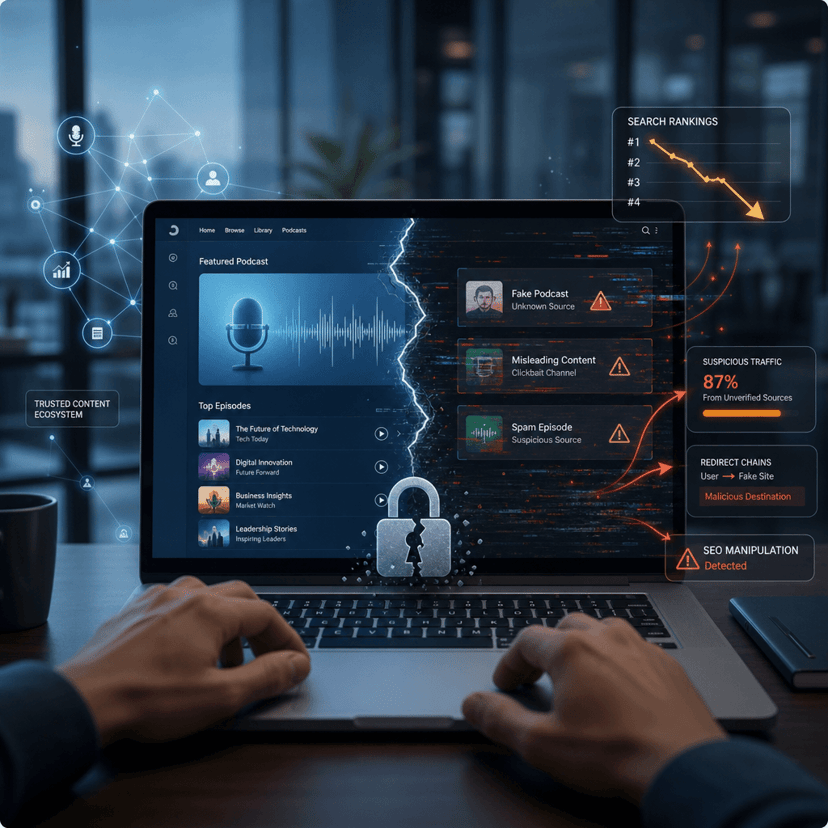
A U.S. military defense contractor has admitted to building sophisticated iPhone hacking tools that were later deployed by Russian espionage operations in Ukraine and Chinese cybercriminals, according to an exclusive TechCrunch investigation. The revelation, which follows Google's discovery of the malware in active operations, raises urgent questions about how American-made cyber weapons ended up in adversarial hands - and whether they leaked, were stolen, or sold through shadowy intermediaries.
Google just dropped a bombshell that's sending shockwaves through the cybersecurity world. The tech giant's threat intelligence team uncovered a series of sophisticated iPhone hacking tools actively deployed by Russian intelligence operatives in Ukraine and a separate Chinese cybercriminal group. But here's the kicker - sources inside a U.S. government defense contractor have now confirmed those tools originated from their own development labs.
The admission, obtained exclusively by TechCrunch, marks a stunning breach in operational security for America's military-industrial complex. It's one thing for nation-state adversaries to develop their own exploits. It's quite another when they're wielding weapons built by U.S. taxpayers for American intelligence operations.
Apple has spent years fortifying the iPhone against exactly these kinds of attacks, touting its hardware security features and encrypted architecture. Yet these tools managed to penetrate those defenses with precision that only comes from deep technical knowledge and substantial resources - the kind typically available to well-funded government contractors.
The discovery ties back to Operation Triangulation, a multi-year espionage campaign that Kaspersky researchers first exposed in 2023. That operation used a chain of zero-day vulnerabilities to compromise iPhones through invisible iMessage exploits, requiring no user interaction whatsoever. Victims simply received a message, and their devices were pwned.
What no one knew until now was where those tools came from. While Kaspersky documented the technical mechanics brilliantly, the origin story remained murky. Google's investigation changed that, identifying code signatures and operational patterns that pointed directly to Western development.
The U.S. defense contractor sources wouldn't speak on the record, and TechCrunch has withheld the company's identity pending further investigation. But the implications are clear: somewhere between the lab and the battlefield, these tools went sideways. Whether through theft, a compromised supply chain, sale to a third party, or something more deliberate remains the central mystery.
This isn't the first time American cyber weapons have boomeranged. The NSA's EternalBlue exploit famously leaked via the Shadow Brokers dump in 2017, later powering the devastating WannaCry and NotPetya ransomware attacks. That incident cost billions globally and prompted serious questions about the risks of stockpiling vulnerabilities.
But this case feels different. EternalBlue was stolen goods, a smash-and-grab on NSA servers. These iPhone tools appear to have transitioned more deliberately into adversarial hands, raising darker questions about the cyber weapons supply chain and who's really controlling these capabilities once they're built.
The timing is particularly sensitive given ongoing tensions over Ukraine and heightened scrutiny of Chinese cyber operations. U.S. officials have spent years warning about Beijing's espionage apparatus and Moscow's hybrid warfare tactics. Discovering that American-made tools are enabling both is politically explosive.
L3Harris, Peter Williams' Trenchant, and other defense contractors have built lucrative businesses developing offensive cyber capabilities for U.S. intelligence agencies. The work happens in classified facilities under strict operational security. Yet this incident proves that even the most carefully guarded tools can escape containment.
Google's Threat Analysis Group deserves credit for connecting the dots. Their researchers reverse-engineered the malware samples, identified the attack vectors, and traced the infrastructure back to known Russian and Chinese threat actors. The technical forensics were impeccable - good enough to trigger alarm bells inside the contractor community.
For Apple, this represents another chapter in the endless cat-and-mouse game of mobile security. The company has patched the specific vulnerabilities exploited in these attacks, but the broader threat remains. As long as nation-states and well-funded contractors are developing iPhone exploits, new zero-days will emerge.
The cybersecurity community is now watching closely for official responses. Will the Pentagon launch an investigation into how contractor-built tools reached adversaries? Will Congress hold hearings on offensive cyber weapon controls? Will Apple demand greater transparency about who's targeting its products?
One thing's certain: the era of plausible deniability around cyber operations just got a lot more complicated. When your own tools show up in enemy hands, the questions get uncomfortable fast.
This revelation forces an overdue reckoning about offensive cyber weapon development and control. When U.S. defense contractors build iPhone exploits powerful enough to penetrate Apple's security in the hands of Russian intelligence and Chinese cybercriminals, the entire premise of controlled cyber capabilities collapses. The national security establishment must now explain how tools developed for American operations ended up targeting American allies in Ukraine. And the tech industry needs to confront the reality that no matter how sophisticated their defenses become, well-resourced adversaries with insider tools will keep finding ways through. The next phase of this story will determine whether the U.S. cyber weapons program can maintain credibility - or whether this leak becomes the catalyst for fundamental reform.