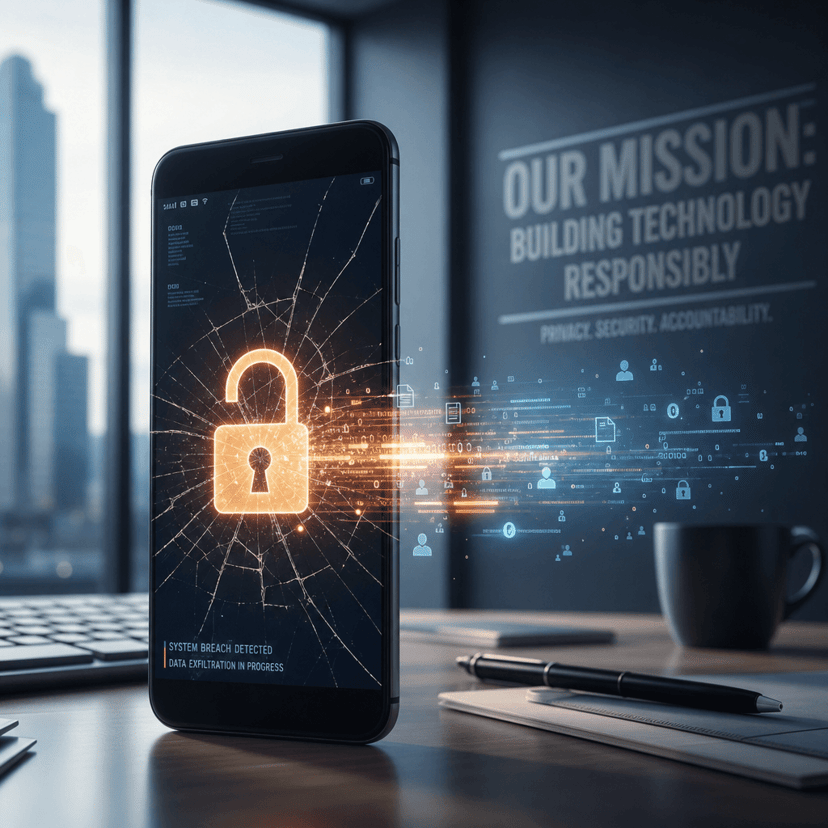
The era of clicking suspicious links to get hacked is over. Today's spyware attacks need zero interaction from victims, exploiting invisible vulnerabilities to compromise phones silently. In response, Apple, Meta, and Google have built special lockdown modes that harden devices against targeted attacks from spyware vendors like NSO Group and Intellexa. According to TechCrunch, these features represent the industry's answer to a threat that's moved from state-sponsored attacks to everyday digital surveillance.
Your phone can be compromised without you doing anything wrong. No suspicious link clicked, no sketchy app downloaded - just silent exploitation of vulnerabilities you didn't know existed. That's the reality of modern spyware, and the biggest tech companies are finally building defenses that match the threat.
Apple, Meta, and Google have each rolled out specialized security modes designed to protect high-risk users from targeted attacks. These aren't your standard antivirus features. They're lockdown modes that fundamentally change how your device operates, closing off the attack vectors that spyware vendors exploit.
The timing matters. Spyware companies like NSO Group, Intellexa, and Paragon Solutions have spent years perfecting zero-click exploits - attacks that compromise devices through invisible vulnerabilities in message handling, image processing, or even wireless protocols. Journalists, activists, politicians, and dissidents have been the primary targets, but the technology's spreading.
Apple's Lockdown Mode, introduced in iOS 16 and refined through subsequent updates, takes the most aggressive approach. When activated, it disables message attachments from unknown senders, blocks most web technologies that could harbor exploits, and restricts incoming FaceTime calls to people you've previously contacted. It's a digital fortress that assumes everything outside is hostile.
The trade-off is real. Websites may not load properly, photos arrive as links instead of previews, and shared albums disappear entirely. But for someone facing genuine spyware threats, these inconveniences beat having their entire digital life compromised. Apple designed this specifically for the small percentage of users under sophisticated attack, not as a mainstream feature.
Meta's approach through WhatsApp focuses on hardening its messaging platform against exploit chains. The company implemented device verification features that alert users when their security code changes with a contact, potentially indicating compromise or surveillance. WhatsApp's end-to-end encryption already provides baseline protection, but these additional modes add layers specifically targeting spyware delivery methods.
Google's Advanced Protection Program extends beyond Android devices to encompass entire Google accounts. It requires physical security keys for login, restricts third-party app access, and enables enhanced safe browsing that blocks more potentially dangerous sites. For Android specifically, Google's working on similar functionality to Apple's Lockdown Mode, though implementation varies across the fragmented Android ecosystem.
What makes these modes necessary is how spyware actually works. Traditional security advice - don't click suspicious links, keep software updated - doesn't help against zero-click exploits. These attacks slip through legitimate channels like iMessage, WhatsApp, or even wireless protocols, exploiting vulnerabilities before patches exist. According to researchers tracking the commercial spyware industry, these exploits can cost millions of dollars each, but they're increasingly available to governments and organizations worldwide.
The NSO Group's Pegasus spyware, probably the most infamous example, has been found on devices belonging to journalists, human rights activists, and political figures across dozens of countries. Intellexa's Predator spyware follows similar patterns. When these tools become commodity products rather than rare intelligence agency capabilities, consumer-grade protections become essential.
Activating these security modes is straightforward, but the decision isn't. For most people, standard security practices remain sufficient. But if you're a journalist covering sensitive topics, an activist working against powerful interests, or someone with genuine reason to fear targeted surveillance, these lockdown modes provide defenses that didn't exist a few years ago.
On iPhone, Lockdown Mode lives in Settings under Privacy & Security. On Android, the exact implementation varies by device manufacturer and Android version, but Google's Advanced Protection represents the umbrella approach. For WhatsApp, the security features appear under Account settings, though Meta continues to enhance these protections as new threats emerge.
The tech industry's creation of these modes acknowledges an uncomfortable reality - normal security measures can't stop determined, well-funded attackers using zero-day exploits. That admission drove the development of features that prioritize security over convenience, functionality over features. It's a different philosophy than the "security that doesn't get in your way" messaging that typically dominates consumer tech.
The availability of lockdown modes from Apple, Meta, and Google marks a significant shift in consumer security strategy - from assuming devices are safe by default to acknowledging that some users face extraordinary threats requiring extraordinary defenses. While most people won't need these features, their existence reflects both the sophistication of modern spyware and the tech industry's recognition that standard protections aren't enough for everyone. As spyware technology continues to proliferate beyond intelligence agencies into commercial markets, these lockdown features may evolve from niche tools for high-risk users into more mainstream options for anyone concerned about digital surveillance.