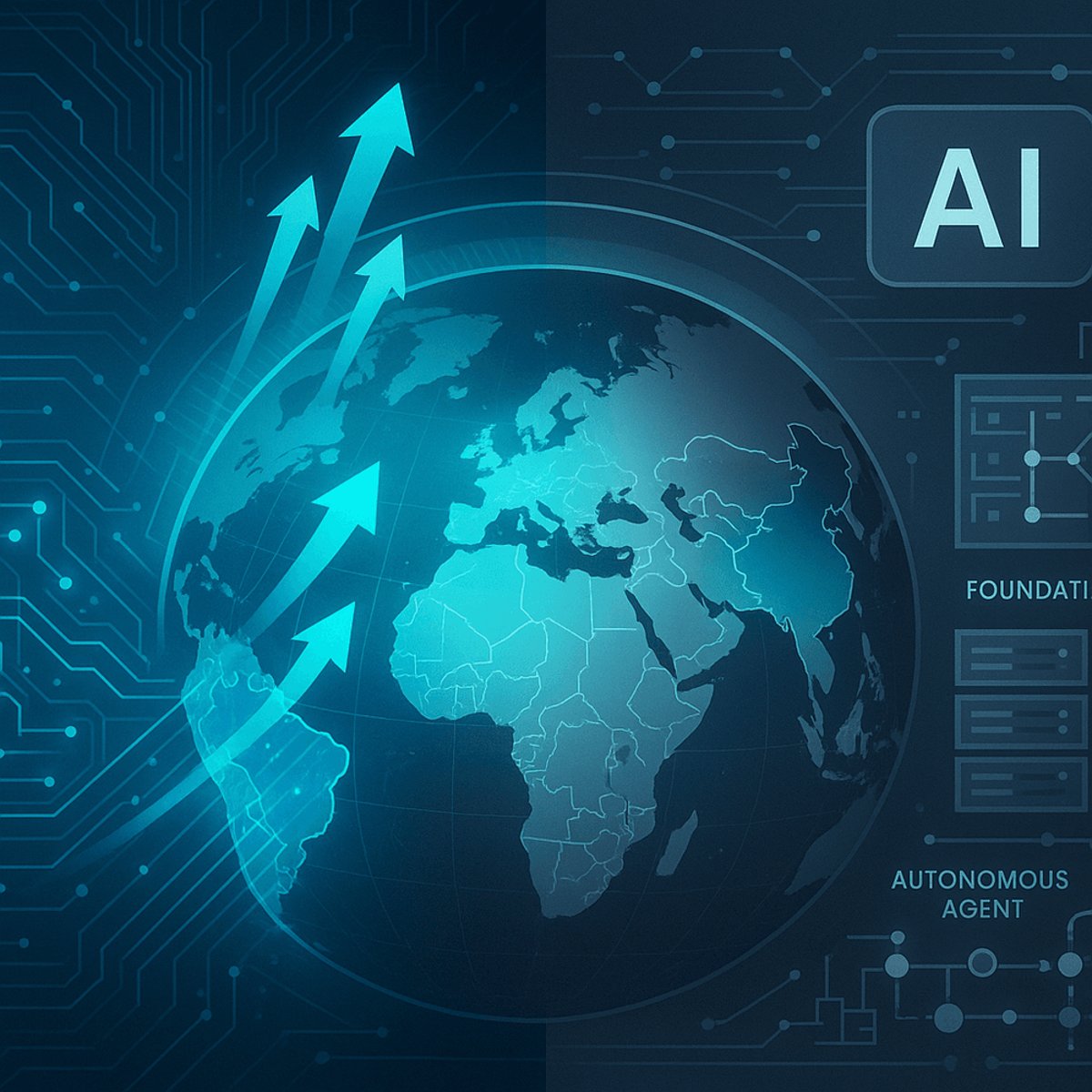
China just leapfrogged the US in AI agent adoption. Usage of OpenClaw - the open-source framework powering autonomous AI agents - has surged past American deployment levels, according to new data that reveals a dramatic shift in the global race to automate enterprise workflows. The spike is turbocharged by Chinese tech giants betting big on lower-cost domestic AI models, creating a parallel ecosystem that's challenging Western dominance in the next wave of artificial intelligence.
The AI agent wars just got a new front-runner, and it's not in Silicon Valley. China's deployment of OpenClaw - the open-source framework that lets developers build autonomous AI agents capable of booking flights, processing invoices, or managing customer service - has quietly surpassed American usage levels, reshaping assumptions about who's winning the race to automate white-collar work.
The numbers tell a striking story. While US tech giants have spent the past year perfecting their underlying AI models and debating safety protocols, Chinese enterprises went straight to implementation. Companies from e-commerce platforms to logistics firms are now running OpenClaw agents at scale, powered by domestic AI models from Alibaba, Baidu, and other local players that cost a fraction of what Western alternatives charge. That price advantage - often 60-80% lower than comparable services from OpenAI or Google - is proving decisive for mass adoption.
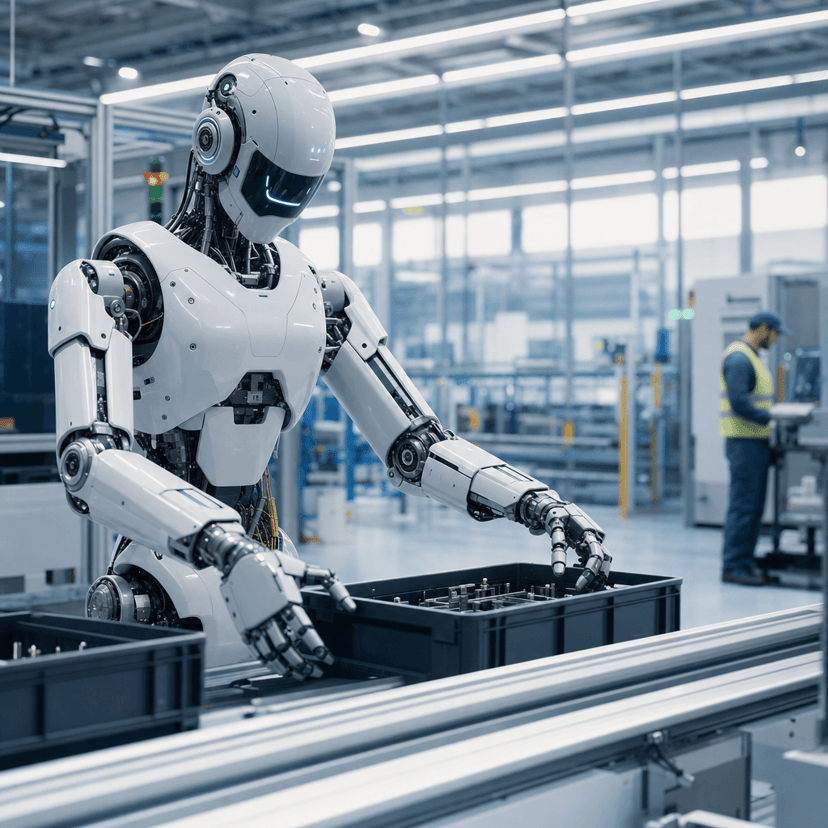
OpenClaw represents the next evolution beyond chatbots. Unlike tools that just answer questions, these AI agents can actually complete tasks - they navigate websites, fill out forms, analyze spreadsheets, and coordinate across multiple software systems without human intervention. Think of it as the difference between asking for directions and having someone drive you there. Chinese firms are betting this capability will transform industries faster than incremental improvements to foundation models.
The geographic flip has caught Western observers off-guard. Just six months ago, US companies dominated early OpenClaw implementations, with startups like Cognition AI and enterprise players testing agent frameworks for coding assistance and workflow automation. But China's combination of government support, aggressive pricing from domestic AI providers, and a massive pool of businesses hungry for automation created perfect conditions for explosive growth.
Chinese tech platforms are integrating OpenClaw agents into everything. E-commerce sites use them to handle customer inquiries in real-time, manufacturing companies deploy them for supply chain coordination, and financial services firms are testing agents for compliance reporting. The infrastructure supporting this boom includes purpose-built Chinese language models optimized for agent tasks - a stark contrast to Western models that were designed primarily for conversation and content generation.
This matters because AI agents represent the practical application layer that actually generates revenue and productivity gains. While US companies have led in developing powerful foundation models like GPT-4 or Claude, China's faster deployment of agent technology could let them capture more economic value from AI in the near term. It's a strategic pivot that plays to China's strengths in rapid implementation and cost engineering rather than fundamental research.
The cost dynamics are particularly noteworthy. Chinese AI models powering these agents run on locally manufactured chips and optimized infrastructure that sidesteps Western export controls. Companies can process millions of agent requests for what US firms spend on thousands. That math changes the calculus for which business processes make sense to automate - suddenly, even low-margin operations become viable candidates for AI agents.
For American tech companies, this presents an uncomfortable mirror. US firms have emphasized safety testing, alignment research, and gradually rolling out AI capabilities. That cautious approach makes sense given regulatory scrutiny and reputational risks. But it's created an opening for Chinese competitors to race ahead in practical deployment, potentially establishing user habits and business integrations that will be hard to displace.
The open-source nature of OpenClaw intensifies this dynamic. Unlike proprietary AI systems where one company controls access, OpenClaw's framework means any developer worldwide can build agents. Chinese engineers have contributed significant improvements to the codebase, optimizing it for local languages and business workflows. That creates network effects that reinforce China's lead - more usage generates more refinements, which drives more adoption.
Government support accelerates the trend. Chinese authorities view AI agent deployment as strategic infrastructure, similar to how they approached mobile payments or electric vehicles. Local governments offer subsidies for companies adopting AI automation, while regulators fast-track approvals for agent applications in priority sectors. It's industrial policy meeting cutting-edge technology, and the combination is formidable.
What comes next will shape the global AI landscape. If Chinese companies establish dominant positions in AI agent deployment, they'll control valuable data about how businesses actually use autonomous systems - insights that inform the next generation of AI development. US firms risk becoming providers of raw AI horsepower while Chinese platforms capture the application layer where users actually interact with the technology. That's a pattern we've seen before in consumer internet, and it didn't end well for Western companies trying to compete in Chinese markets.
China's OpenClaw surge isn't just about one framework or temporary cost advantages - it's a preview of how the global AI race might play out differently than expected. While Western companies perfect their foundation models and navigate safety debates, Chinese firms are capturing real-world deployment experience and economic value from AI agents. The question now is whether American enterprises can close the implementation gap before Chinese platforms establish insurmountable leads in the automation layer that actually transforms how businesses operate. For investors and executives watching the AI space, the message is clear: the company with the best model doesn't always win - sometimes it's whoever gets to market first with good-enough technology at the right price.