Two 20-year-old college dropouts just pulled off one of 2024's most impressive bootstrapped success stories. Rudy Arora and Sarthak Dhawan's AI notetaker Turbo AI has exploded to 5 million users and eight-figure annual recurring revenue, adding 20,000 new users daily while staying profitable. What started as a Duke University side project to solve their own classroom struggles has become the go-to AI study tool across campuses nationwide.
The numbers hit different when you're barely old enough to drink. Turbo AI co-founders Rudy Arora and Sarthak Dhawan are watching their AI notetaker add 20,000 users daily while generating eight-figure annual recurring revenue - and they're still teenagers. The pair dropped out of Duke and Northwestern this year to chase what's become one of 2024's most compelling bootstrap success stories.
"I would always struggle with taking notes because I just couldn't both listen to the teacher and write at the same time," CEO Dhawan told TechCrunch in a recent interview. That classroom frustration sparked what's now a 5-million-user platform that's redefining how students and professionals consume information.
The growth trajectory reads like startup fiction. What began as "Turbolearn" - a side project to record lectures and auto-generate study materials - spread from their dorm rooms to classmates across Duke and Northwestern. Within months, the app had infiltrated Harvard, MIT, and universities nationwide. The past six months alone saw explosive growth from one million to five million users, according to the founders.
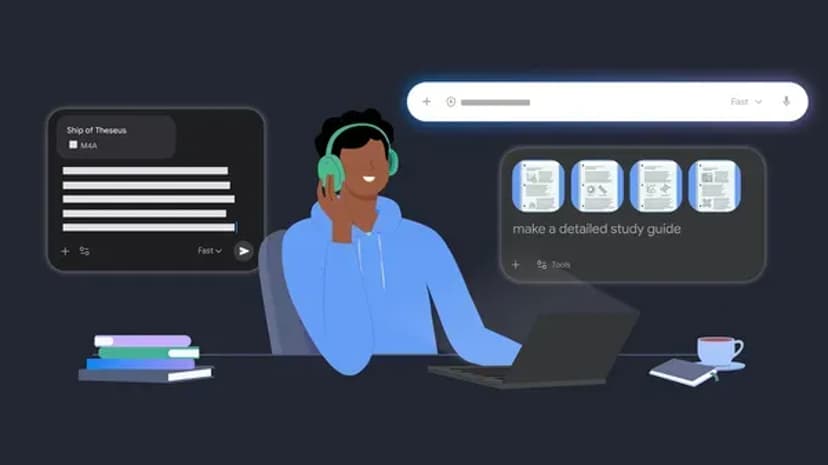
But here's where Turbo AI gets interesting - it's not just another transcription tool. The platform takes the standard record-transcribe-summarize formula and makes it interactive with AI-generated quizzes, flashcards, and a built-in chat assistant that explains complex concepts. Students upload 30-page lectures and spend hours working through 75 quiz questions, Dhawan notes. "You don't do that unless it's really working."
The product evolved as users pushed its boundaries. Large lecture halls created audio issues, so the founders added support for PDFs, YouTube videos, and reading materials. That pivot proved prescient - document uploads now outpace live recordings as the primary use case.
What's more surprising is Turbo AI's reach beyond academia. The company rebranded from "Turbolearn" to reflect its expanding user base, which now includes consultants, lawyers, doctors, and analysts at Goldman Sachs and McKinsey. Professionals upload reports and convert them into podcast-style summaries for commute listening, the founders say.
This isn't Arora and Dhawan's first rodeo with viral apps. The middle school friends have collaborated on multiple projects over the years. Dhawan previously built UMax, a self-improvement app that hit #1 on the App Store with 20 million users and $6 million in annual revenue. Arora specializes in social media growth strategies that attract millions of users organically.
But Turbo AI represents something different - a sustainable business model they believe warrants dropping out. Unlike many AI startups burning through venture capital, they've raised just $750,000 and remained profitable throughout their existence. "We're cash-flow positive and have been profitable our entire time as a company," Arora explained, noting they're taking their time with additional funding despite significant inbound interest.
The 15-person Los Angeles-based team charges students around $20 monthly, though they're experimenting with pricing to address student price sensitivity. "Right now, we're experimenting with other pricing and running a lot of A/B tests to see what works," Arora added.
Turbo AI's competitive positioning sits between manual tools like Google Docs and fully automated notetakers like Otter or Fireflies. Users can let the AI handle everything or collaborate alongside it - flexibility that's helped them stand out against competitors like Y Combinator-backed YouLearn targeting similar student demographics.
"What's cool now is that when students think of an AI notetaker or AI study tool, we're the first ones that come to mind," Dhawan said. That brand recognition, combined with their viral growth expertise and profitable unit economics, positions Turbo AI as a rare success story in an increasingly crowded AI tools market.
Turbo AI's meteoric rise from dorm room side project to 5-million-user platform shows how the right product-market fit can create explosive growth even without massive funding rounds. As AI tools flood the market, Arora and Dhawan's focus on user experience, sustainable growth, and profitability offers a compelling alternative to the typical venture-backed playbook. With professionals increasingly adopting their student-focused tool and expansion opportunities across education technology, these 20-year-old dropouts might be building the next generation's default learning platform.