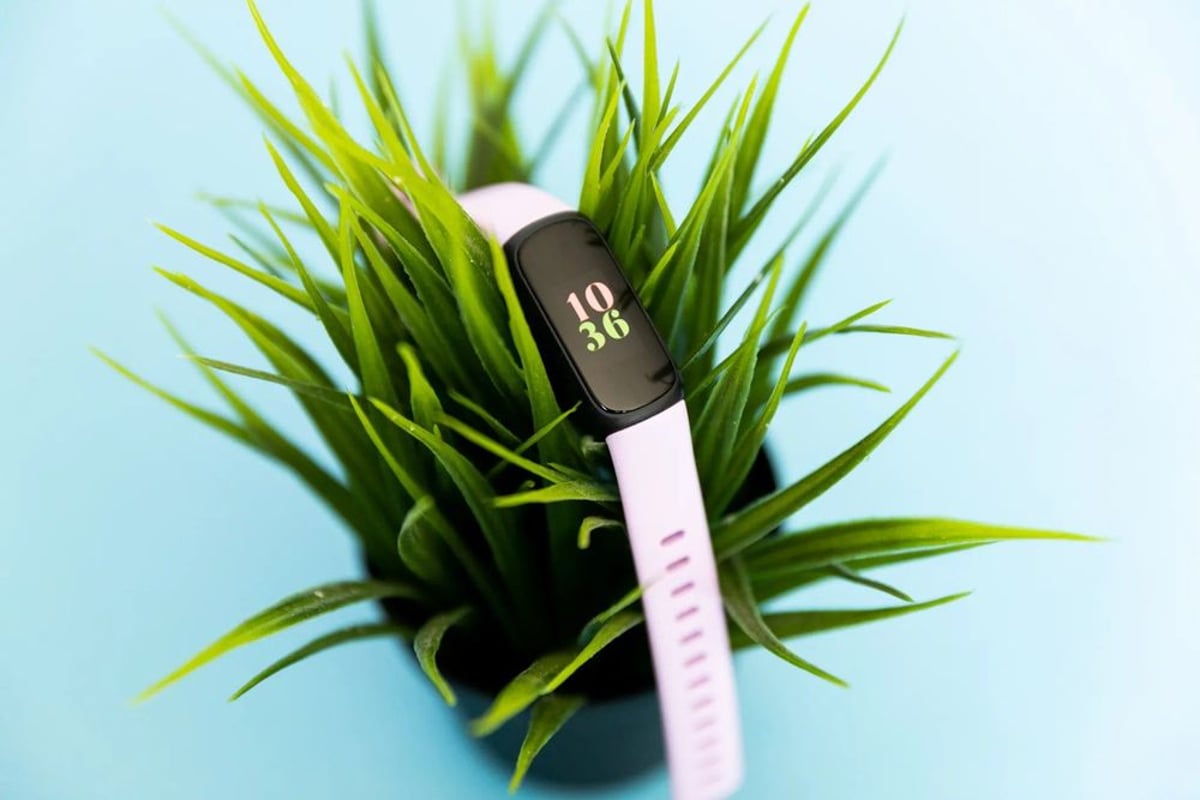
Google's Fitbit Inspire 3 just hit its lowest price ever at $69.95 during Amazon's Big Spring Sale, a 30% drop that signals how aggressively the search giant is competing in the budget fitness tracker market. The move comes as wearables makers fight for the sub-$100 segment while premium devices like the Apple Watch SE struggle to break below triple digits even on sale. For consumers watching their wallets, it's a rare chance to grab solid health tracking without the premium price tag.
Google's Fitbit division is making its cheapest tracker even cheaper. The Fitbit Inspire 3 just dropped to $69.95 across major retailers during Amazon's Big Spring Sale, matching its all-time low and undercutting virtually every name-brand fitness wearable on the market. It's a strategic play in a segment where Apple still can't crack $200 even with discounts on its Watch SE line.
The timing matters. As wearables companies push beyond the early adopter crowd that'll drop $400 on the latest smartwatch, the real battleground is becoming the budget tier where casual users just want to count steps and track sleep without taking out a loan. Google inherited this challenge when it acquired Fitbit, and the Inspire 3 represents its best shot at holding ground against a flood of no-name trackers from overseas manufacturers.
According to The Verge's hands-on testing, the device handles the fundamentals well. It tracks steps, monitors heart rate irregularities, delivers sleep insights, and throws in basic stress management tools. Reporter Victoria Song noted the tracker was so lightweight and comfortable she'd sometimes forget she was wearing it, a crucial factor for all-day and overnight use. The bright OLED display stays readable in sunlight, and the 10-day battery life means you're not chained to a charger every night like you would be with an Apple Watch.
But here's the tradeoff: Fitbit stripped out everything that isn't essential to hit this price point. There's no built-in GPS, so runners tracking routes need to bring their phone. No contactless payments through Google Wallet. No blood oxygen tracking or EKG capabilities like you'd find on the $160 Fitbit Charge 6. No voice assistant integration. It's notifications, alarms, timers, and health metrics, full stop.
That minimalist approach actually works for the target audience. People shopping at $70 aren't comparing spec sheets against the latest Samsung Galaxy Watch. They want something that syncs to their phone, counts their daily steps, and maybe nudges them to move more. The Inspire 3 delivers that without the feature bloat that drives up costs and confuses first-time wearable buyers.
The sale also reveals how retailers are using wearables as traffic drivers. Amazon, Best Buy, and Target all matched the $69.95 price simultaneously, suggesting coordinated promotional support from Google. In the broader consumer electronics market, fitness trackers have become loss leaders, the products stores discount heavily to get customers through the door (physical or digital) where they'll hopefully buy higher-margin accessories and subscriptions.
For Google, there's a longer game here beyond hardware margins. Every Fitbit sold is another user funneled into the company's health data ecosystem. While the device works standalone, the real value unlocks through Fitbit Premium, the $10/month subscription that adds guided workouts, detailed health reports, and personalized insights. Get someone hooked on tracking their sleep score, and they're a lot more likely to subscribe for the deep analysis.
The competitive pressure isn't letting up either. Apple continues to dominate the premium wearables market with double-digit growth, while Chinese manufacturers flood the entry-level tier with sub-$50 trackers that are good enough for many buyers. Google's sweet spot with Fitbit has always been that middle ground: affordable enough for mainstream adoption but credible enough to trust with your health data.
One wildcard: the device has been available since 2022, making it nearly four years old by industry standards. There's no word yet on an Inspire 4, which means Google is either content letting this model ride or planning a refresh that could make current inventory even cheaper. For shoppers, that's not necessarily a bad thing. Fitness tracking fundamentals haven't changed dramatically, and the Inspire 3's sensors still deliver accurate data compared to when it launched.
If you're already invested in Apple's ecosystem, the Watch SE makes more sense despite the higher cost. But for Android users, people buying their first tracker, or anyone who just wants basic health monitoring without subscription pressure or premium pricing, the Inspire 3 at $70 is tough to beat. Just don't expect it to replace your smartwatch. This is a focused tool that does a few things well rather than trying to be everything to everyone.
This sale isn't just about moving inventory. It's Google testing how low it can go to capture mainstream health tracking users before they default to cheap alternatives or save up for an Apple Watch. At $70, the Inspire 3 finally hits impulse-buy territory for people who've been curious about fitness tracking but weren't ready to invest serious money. The device won't win any innovation awards, but it might just win the volume game, and in consumer electronics, that's often what matters most. If you've been waiting for wearables to get affordable without becoming disposable, this is your moment.