Google just put a timeline on one of tech's most anticipated operating system mergers. The company's Android chief Sameer Samat confirmed that Google's combined Android-ChromeOS platform for PCs will arrive next year, marking a pivotal shift in how we think about desktop computing and mobile ecosystems converging.
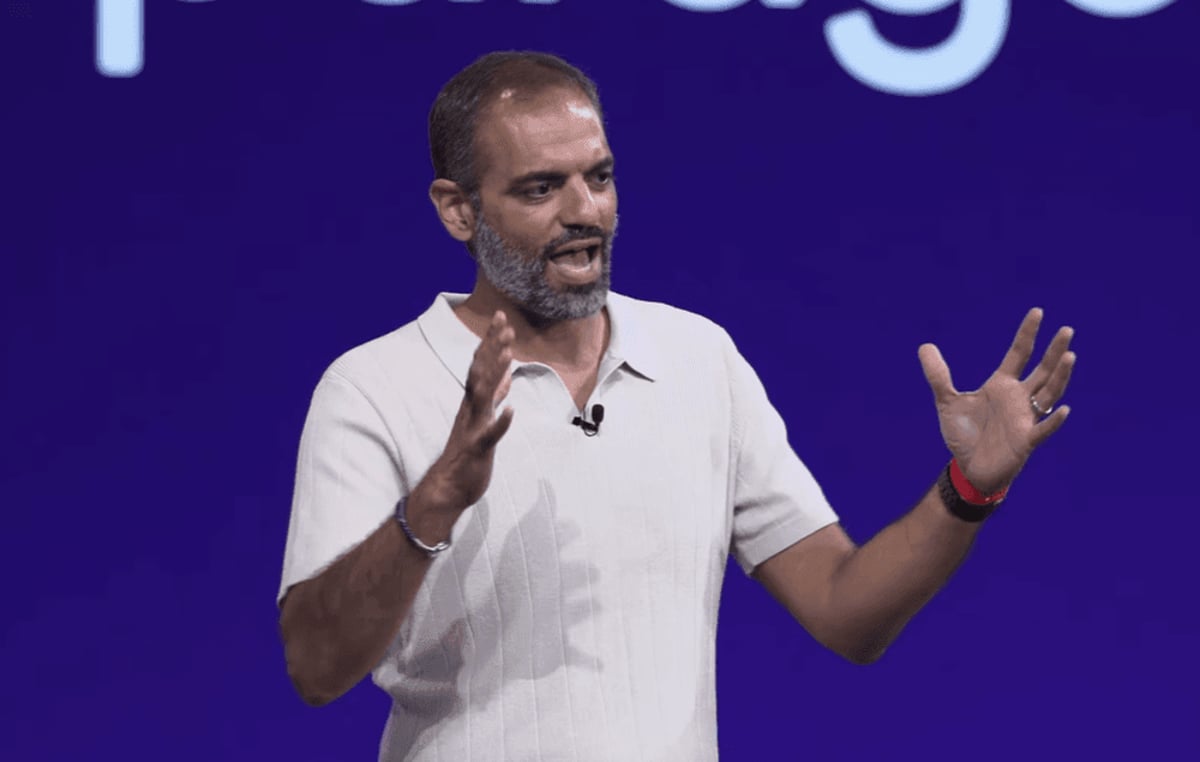
The PC wars just got a new player. At Qualcomm's Snapdragon Summit in Maui, Google's Sameer Samat dropped the timeline everyone's been waiting for: Android for PC is "something we're super excited about for next year." The head of Android Ecosystem made the revelation during Qualcomm's keynote, finally putting concrete timing behind months of industry speculation.
This isn't just another mobile-to-desktop experiment. Samat explained that Google is "basically taking the ChromeOS experience and re-baselining the technology underneath it on Android." The strategy reveals Google's thinking: rather than forcing Android into laptop form factors, they're preserving what works about ChromeOS while rebuilding it on Android's foundation.
The timing couldn't be more strategic. Qualcomm just announced its new Snapdragon X2 Elite and Elite Extreme processors, claiming they're the most efficient chips available for Windows PCs. While neither company explicitly connected the dots during today's announcements, the partnership implications are clear - Google's Android PC could launch optimized for Qualcomm's latest silicon.
"The opportunity for us that we see is how do we accelerate all the AI advancement that we're doing on Android and bring that to the laptop form factor as rapidly as possible," Samat told the audience. It's a direct shot at both Microsoft's Windows AI push and Apple's M-series dominance in efficient laptop computing.
Google's been playing the long game here. ChromeOS laptops have quietly built a solid education market presence, while Android tablets have evolved into legitimate productivity machines. The merger lets Google bring Android's massive app ecosystem and AI capabilities to traditional laptop users who've been locked into Windows or macOS.
The move also signals Google's response to the changing PC landscape. With Microsoft pushing Copilot+ PCs and Apple proving ARM processors can power professional workflows, Google needs a unified platform that can compete on performance, efficiency, and AI integration.
What's particularly interesting is Samat's emphasis on ecosystem connectivity. "Have the laptop and the rest of the Android ecosystem work seamlessly together" suggests deep integration between Android PCs, phones, tablets, and other Google services - something neither Windows nor macOS can match within Google's ecosystem.
The technical approach makes sense too. Rather than starting from scratch, Google is leveraging ChromeOS's proven desktop interface while tapping into Android's mature development tools, security model, and AI infrastructure. It's the kind of pragmatic engineering decision that could actually work in the real world.
For hardware partners, this creates new opportunities. Samsung, which already makes both Android tablets and ChromeOS devices, could be positioned perfectly for early Android PC launches. Other Android manufacturers might finally have a path into the laptop market without Windows licensing costs.
The wildcard is developer adoption. Android's app ecosystem is massive, but most apps aren't optimized for desktop productivity workflows. Google will need to convince developers to create desktop-friendly versions of their Android apps, or risk launching with a platform that feels mobile-first in a desktop world.
Competitively, this puts pressure on everyone. Microsoft suddenly faces Google's AI expertise and app ecosystem in its core PC market. Apple loses some of its ecosystem integration advantages. And Chrome browser users might find compelling reasons to switch their entire computing platform to Google.
The 2026 timeline means Google has about 12-15 months to nail the execution. That includes finalizing hardware partnerships, convincing app developers to optimize for desktop, and proving the merged OS can handle everything from web browsing to video editing without the compromises that have historically plagued mobile-desktop crossovers.
Google's Android-PC merger represents more than just another operating system launch - it's a fundamental shift in how tech giants are approaching the convergence of mobile and desktop computing. With 2026 timing confirmed and Qualcomm partnership momentum building, Google is positioning itself to challenge both Microsoft's Windows dominance and Apple's ecosystem integration advantages. The success will ultimately depend on execution: can Google deliver desktop productivity without sacrificing Android's mobile strengths, and will developers embrace building for this new hybrid platform? The PC market hasn't seen disruption this significant since the original iPhone proved mobile could reshape everything.