Google is making a major play to become the default operating system for cars. The company just announced it's expanding Android Automotive OS beyond infotainment screens into the non-safety critical computing systems that power modern vehicles. The move positions Google to solve the automotive industry's fragmentation problem while potentially controlling the software backbone of millions of cars hitting the road in the coming years.
Google just fired a shot across the automotive industry's bow. The tech giant is pushing its Android Automotive operating system far beyond the touchscreens drivers interact with, extending its reach into the computing infrastructure that makes modern vehicles work.
The announcement represents a fundamental shift in Google's automotive strategy. Until now, Android Automotive operated exclusively within the car's infotainment system - essentially the dashboard touchscreen where drivers control music, navigation, and climate settings. But the new version expands Google's "open infrastructure" into the non-safety portions of a vehicle's internal computer system, according to The Verge's reporting.
This matters because cars have become incredibly complex computing platforms. Today's vehicles aren't just mechanical machines with some software sprinkled on top - they're essentially computers on wheels, running millions of lines of code to manage everything from battery systems to driver assistance features. But there's a problem: the industry is drowning in fragmentation.
Most automakers currently cobble together software from dozens of different suppliers, creating a patchwork of mismatched modules that don't play nicely together. One vendor provides the infotainment software, another handles the instrument cluster, a third manages connectivity features, and so on. The result is a integration nightmare that slows development, increases costs, and creates potential security vulnerabilities.
Google sees an opportunity to do what it does best - provide a unified platform that solves the fragmentation problem. By offering an open-source operating system that can run across multiple vehicle systems, the company is positioning itself to become the de facto software provider for the automotive industry. It's the same playbook Google used with Android smartphones, which now power roughly 70% of mobile devices worldwide.
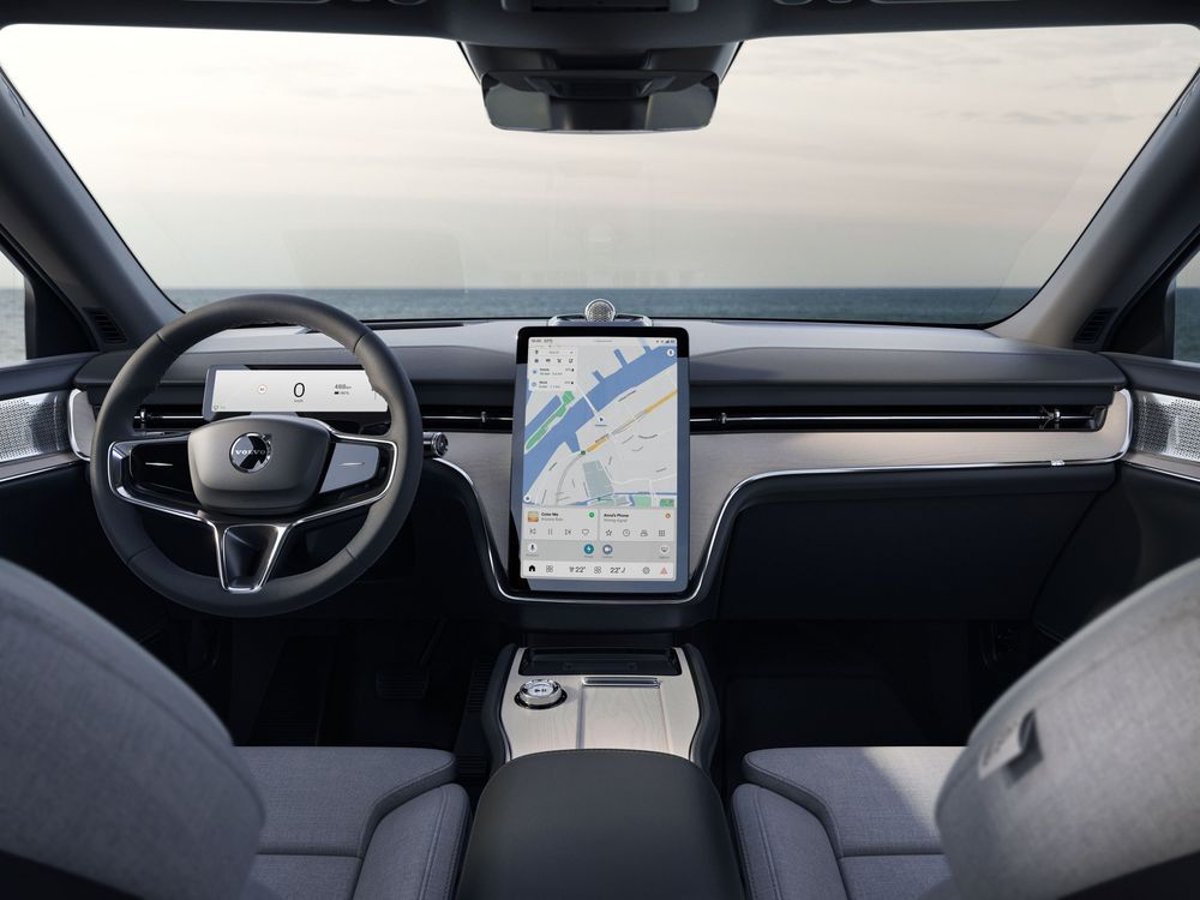
Volvo has been an early adopter, with its EX90 electric SUV showcasing Android Automotive's infotainment capabilities. The integration brings Google Maps, Google Assistant, and the Play Store directly into the vehicle experience without requiring drivers to connect their phones. But that's just the surface level implementation.
The deeper integration Google is now pursuing would give the company's software control over vehicle computing resources, inter-system communication, and potentially over-the-air update mechanisms. For automakers, this offers a compelling value proposition: instead of managing relationships with dozens of software suppliers and ensuring their code works together, they could rely on Google's platform as a foundation.
But the move also raises questions about data privacy and industry dependence. Google's business model revolves around collecting user data and serving targeted advertising. While the company has positioned Android Automotive as an "open infrastructure" play, automakers and regulators will scrutinize exactly what data flows back to Google's servers and how it's used.
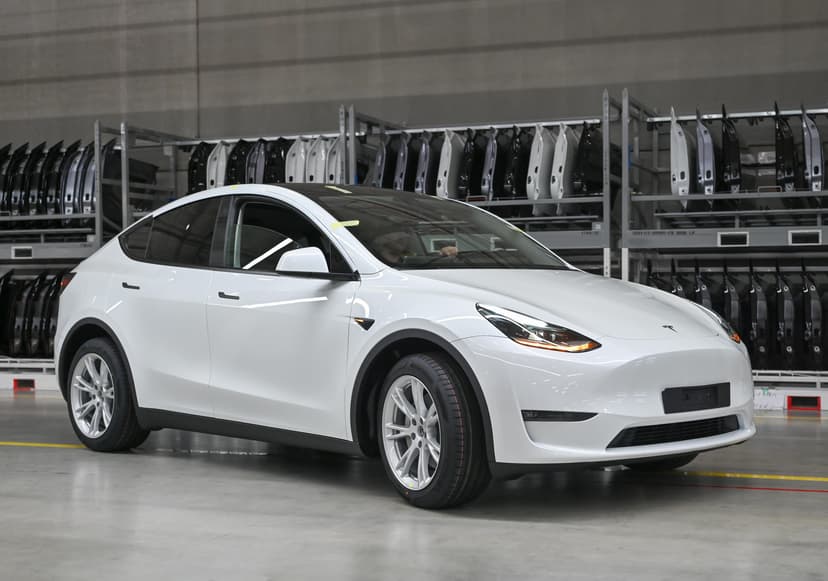
The automotive software market is heating up fast. Apple has been working on its own vehicle ambitions for years, though with mixed results. Traditional suppliers like Bosch and Continental are fighting to maintain relevance in the software-defined vehicle era. Meanwhile, electric vehicle makers like Tesla have shown the competitive advantage of controlling your entire software stack.
Google's timing is strategic. The automotive industry is in the midst of a massive transformation, with electrification and autonomous driving features pushing software to the forefront. Automakers are desperately trying to transform themselves into software companies, but many lack the engineering talent and platform expertise to build everything in-house. That creates an opening for Google to become the Android of automobiles.
The question is whether traditional automakers will embrace Google's platform or resist ceding control of such a critical component to a Silicon Valley tech giant. Some manufacturers are hedging their bets, developing proprietary software while also exploring partnerships with platform providers. Others are forming consortiums to create industry-standard alternatives.
What's clear is that the dashboard touchscreen was just the beginning. Google's expansion into core vehicle computing systems signals the company's long-term ambition: to power the software infrastructure of transportation itself, turning every car into a Google-connected device on wheels.
Google's push beyond infotainment into core vehicle computing represents more than a product expansion - it's a bid to own the operating system layer of the automotive industry's future. As cars become software-defined platforms, the company controlling that software foundation gains enormous leverage over everything from user experience to data collection to third-party app ecosystems. For automakers facing the complexity of modern vehicle software, Google offers a tempting solution. But accepting that solution means inviting Silicon Valley deep into the heart of their vehicles, with all the dependencies and data-sharing implications that entails. The next few years will reveal whether the automotive industry embraces Google's platform or builds alternatives to maintain control over their software destinies.