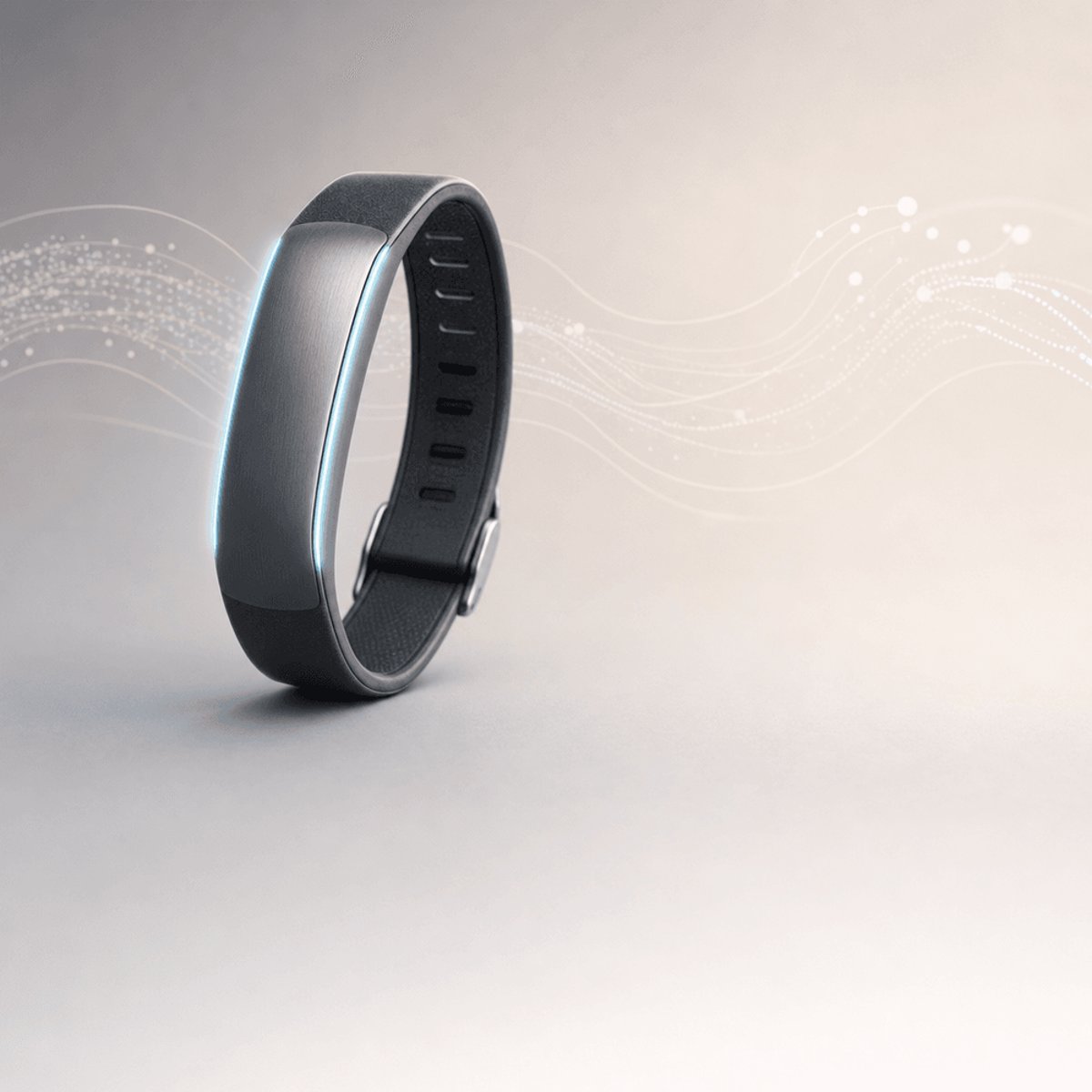
Google is making a play for the premium fitness tracking market with the Fitbit Air, a screenless health monitor that directly challenges Whoop's dominance in the subscription wearable space. The device, tucked inside a minimalist fitness band, represents Google's latest attempt to leverage its Fitbit acquisition and compete in the high-end wellness tracking segment without the hefty recurring fees that have defined competitors like Whoop.
Google is taking another swing at the premium fitness tracking market, and this time it's going after Whoop with a screenless tracker that promises similar insights without the subscription price tag. The Fitbit Air, as it's called, strips away the display entirely and focuses on what serious fitness enthusiasts actually want: continuous, accurate health data without the distraction of notifications and screens.
The timing is interesting. Whoop has dominated the screenless tracker space for years, building a cult following among athletes and biohackers willing to pay $30 a month for the privilege. But Google smells blood in the water. With the Fitbit Air, the company is betting that consumers want the same depth of health tracking without being locked into a recurring payment model. According to early hands-on reviews from ZDNet, the device delivers on that promise, packing serious tracking capabilities into a slim band that disappears on your wrist.
This isn't just another Fitbit refresh. It's a strategic move that shows Google is finally figuring out what to do with its $2.1 billion Fitbit acquisition from 2021. The company has struggled to integrate Fitbit's hardware expertise with its own AI and data capabilities, leading to a string of middling product launches that failed to move the needle. The Air represents a different approach: instead of trying to out-Apple the Apple Watch, Google is targeting a niche that values data over aesthetics and insights over interactions.
The screenless design is the key differentiator here. While Apple and Samsung keep cramming more features into their smartwatches, Google is making a bet that a growing segment of users wants less. No emails, no text messages, no temptation to check social media during a workout. Just pure health data flowing to your phone, where it can be analyzed and acted upon. It's a philosophy that Whoop pioneered, but one that Google can now bring to a much wider audience at a lower price point.
The competitive implications are significant. Whoop has built its entire business model around hardware-as-a-service, essentially giving away the tracker to lock customers into monthly subscriptions. If Google can deliver comparable accuracy and insights with a one-time purchase price, it could fundamentally reshape the premium fitness tracker market. The company has the scale, distribution, and brand recognition to make this work in a way that smaller competitors simply can't match.
What's interesting is how this fits into Google's broader health ambitions. The company has been quietly building out its health and fitness capabilities across Android, Google Fit, and now Fitbit. The Air gives Google a direct pipeline to the kind of continuous health data that could feed its AI models and potentially open up new opportunities in everything from insurance partnerships to clinical research. The device tracks heart rate variability, sleep stages, and recovery metrics - the same biometric signals that are becoming increasingly valuable in a world where personalized health is moving from luxury to necessity.
The real test will be accuracy. Whoop has spent years refining its algorithms and building trust with users who rely on its data to make training decisions. Google will need to prove that the Fitbit Air can deliver the same level of precision, especially when it comes to metrics like HRV and recovery scores that require sophisticated signal processing. Early reviews suggest the device holds its own, but the true verdict will come from weeks and months of real-world use by athletes who know what good data looks like.
For Google, the stakes extend beyond just hardware sales. The company needs Fitbit to work. After years of regulatory scrutiny over the acquisition and questions about whether Google could successfully enter the hardware market, the Air represents a chance to prove the doubters wrong. If it gains traction, it could validate Google's entire approach to consumer health tech and open the door to more ambitious projects down the line.
Google's Fitbit Air arrives at a moment when the fitness wearable market is ripe for disruption. By offering Whoop-level tracking without the subscription lock-in, Google is betting that price-conscious consumers will choose one-time purchases over recurring fees. If the Air delivers on its accuracy promises and Google can leverage its distribution advantages, it could force Whoop and other premium tracker makers to rethink their entire business model. For now, the Air represents Google's clearest vision yet for what Fitbit should be: not an Apple Watch competitor, but a focused health tracking platform for users who value data over distractions.