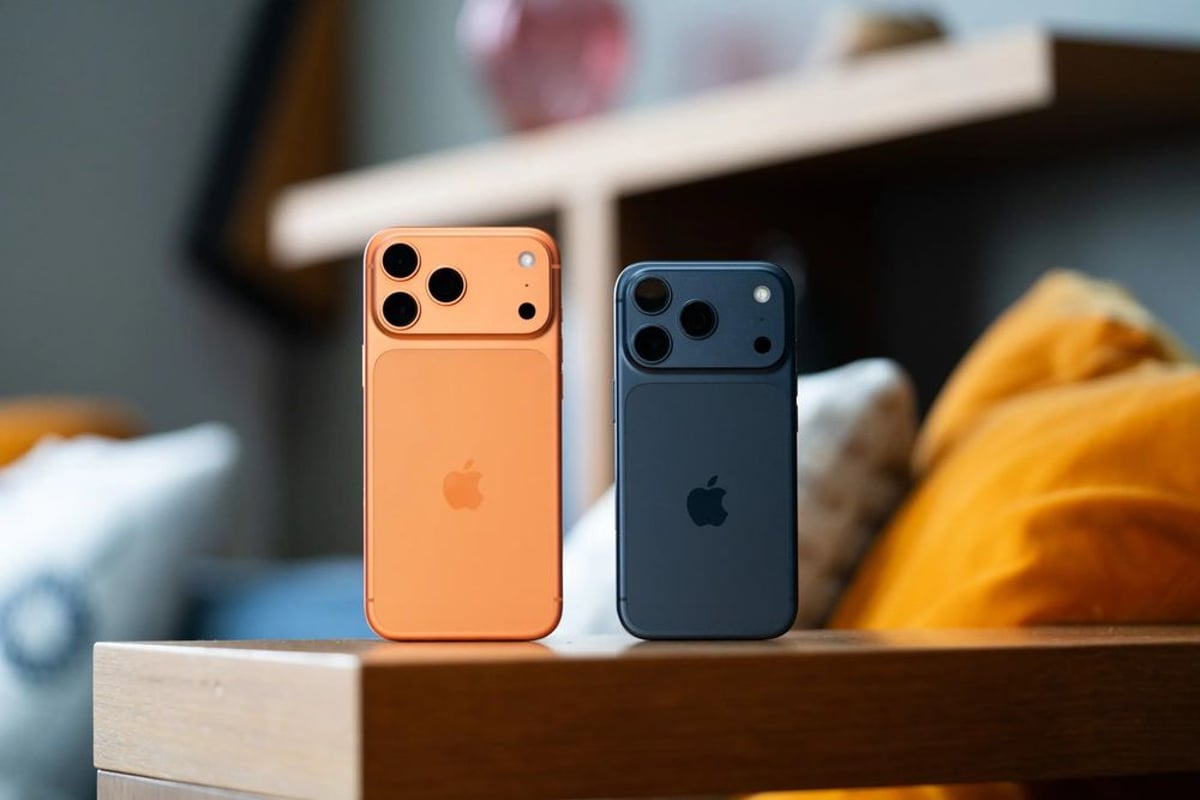
Apple's iPhone 17 launched over a month ago, but Adobe's popular Project Indigo camera app still won't run on the latest phones. The holdup? The iPhone 17's redesigned selfie camera is causing compatibility issues that even forced Apple to issue a fix in iOS 26.1, leaving photography enthusiasts stuck with older devices.
Adobe's Project Indigo has hit an unexpected snag with Apple's latest iPhone 17 series. More than a month after launch, the experimental camera app that photographers have been raving about still can't run on the company's newest phones. iPhone 12 Pro users can snap away with Indigo's natural processing, but iPhone 17 Pro owners are left staring at incompatible software on their thousand-dollar devices.
The culprit isn't some complex software architecture issue - it's the iPhone 17's redesigned selfie camera. Product manager Boris Ajdin broke the news to frustrated users on Adobe's community forums, explaining that the team "ran into some issues, especially with the front camera." The problems were serious enough that Adobe flagged them directly to Apple, which has already developed a fix scheduled for iOS 26.1.
But here's the kicker - rather than wait for Apple's OS update, Adobe is considering launching iPhone 17 support with the selfie camera completely disabled. "Sadly, that means we need to consider disabling the front camera in Indigo until that version of iOS is shipped," Ajdin wrote in his October 16th update. It's a compromise that highlights just how tricky the iPhone 17's camera redesign has been for developers.
The iPhone 17 series marked the first major selfie camera overhaul since Apple switched to 12-megapixels in the iPhone 11. The new 18-megapixel front sensor is square-shaped, letting users capture both portrait and landscape shots without rotating the phone or losing resolution to cropping. Center Stage controls automatically track subjects and adjust framing when more people join photos - useful features that apparently created headaches for third-party camera apps.
Project Indigo has built a devoted following since debuting this summer, offering what many consider more natural image processing compared to the heavily stylized look most smartphone cameras produce. The app comes from a team led by Marc Levoy, the computational photography pioneer behind Google Pixel's acclaimed camera system. Levoy's reputation for pushing mobile photography boundaries made Project Indigo an instant hit among enthusiasts seeking alternatives to standard camera apps.
Adobe spokesperson Erin Di Leva declined to provide additional details about the technical challenges beyond Ajdin's forum posts. The silence suggests the compatibility issues run deeper than simple software tweaks, especially given that Apple itself needed to implement OS-level fixes.
The delay puts Adobe in an awkward position. Android users are still waiting for Project Indigo support entirely - Levoy called Android compatibility "definitely on the 'want' list" but acknowledged it's "quite challenging." Now iOS users with the latest hardware are also in limbo, creating frustration across both major mobile platforms.
Ajdin's latest update suggests relief might be coming soon. "I am hoping that we can release an update this week," he posted in response to user complaints. But the timeline has already slipped once - the team initially aimed for a release "in a couple of days" from his October 16th announcement.
The iPhone 17 compatibility saga illustrates how even minor hardware changes can create unexpected software challenges. Apple's square selfie sensor and Center Stage functionality represent meaningful upgrades for everyday users, but they've clearly complicated life for developers building specialized camera apps. Project Indigo's struggles suggest other third-party camera applications might face similar hurdles with the iPhone 17's front-facing system.
The Project Indigo delay reveals how Apple's hardware innovations can create unexpected ripple effects for third-party developers. While iPhone 17 users wait for full camera app support, the situation highlights the complex relationship between hardware evolution and software compatibility. Adobe's willingness to ship with disabled features rather than delay further suggests the pressure developers face to support new devices, even when technical challenges persist.