JBL just dropped the Grip, a compact Bluetooth speaker that's part audio device, part mood lighting. The waterproof cylinder packs a 14-hour battery and LED light panel, but early testing suggests the company might be overselling both the battery life and the visual impact. Still, at its core, this is JBL betting that portable audio needs more personality.
JBL's latest speaker launch feels like the company asking: what if your Bluetooth speaker was also a lava lamp? The Grip, which just hit reviewers' hands, represents JBL's attempt to inject some visual flair into the crowded portable audio market.
The core proposition is solid - JBL packed IP68 waterproofing into a compact cylinder that won't break when dropped. The silicone rubber end caps actually make it more durable than the Flip 7's passive radiators, which could be punctured by sharp objects. But here's the catch: it doesn't float. Toss this in the pool and someone's diving in to fetch it.
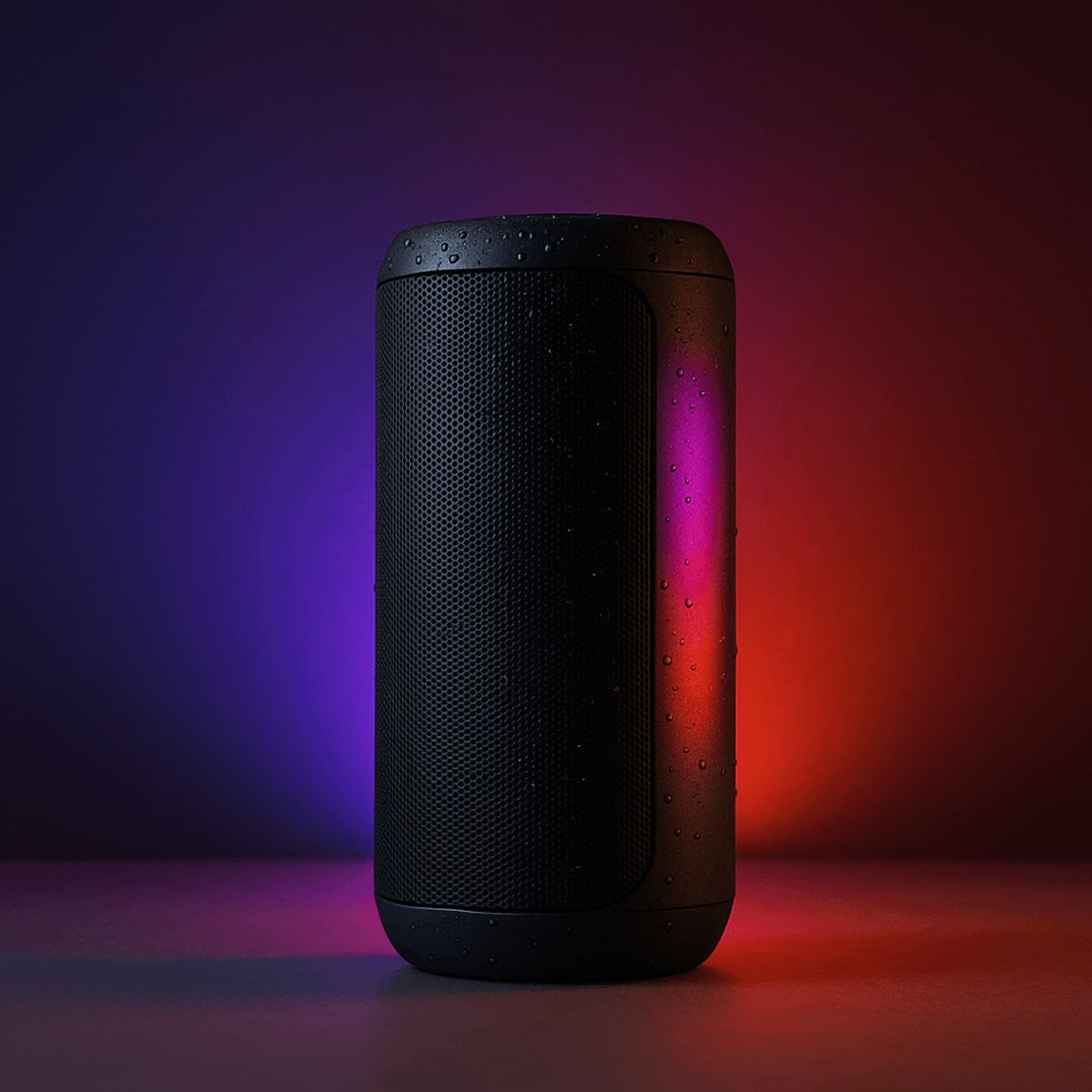
Where things get interesting is the LED panel mounted on the back. JBL built in four color options (purple, red, icy-blue, and vibrant blue) controlled through their Portables app, with five display modes ranging from animated to static. The problem? None of the animated modes sync to your music. According to Wired's hands-on testing, it's more "lava lamp than disco light."
That positioning creates an odd design choice. To see the light show, you're looking at the back of the speaker, meaning the single racetrack driver faces away from you. The audio difference isn't massive, but it's noticeable in the upper midranges and highs, which lose clarity when you're not in the speaker's direct path.
JBL claims 14 hours of battery life, matching their larger Flip 7. But real-world testing tells a different story. Running the Grip at 50% volume continuously yielded just 10.5 hours - a 25% shortfall from the advertised maximum. JBL's PlayTime Boost mode might help squeeze out a few more tracks, but that gap suggests the company's being optimistic with their marketing numbers.
The vertical-only orientation sets it apart from the Flip 7's versatility. While you can lay it sideways (the built-in loop prevents excessive rolling), the controls are positioned for upright use and the LED panel gets partially blocked when horizontal. This feels like JBL targeting specific scenarios - think bedside table or outdoor gathering centerpiece - rather than the grab-and-go flexibility their other speakers offer.
For context, JBL's betting against competitors like the Tribit StormBox Mini+ ($40), which offers beat-synchronized LED rings. That speaker costs less and delivers the music-reactive light show that JBL's Grip surprisingly lacks. It suggests JBL sees the visual element as ambient enhancement rather than party feature.
The timing is telling. As portable speaker sales flatten, manufacturers are adding features beyond pure audio quality. Some focus on voice assistants, others on multi-speaker connectivity. JBL's choosing mood lighting, banking that consumers want their speakers to contribute to room ambiance when not actively playing music.
The IP68 rating puts it in direct competition with outdoor-focused speakers from Ultimate Ears and Sony. But those typically emphasize ruggedness and volume over visual appeal. JBL seems to be carving out a middle ground - durable enough for poolside use, stylish enough for indoor entertaining.
What's clear is that JBL's not trying to revolutionize speaker technology here. The Grip uses familiar components and proven waterproofing. The LED panel feels more like a differentiator than a game-changer, especially without music synchronization. But in a market where Bluetooth speakers often blend together, even subtle personality can matter.
JBL's Grip represents a modest bet on visual appeal in portable audio. While the LED light show won't replace your party lighting and the battery life falls short of promises, it's a competent speaker with solid waterproofing. The bigger question is whether adding mood lighting to a Bluetooth speaker addresses what consumers actually want, or if it's just another feature in an increasingly crowded market. For JBL, it's less about revolutionary technology and more about giving their speakers a personality that stands out on store shelves.