Crypto hardware giant Ledger just unveiled its biggest strategic shift yet. The company's new $179 Nano Gen5 abandons the tiny USB stick design for a smartphone-like E Ink device, but the real story is bolder - Ledger doesn't even want you calling it a crypto wallet anymore. It's now a 'signer' designed for AI authentication and age verification, targeting mainstream users who've never touched crypto.
Ledger is making a calculated bet that the future of digital identity lies beyond crypto's traditional boundaries. The French company's new Nano Gen5, launching at $179, represents more than just another hardware wallet refresh - it's a fundamental repositioning toward mainstream digital authentication in an AI-dominated world.
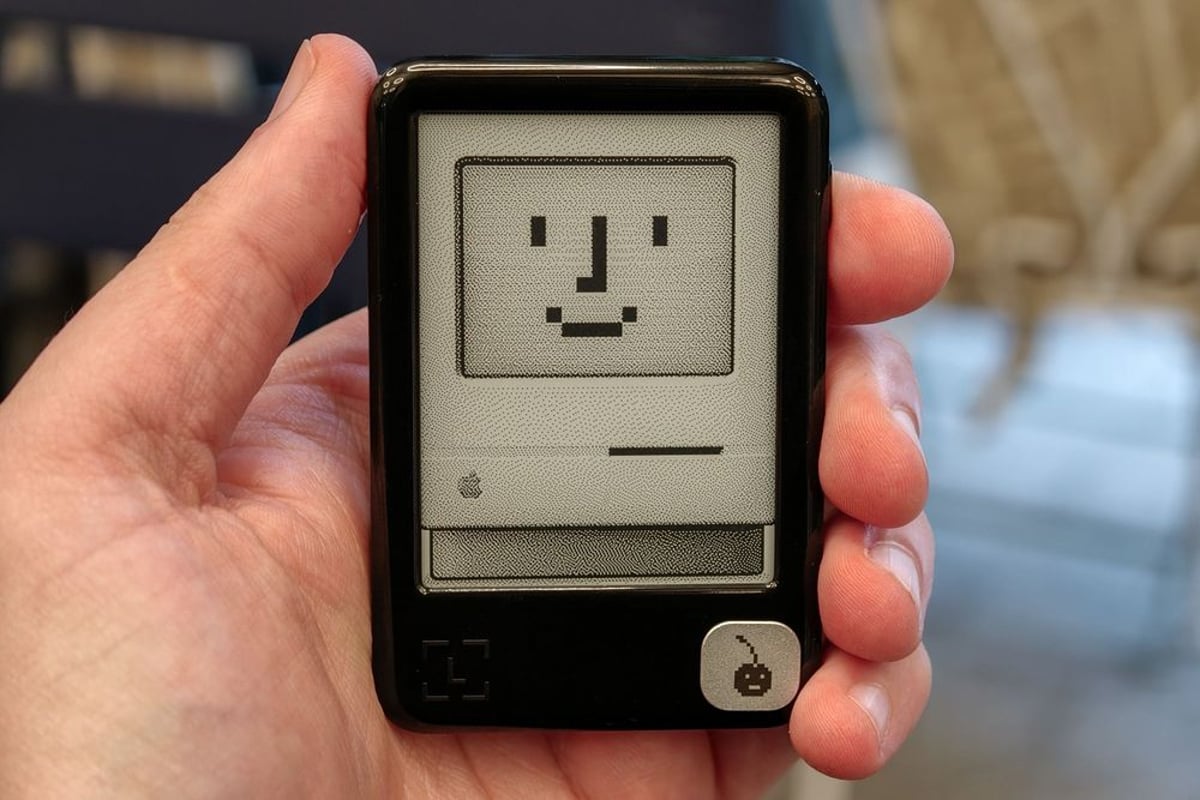
The device itself signals this shift immediately. Gone is the USB stick form factor that defined previous Nano models. Instead, users get a smartphone-like device with a 3-inch E Ink touchscreen that resembles Ledger's premium Flex and Stax models more than the tiny Nano X it replaces. The plastic construction feels cheaper than the $249 Flex, but that's intentional - Ledger is targeting price-conscious consumers who might balk at premium pricing.
The bigger screen serves dual purposes. Practically, it displays complete transaction details at once, making it easier to spot fraudulent transfers. But strategically, it makes the device more approachable for users intimidated by crypto's technical complexity. "We're not just making this for crypto bros anymore," a Ledger spokesperson told The Verge.
The company's vision extends far beyond traditional cryptocurrency transactions. Ledger envisions users leveraging the device's secure chip to authorize AI agents for tasks like booking flights or proving age without surrendering government IDs to platforms like Discord. This puts Ledger in direct competition with Sam Altman's World project, which promises similar authentication through eyeball-scanning Orbs.
Ledger's approach feels more pragmatic. Rather than requiring biometric scans, the Nano Gen5 relies on established cryptographic principles while simplifying the user experience. The company ditched the intimidating 24-word recovery phrases that scared away mainstream users, replacing them with NFC Recovery Keys introduced this summer.
The timing aligns with growing concerns about digital identity verification. As AI makes deepfakes and digital impersonation easier, platforms are implementing stricter age-gating measures. Discord recently faced backlash over government ID requirements after a data breach, creating an opening for privacy-focused alternatives like Ledger's solution.
To court mainstream users, Ledger enlisted design veterans. iPod creator Tony Fadell, now a board member, brought in original Mac icon designer Susan Kare to create collectible badges that slot into the device. The $20 three-packs featuring 13 different designs feel more like smartphone accessories than crypto hardware, signaling Ledger's broader consumer ambitions.
Even the partnership choices reflect this shift. Ledger is sponsoring the San Antonio Spurs and creating limited-edition badges for its Paris Op3n event, moves designed to build brand recognition beyond crypto circles.
The challenge lies in market timing and adoption. While enterprise demand for secure authentication is growing, consumer willingness to spend $179 on digital identity tools remains unproven. The device competes not just with software-based solutions but with users' tendency to accept privacy trade-offs for convenience.
Early market signals suggest mixed reception. Crypto enthusiasts appreciate the improved screen and simplified recovery process, but question whether Ledger is abandoning its core strengths. Meanwhile, mainstream consumers remain largely unaware of the digital identity challenges Ledger aims to solve.
Ledger's pivot from crypto hardware to mainstream digital identity represents a fascinating gamble on where the authentication market is heading. The Nano Gen5's consumer-friendly design and AI-focused messaging could either position the company ahead of a major shift toward hardware-based identity verification, or leave it caught between two markets - too mainstream for crypto purists, too niche for everyday consumers. The real test will come as AI agents and age-gating become more prevalent, determining whether users will pay premium prices for privacy-focused authentication or stick with simpler software solutions.