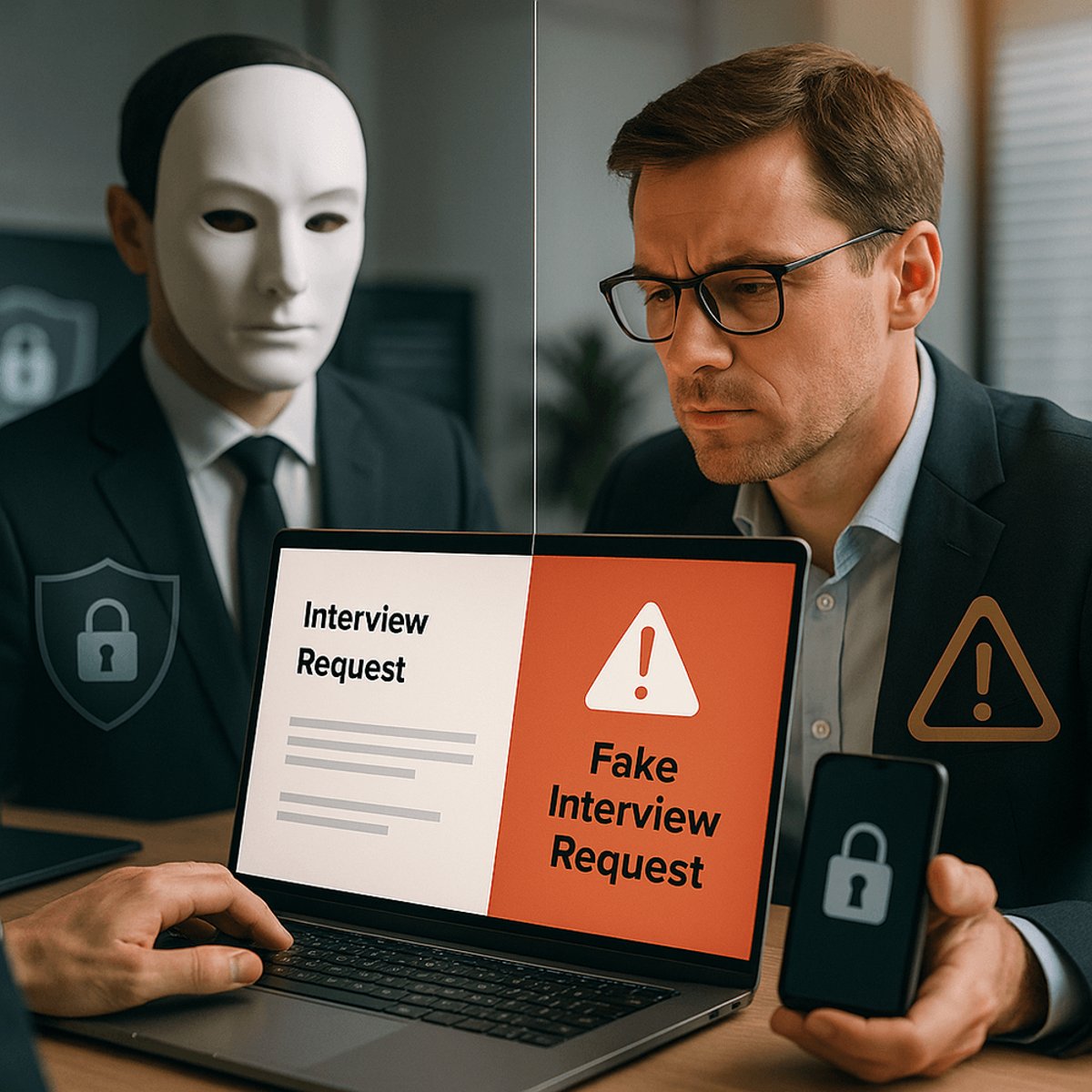
Tech companies are facing a surge in sophisticated phishing attacks from scammers posing as reporters from major media outlets like TechCrunch. These fraudsters are using fake journalist identities to extract sensitive business information, with attacks becoming more frequent and convincing. The scheme highlights a growing cybersecurity threat targeting the trust relationship between media and businesses.
The cybersecurity landscape just got more complicated for tech companies. A wave of sophisticated impersonation attacks is targeting businesses through fake media outreach, with scammers posing as reporters from established outlets like TechCrunch to extract sensitive corporate data. The attacks have intensified recently, according to multiple reports from targeted companies.
The scheme works like this: Fraudsters adopt the identities of real reporters, craft legitimate-looking media inquiries about company products, and request introductory calls. During these conversations, they probe for proprietary details that could facilitate broader cyberattacks. Some victims only catch discrepancies after noticing suspicious email domains or scheduling practices that don't match legitimate outlets.
"These bad actors are using our name and reputation to try to dupe unsuspecting businesses," TechCrunch staff wrote in a warning to the tech community. The publication has been tracking dozens of fraudulent domains created specifically for these attacks, including variations like email-techcrunch[.]com and techcrunch-outreach[.]com.
The impersonation epidemic isn't limited to one outlet. According to Axios reporting, PR representatives across the industry report similar schemes targeting their clients through fake journalist personas. The attacks exploit the fundamental trust relationship between media and business, making them particularly effective.
Security researchers believe these campaigns serve as initial access vectors for more serious cyberattacks. Former Yahoo security analysts say the TechCrunch impersonation tactics align with persistent threat actors they've tracked for account takeover and data theft operations. These groups specifically target cryptocurrency, cloud infrastructure, and other high-value tech companies using various social engineering pretexts.
The sophistication level keeps evolving. Early attacks featured obvious red flags like mismatched email addresses, but newer campaigns carefully mimic reporters' writing styles and reference current startup trends to build credibility. Some fraudsters even create convincing fake LinkedIn profiles and use AI-generated content to support their personas.
Companies can protect themselves through verification protocols. The most effective defense is checking official staff directories before engaging with media inquiries. If a supposed reporter's job description doesn't match their outreach focus - like a copy editor suddenly requesting business intelligence briefings - that's a major warning sign.
The attacks highlight broader vulnerabilities in how businesses handle media relations. Many companies lack formal verification procedures for journalist outreach, relying instead on email domain recognition that's easily spoofed. This trust-based system becomes a liability when attackers specifically target it.
For the media industry, these scams threaten the credibility foundation that legitimate journalism depends on. When companies become suspicious of all media outreach due to impersonation fears, it creates friction for real reporters trying to break important stories.
The timing couldn't be worse for an industry already battling AI-generated misinformation and declining public trust. As these social engineering attacks become more sophisticated, both media outlets and their corporate sources need stronger authentication protocols to maintain productive relationships.
The rise of media impersonation attacks represents a new frontier in corporate cybersecurity threats. As fraudsters become more sophisticated at mimicking legitimate journalists, companies need robust verification protocols to protect sensitive information while maintaining productive media relationships. The stakes are high - these attacks don't just threaten individual businesses but undermine the trust that makes quality journalism possible in the first place.