Meta is quietly rebuilding its metaverse from the ground up. The company just rolled out a custom game engine for Horizon Worlds and pushed mobile engagement up 4x, signaling a major strategic shift after years of struggling with its social VR platform. While Ray-Ban glasses grabbed headlines at Connect, Meta's VP Vishal Shah reveals the real action is happening behind the scenes.
Meta is betting big on a metaverse reboot that most people missed. While the tech world obsessed over Ray-Ban Display glasses at Connect last month, the company was quietly laying groundwork for Horizon Worlds to become the connective tissue between every screen you own.
The transformation starts with a fundamental problem that's plagued Meta's social VR platform since launch - nobody was using it. Not even Meta employees. "If we don't love it, how can we expect our users to love it?" metaverse VP Vishal Shah asked in leaked 2022 memos, highlighting the platform's internal credibility crisis.
The solution? Tear it down and build something completely different. Meta just transitioned Horizon Worlds from Unity to a custom Meta Horizon Engine designed specifically for social experiences. The new engine cuts load times to under seven seconds - the "magic number" where experiences feel instantaneous, according to Shah's research - while supporting significantly higher player counts per world.
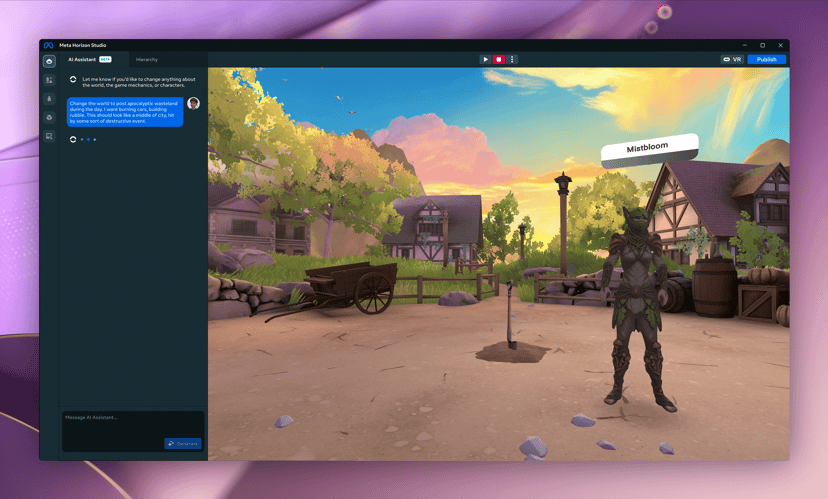
"That required a skill that not everyone has," Shah admits about the original VR-first development approach. The company's answer involves AI tools that let developers create 3D environments, NPCs, and game mechanics with simple prompts, lowering the barrier for creators while maintaining quality.
But Meta's real gamble lies in mobile expansion. The company began porting select Horizon games like Super Rumble to phones in 2023, facing an immediate reality check. "The control specs weren't right," Shah explains. "It just didn't feel right." VR games don't naturally translate to touchscreens, forcing a complete rethink of how these experiences work.
The pivot worked. Mobile engagement increased 4x after Meta started allowing mobile-only Horizon game development, though Shah acknowledges overall mobile usage remains "nascent" compared to VR. The strategy reflects a classic chicken-and-egg problem - the most immersive experiences happen in VR, but that's not where most people are.
"People are on mobile," Shah tells The Verge. The hope is mobile discovery leads to VR adoption, creating a funnel that grows the entire ecosystem.
Meta's ambitions extend beyond gaming. Horizon experiences are already appearing in Facebook's games tab, with Instagram integration in testing. The company envisions everything from VR comedy clubs to virtual living room replicas as "worlds" accessible across devices. Future Ray-Ban Display glasses will likely tap into this same infrastructure for avatar-powered co-presence.
This cross-platform vision requires painful decisions that could alienate early VR adopters. Meta stopped updating the original Quest headset, killed its Move fitness service, and removed early Horizon games. More cuts are coming as the company streamlines its complex ecosystem.
"We have to clean up a lot of the core experiences," Shah explains. "We have this amazing ecosystem that's complex. And if we really want to expand the audience, we've got to simplify."
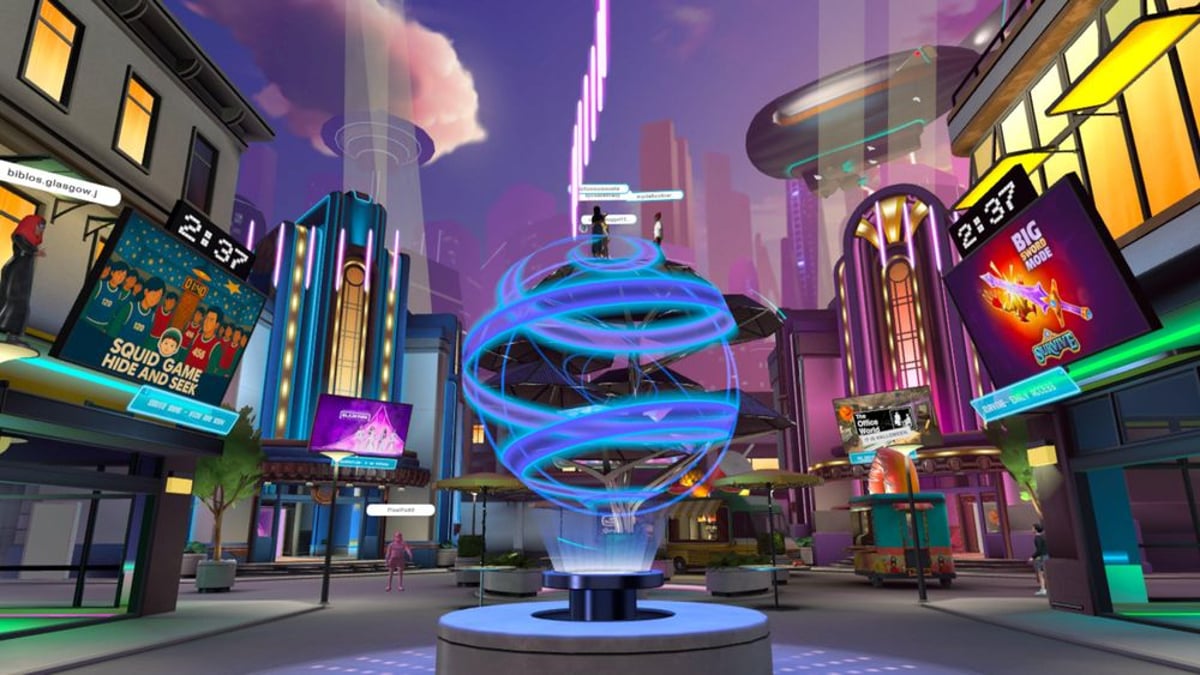
The new engine is rolling out strategically. Horizon Central, the platform's main hub, already runs on the new infrastructure. Quest users will see it first in their redesigned home environment - itself "just a world" in Meta's new paradigm. Horizon Arena, the company's concert venue, benefits most from higher concurrency limits.
Unity made sense for Horizon's original single-game focus, but platforms like Roblox and Minecraft succeed with proprietary engines built for persistent, interconnected experiences. "We made the decision that we'd have to build something much more bespoke for our needs," Shah notes.
The transformation reflects broader industry trends toward cross-platform play and persistent virtual spaces. But Meta faces significant competition from established gaming platforms and emerging AI-powered experiences that might render traditional VR interfaces obsolete.
Meta's Horizon Worlds reboot represents a fundamental shift from VR-first thinking to platform-agnostic social experiences. The new engine and mobile expansion signal serious investment in cross-platform metaverse infrastructure, but success depends on whether simplified experiences can retain the immersion that makes VR compelling. With competitors like Roblox already dominating social gaming and Apple preparing its own mixed reality push, Meta's window to establish Horizon as the connective tissue for future digital interaction may be narrowing.