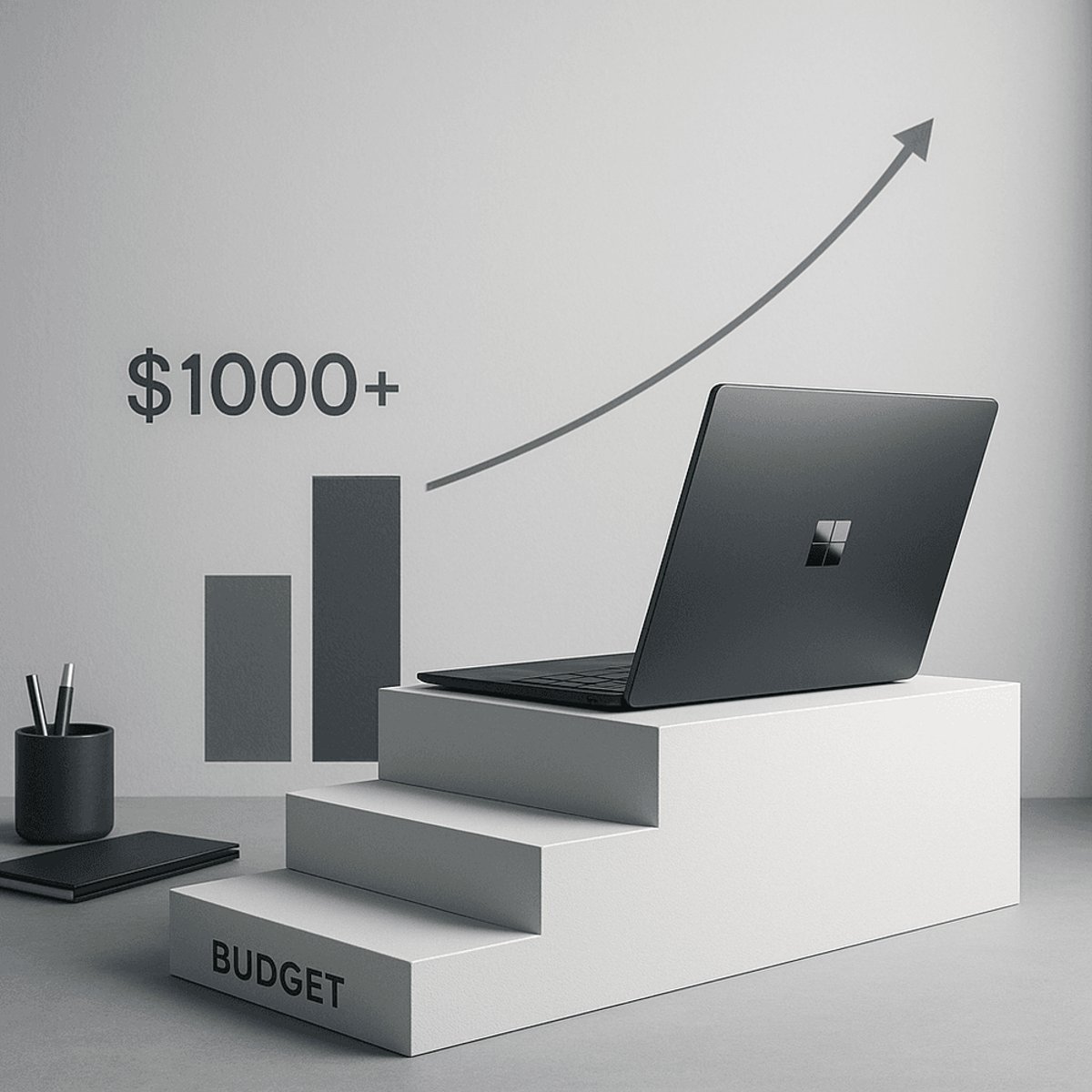
Microsoft just priced out budget-conscious buyers from its entire Surface lineup. The company's pushing through price hikes ranging from $200 to $300 across its PC portfolio while discontinuing every model that previously sold for under $1,000. It's the latest signal that affordable consumer tech is becoming a relic of the past, and Microsoft's betting buyers will stomach the premium.
Microsoft is done competing in the budget PC space. The company just confirmed significant price increases across its Surface lineup while quietly pulling the plug on every model that sold for less than a grand. The cheapest Surface you can buy now starts well above $1,000, marking a dramatic shift in the company's consumer hardware strategy.
The price hikes are substantial. Existing Surface models are seeing increases between $200 and $300, depending on configuration. That pushes even mid-range options into premium territory, competing directly with Apple's MacBook lineup on price if not on brand cachet. For shoppers who've relied on Microsoft's more affordable options, the message is clear - find another brand or open your wallet wider.
What makes this particularly striking is the elimination of the entire budget tier. Microsoft isn't just raising prices on entry-level models - it's abandoning that market segment completely. The Surface Go line, which previously offered a starting point for students and casual users, is gone. The company's betting that its brand can command premium pricing across the board, a risky move in a market where Dell, HP, and Lenovo still compete aggressively on price.
The timing reflects broader industry headwinds. Component costs have been climbing throughout 2026, driven by everything from memory chip shortages to tariffs on imported electronics. But Microsoft's response is more aggressive than most competitors. While other PC makers have absorbed some costs or made incremental adjustments, Microsoft's opting for a clean break with its budget past.
This strategy puts Microsoft in direct competition with Apple's playbook - premium products at premium prices, with no apologies for leaving budget buyers behind. But there's a crucial difference. Apple's built decades of brand loyalty and ecosystem lock-in that justify its pricing. Microsoft's Surface line, despite improvements in design and performance, hasn't achieved that same cultural status. The hardware is well-regarded among critics, but it's never been a must-have the way MacBooks are for many creative professionals.
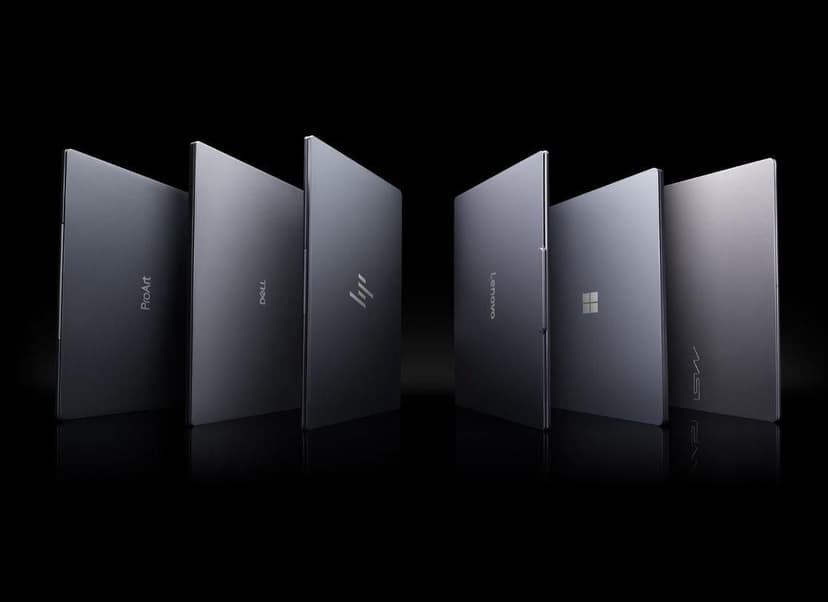
For the broader Windows ecosystem, Microsoft's retreat from affordable hardware creates an opening. Partners like Asus, Acer, and others now own the budget and mid-range Windows PC market without competition from Microsoft's first-party hardware. That might actually be intentional - letting partners handle the low-margin business while Microsoft focuses on showcasing what premium Windows devices can be.
But it also means Microsoft's giving up on using Surface as a volume play. These devices were supposed to demonstrate Windows' capabilities and push the entire ecosystem forward. Hard to do that when your cheapest option costs more than most people want to spend on a PC. The Surface line becomes more of a halo product, influencing the market through design and features that trickle down to partner devices, rather than competing directly across all price points.
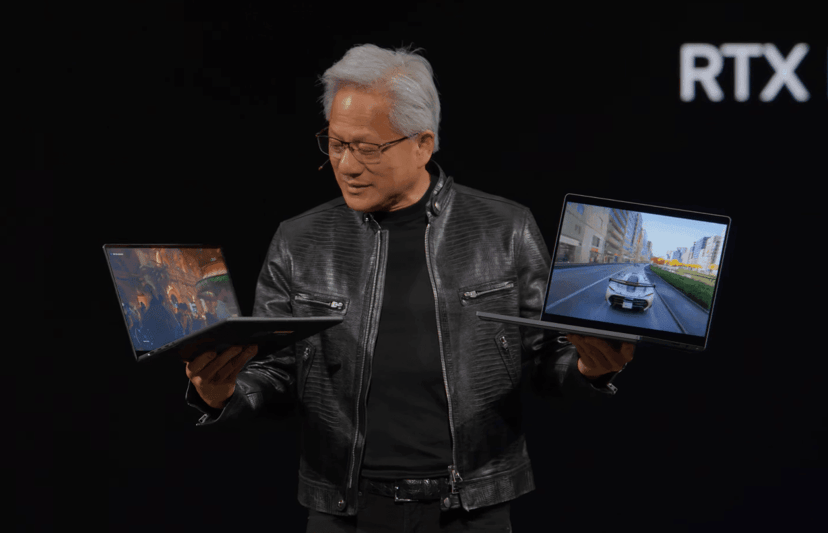
The move comes as consumer tech pricing overall is climbing. Samsung's latest Galaxy devices cost more than previous generations. Graphics cards from Nvidia command eye-watering premiums. Even basic components like SSDs and RAM haven't seen the price drops that defined the 2010s. Microsoft's price hikes are part of a pattern, but they're more aggressive than the market average.
What this means for buyers is stark. If you want a Surface, budget an extra few hundred dollars compared to last year. If you can't stomach that, Microsoft's essentially telling you to look elsewhere. It's a calculated gamble that the Surface brand has enough equity to survive going premium-only.
Microsoft's betting that premium pricing and killing its budget lineup won't alienate the Surface customer base, but it's a risky play in a market where price-conscious buyers have plenty of Windows alternatives. The company's essentially conceding the volume PC market to partners while positioning Surface as an aspirational brand. Whether buyers see enough value to justify $200-$300 more than they paid last year will determine if this strategy works or if Microsoft just shrunk its addressable market by half. For now, if you want a Surface, plan on spending like you're buying a MacBook.
![[Interview] The Future of Screen Experiences, Part ①: Inside Samsung’s Micro RGB TV, Setting a New Standard for Next-Generation Displays](/cdn-cgi/image/width=828,quality=75,format=auto,fit=cover/https://charming-card-d91ad3487b.media.strapiapp.com/Samsung_T_Vs_and_Displays_Micro_RGB_TV_100_BT_2020_Micro_RGB_Color_Booster_Pro_AI_Soccer_Mode_Pro_Interview_main1_6448e09a2c.jpg)


![[Infographic] Samsung AI Appliances Deliver Inclusive Experiences Through Enhanced Accessibility Features](/cdn-cgi/image/width=128,quality=75,format=auto,fit=cover/https://charming-card-d91ad3487b.media.strapiapp.com/file_e6b7515270.png)