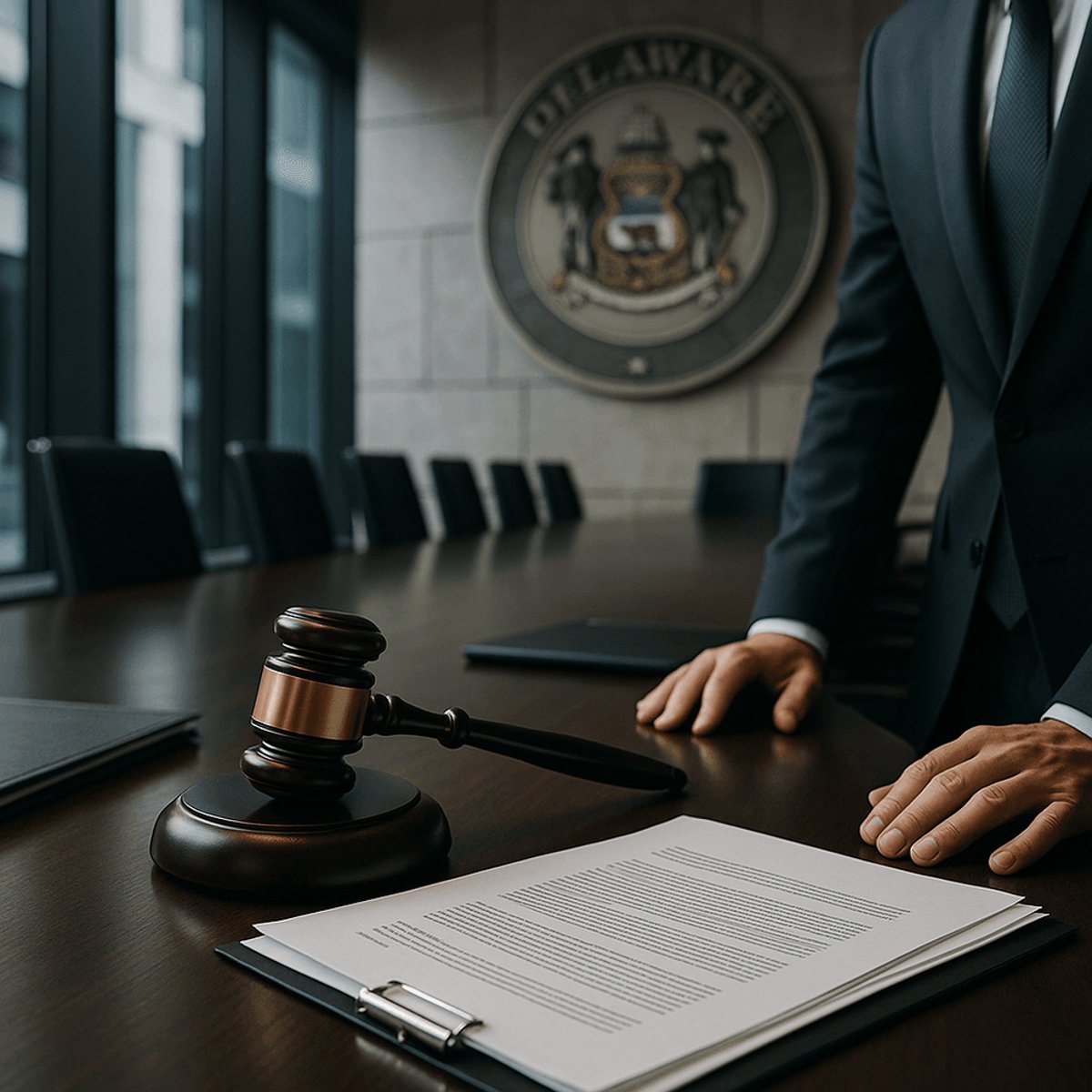
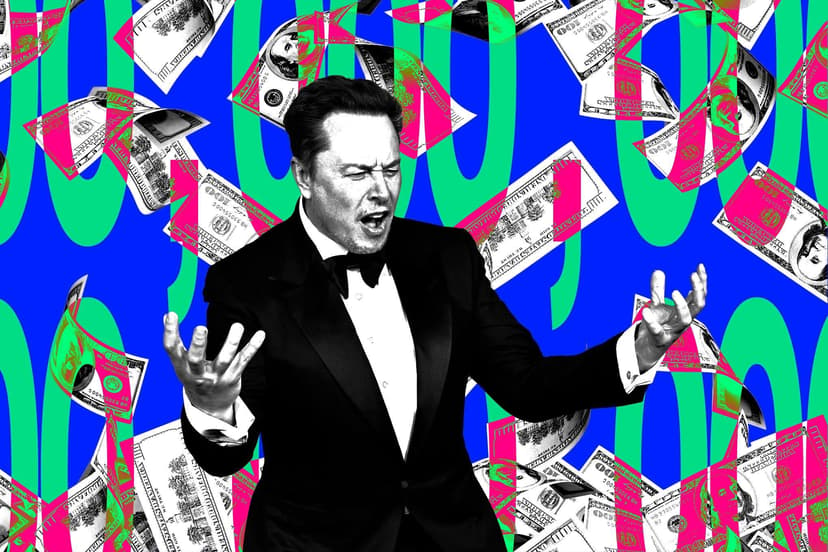
Elon Musk is ramping up his war with Delaware's judiciary. The Tesla and SpaceX CEO filed motions demanding a Delaware judge recuse herself from two pending shareholder lawsuits, alleging bias in what marks his most aggressive legal pushback since the state voided his $56 billion compensation package earlier this year. The move signals Musk's growing frustration with Delaware courts and could influence his ongoing campaign to convince companies to abandon the state's corporate-friendly legal system.
Tesla CEO Elon Musk just threw down the gauntlet in Delaware's courtrooms. Fresh court filings reveal Musk is demanding a judge recuse herself from two shareholder lawsuits winding through the state's Chancery Court system, alleging she can't deliver an impartial ruling. The aggressive legal maneuver comes as Musk's relationship with Delaware's judiciary hits rock bottom.
The recusal demand arrives months after a Delaware judge voided Musk's eye-watering $56 billion Tesla compensation package - the largest executive pay deal in corporate history. That January ruling sent shockwaves through Silicon Valley and triggered Musk's very public campaign against the Delaware court system. He's since used his platform on X (formerly Twitter) to blast the state's judges and urge companies to flee to Texas or Nevada.
While the specific shareholder cases weren't detailed in the available court documents, the timing is telling. Musk has faced multiple derivative suits from Tesla investors challenging everything from his board relationships to his divided attention across multiple companies. These cases typically allege breaches of fiduciary duty - claims that Delaware's specialized business courts have historically been equipped to handle.
But Musk clearly believes he won't get a fair shake. His legal team is arguing the judge in question has demonstrated bias that compromises her ability to oversee the cases impartially. It's a high-stakes legal gambit that rarely succeeds - judges are presumed impartial unless compelling evidence suggests otherwise.
The broader context matters here. Delaware has long dominated corporate law as the incorporation destination for roughly two-thirds of Fortune 500 companies, including most major tech firms. Its Court of Chancery specializes in business disputes, offering predictability and expertise that companies value. But Musk's very public feud threatens to crack that foundation.
Since the pay package ruling, Tesla has already reincorporated in Texas following a shareholder vote Musk championed. He's encouraged other CEOs to follow suit, arguing Delaware courts have become hostile to business interests. Whether other companies bite remains uncertain, but Musk's influence in tech circles makes his campaign impossible to ignore.
Legal experts note that judicial recusal motions face steep odds. The Delaware judiciary has built its reputation on impartiality and business-friendly rulings over decades. Proving actual bias requires more than disagreeing with past decisions - it demands evidence of personal conflicts or prejudgment that compromises the judicial process.
What's particularly notable is that Musk is pursuing this strategy across multiple cases simultaneously. Rather than fighting individual battles, he appears to be mounting a systematic challenge to Delaware's authority over his corporate affairs. It's classic Musk - turning a legal dispute into a broader crusade.
The shareholder lawsuits themselves represent ongoing governance tensions at Tesla. Investors have questioned Musk's time commitments given his roles leading SpaceX, managing X, and launching ventures like Neuralink and The Boring Company. Delaware courts have traditionally scrutinized such conflicts, which may explain why Musk is eager to move his legal battles elsewhere.
For Delaware, the stakes extend beyond one billionaire's grievances. If Musk successfully persuades companies to abandon the state, it could undermine Delaware's lucrative corporate franchise system. The state collects substantial revenue from incorporation fees and related legal activity - making this more than just a legal squabble.
Industry watchers are paying close attention to how Delaware's judiciary responds. Granting the recusal motion would validate Musk's bias claims and potentially open floodgates for similar challenges. Denying it firmly reinforces judicial independence but risks fueling Musk's narrative that Delaware courts are stacked against him.
Musk's recusal demand represents more than courtroom theatrics - it's part of his larger campaign to reshape corporate governance norms and challenge Delaware's century-long dominance over American business law. Whether the motion succeeds or fails, it signals that Musk isn't backing down from his fight with the Delaware judiciary. Tech CEOs watching from the sidelines will likely use this case as a barometer for their own incorporation decisions. The outcome could determine whether Delaware maintains its corporate law monopoly or whether Musk succeeds in fracturing the system that's governed American business for generations.