The world's largest contract chipmaker just posted numbers that confirm what the semiconductor industry has been betting on: AI isn't slowing down. TSMC announced second-quarter profits jumped over 77% year-over-year, crushing analyst estimates as demand for high-end chips used in AI data centers continues to outpace supply. The Taiwanese giant's blockbuster earnings, following strong June revenue figures released earlier this week, signal that the AI infrastructure buildout is accelerating faster than even the most bullish projections.
TSMC just delivered the kind of earnings report that sends ripples through the entire tech ecosystem. The Taiwan Semiconductor Manufacturing Company's second-quarter profit jumped over 77% compared to the same period last year, handily beating analyst expectations and confirming what insiders have been whispering for months - the AI chip gold rush shows no signs of cooling.
The announcement comes on the heels of strong June revenue figures that TSMC released earlier this week, painting a picture of a company firing on all cylinders. For a manufacturer that produces chips for everyone from Apple to Nvidia, these numbers offer a rare window into the actual state of AI demand beyond the hype cycles and conference keynotes.
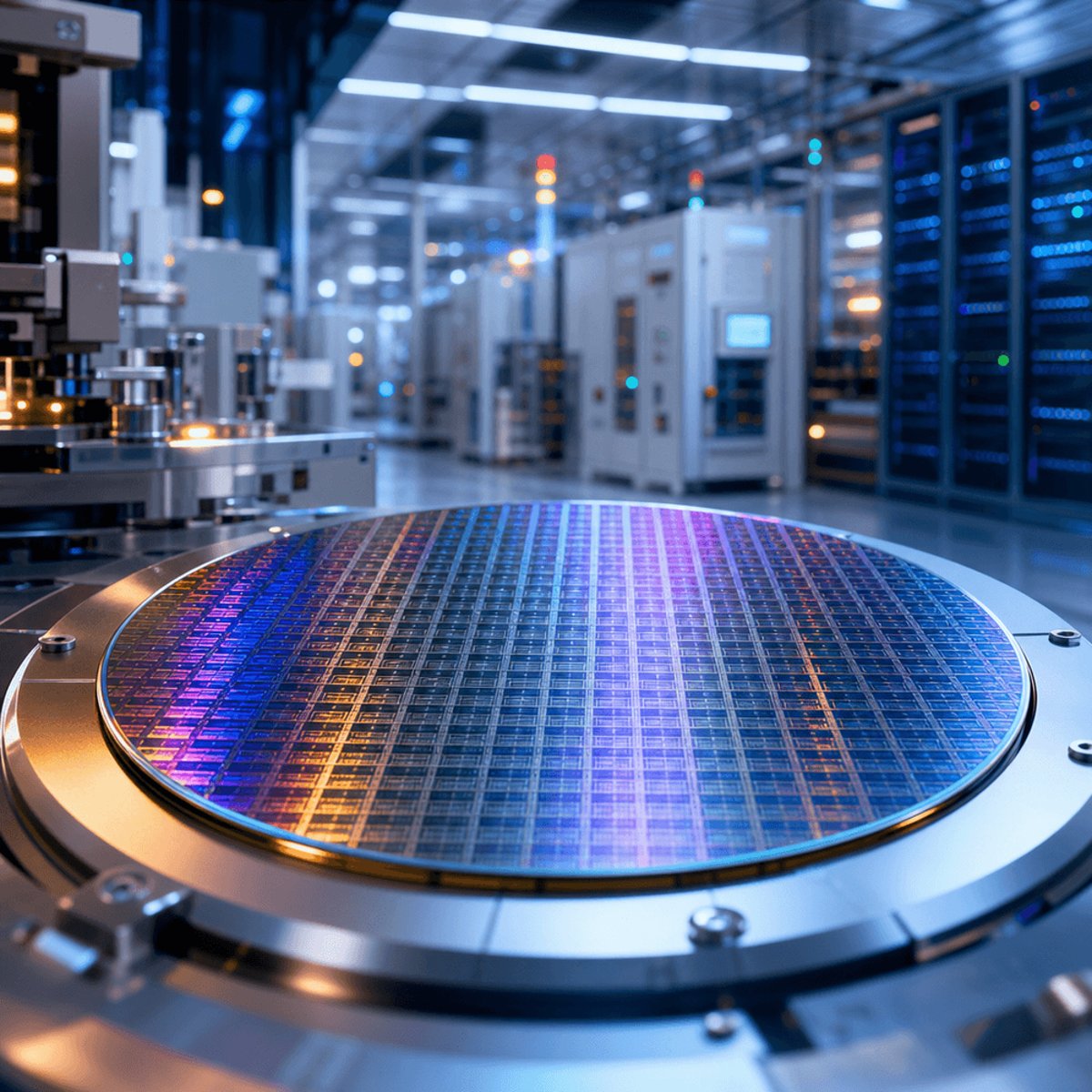
What's driving this explosive growth? Advanced process nodes. TSMC's cutting-edge 3-nanometer and 5-nanometer manufacturing capabilities have become the backbone of the AI revolution. Every major AI accelerator, from Nvidia's latest Hopper architecture to custom silicon from cloud giants, relies on TSMC's ability to pack more transistors into smaller spaces. The company's technological moat has never looked wider.
The timing couldn't be more significant. While some analysts have questioned whether AI spending will maintain its breakneck pace, TSMC's results suggest hyperscalers and chipmakers are doubling down. Nvidia alone has been scrambling to secure more wafer capacity, with reports indicating the company has locked in production commitments extending well into next year. Apple is reportedly pushing TSMC to ramp up production of its next-generation M-series chips, which power everything from MacBooks to the company's AI initiatives.
But it's not just about volume. TSMC's pricing power has strengthened as demand for advanced nodes outstrips supply. The company can command premium prices for its most sophisticated manufacturing processes, driving both revenue growth and expanding margins. This is the semiconductor equivalent of printing money, assuming you've invested billions in the fabrication technology to make it possible.
The geopolitical dimension adds another layer to this story. TSMC's dominance in advanced chipmaking has made it one of the most strategically important companies on the planet. The U.S. has pushed the Taiwanese giant to build facilities in Arizona, while China views the company as critical to its technological ambitions. These Q2 results underscore why TSMC sits at the center of the global tech competition.
Looking at the competitive landscape, TSMC's lead over rivals like Samsung and Intel appears to be growing rather than shrinking. Samsung has struggled with yield issues on its advanced nodes, while Intel's foundry ambitions remain years away from challenging TSMC's position. The company's combination of technical execution, customer relationships, and capital investment creates a flywheel that's difficult for competitors to disrupt.
The implications extend beyond TSMC's balance sheet. These earnings validate the massive capital expenditures flowing into AI infrastructure. If TSMC is this busy, it means companies are actually deploying AI systems at scale, not just experimenting. The chips have to go somewhere, and that somewhere is data centers humming with AI workloads from training large language models to running inference at scale.
Investors are paying attention. TSMC's stock has been on a tear, and these results will likely fuel further gains. The company's forward guidance will be critical - any indication that this momentum continues into the second half of 2026 could spark another leg up in semiconductor valuations. Conversely, any hints of softening demand would send shockwaves through the AI investment thesis.
What makes this particularly interesting is the contrast with other parts of the tech sector. While consumer electronics have seen mixed results and enterprise software faces tough comparisons, the picks-and-shovels semiconductor play continues to deliver. TSMC doesn't need to predict which AI company will win - it sells to all of them.
The company's capital intensity means these profits will get plowed back into new fabrication facilities and next-generation process technology. TSMC is already working on 2-nanometer production, with 1.4-nanometer and beyond on the roadmap. Each generation requires tens of billions in investment, but these results prove the returns justify the spending.
TSMC's 77% profit surge isn't just a strong earnings beat - it's a signal that the AI infrastructure buildout is real and accelerating. As the foundry for the world's most advanced chips, TSMC's results offer the clearest evidence yet that companies are translating AI ambitions into actual hardware deployments at massive scale. With technological leadership widening, customer demand outpacing supply, and no credible competitors on the horizon for advanced nodes, TSMC's position as the linchpin of the AI revolution looks more secure than ever. The question now isn't whether AI will drive semiconductor growth, but how long TSMC can maintain this blistering pace before capacity constraints force customers to get even more creative about securing allocation.