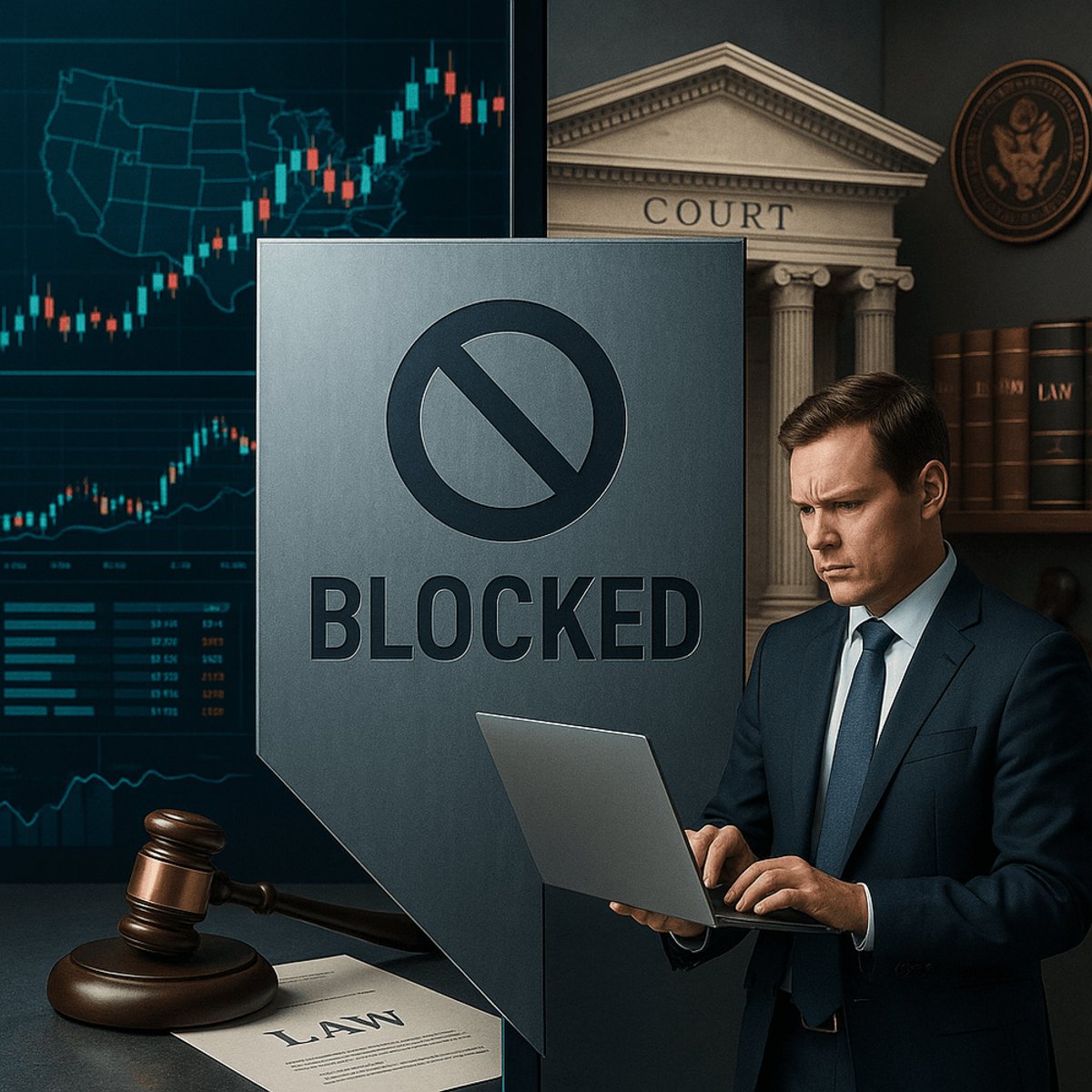
Prediction market startup Kalshi just hit a regulatory wall in America's gambling capital. A Nevada judge ordered the company to immediately cease offering sports and election betting contracts in the state, marking the first major legal shutdown for the fast-growing platform. The ruling intensifies a broader regulatory crackdown on prediction markets that's been building since Kalshi won the right to offer election betting last year, potentially threatening the company's core business model in one of the few states where gambling is deeply embedded in the economy.
Kalshi, the prediction market platform that's been pushing the boundaries of legal betting in the U.S., just got blocked in the one state where you'd think gambling would fly under the radar. A Nevada judge issued an order forcing the company to immediately stop offering sports and election contracts, according to Wired.
The timing couldn't be worse for Kalshi. The New York-based startup has been riding high since winning a landmark legal battle with the Commodity Futures Trading Commission in 2024 that allowed it to offer election betting contracts. That victory opened the floodgates for prediction markets, with Kalshi reporting explosive growth as users piled in to bet on everything from presidential races to Congressional control.
But Nevada regulators apparently see things differently than federal overseers. The state's gambling infrastructure, built over decades to strictly control who can take bets and how, doesn't have much room for upstart fintech platforms operating under federal derivatives rules rather than state gaming licenses.
The court order specifically targets Kalshi's sports and election contracts, the two categories that most closely resemble traditional sports betting and political wagering. It's a temporary ban for now, but it signals how states might push back against prediction markets even when they have federal regulatory approval. Nevada isn't just any state when it comes to gambling - it's the jurisdiction that wrote the playbook on how to regulate betting operations.
Kalshi's legal strategy has always been to position itself as a CFTC-regulated derivatives exchange rather than a gambling platform. That distinction matters because it theoretically places the company under federal jurisdiction for commodities trading instead of state-by-state gambling regulations. The company offers contracts on economic indicators, weather events, and cultural predictions alongside its more controversial political and sports offerings.
The Nevada decision suggests state regulators aren't buying that argument. If Kalshi is letting residents bet on who wins the Super Bowl or the next election, it looks an awful lot like the sports betting and political wagering that Nevada's licensed casinos and sportsbooks are already offering under strict state oversight.
This creates a messy jurisdictional fight. Kalshi can point to its CFTC registration and argue federal law preempts state gambling regulations. Nevada can counter that it has sovereign authority to protect its citizens from unlicensed gambling operations and preserve its carefully regulated gaming industry. Courts will have to sort out which argument wins.
The broader prediction market industry is watching closely. Kalshi isn't the only player in this space - competitors like Polymarket have faced their own regulatory challenges, with Polymarket settling CFTC charges and blocking U.S. users in 2022. If states start systematically banning prediction markets, it could strangle the industry before it really gets going.
There's also a competitive angle here. Nevada's casinos and licensed sportsbooks have invested billions in compliance infrastructure and pay substantial taxes and fees for the privilege of taking bets. They're not thrilled about tech startups offering similar products without playing by the same rules. Industry groups representing traditional gambling operators have been lobbying hard against prediction markets.
Kalshi raised over $30 million from investors betting the company could navigate these regulatory minefields. The startup's pitch has been that prediction markets serve a legitimate economic function by aggregating information and allowing people to hedge real-world risks. But when you're offering contracts on NFL games, that argument gets harder to make with a straight face.
The immediate impact is that Nevada residents can't use Kalshi's platform for sports or election betting anymore. The company will likely appeal and seek to stay the order while fighting it in court. But every day the ban stays in place is lost revenue and momentum.
What happens next depends on how aggressively other states follow Nevada's lead. If this becomes a template for shutting down prediction markets at the state level, Kalshi and its competitors will face a fragmented regulatory landscape that could make national operations nearly impossible. The alternative is a quick legal resolution that either validates Kalshi's federal preemption argument or forces the company to pursue state gambling licenses like everyone else.
Nevada's ban on Kalshi is more than a local setback - it's the opening salvo in what could become a state-by-state war over prediction markets. The company's federal regulatory approval clearly isn't a shield against state enforcement, and that reality threatens to complicate operations for the entire industry. How Kalshi responds in court and whether other states pile on will determine if prediction markets can actually scale in the U.S. or if they'll be strangled by the same patchwork gambling regulations that took years for sports betting to navigate. For now, the message is clear: winning in Washington doesn't mean you've won everywhere.