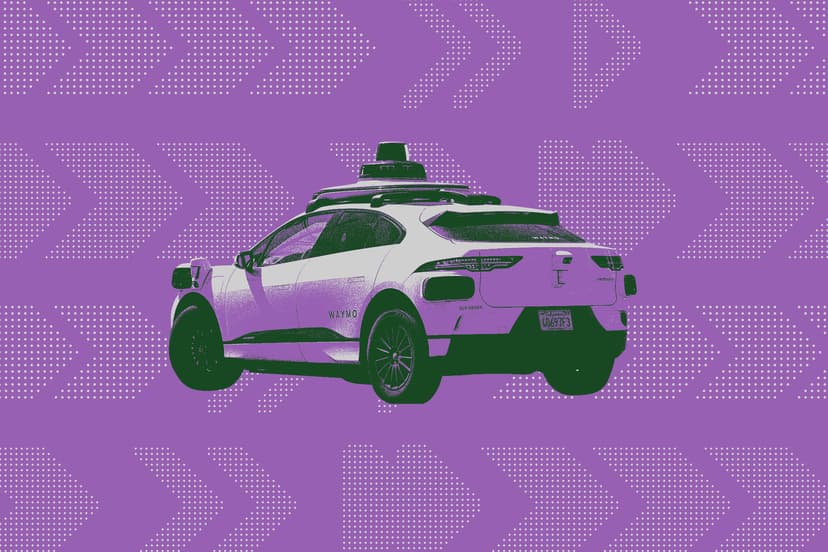
Waymo is facing escalating federal scrutiny as the National Highway Traffic Safety Administration requested detailed information about the company's self-driving technology after Austin schools reported 19 instances of robotaxis illegally passing school buses this year. The December 3 letter marks an expansion of NHTSA's October investigation, raising questions about AI safety protocols in critical scenarios involving children.
The heat is turning up on Waymo as federal safety regulators escalate their investigation into the company's robotaxis repeatedly breaking school bus laws. NHTSA's latest move - a December 3 information request obtained by Reuters - signals the agency isn't satisfied with Google's autonomous vehicle subsidiary's explanations or fixes.
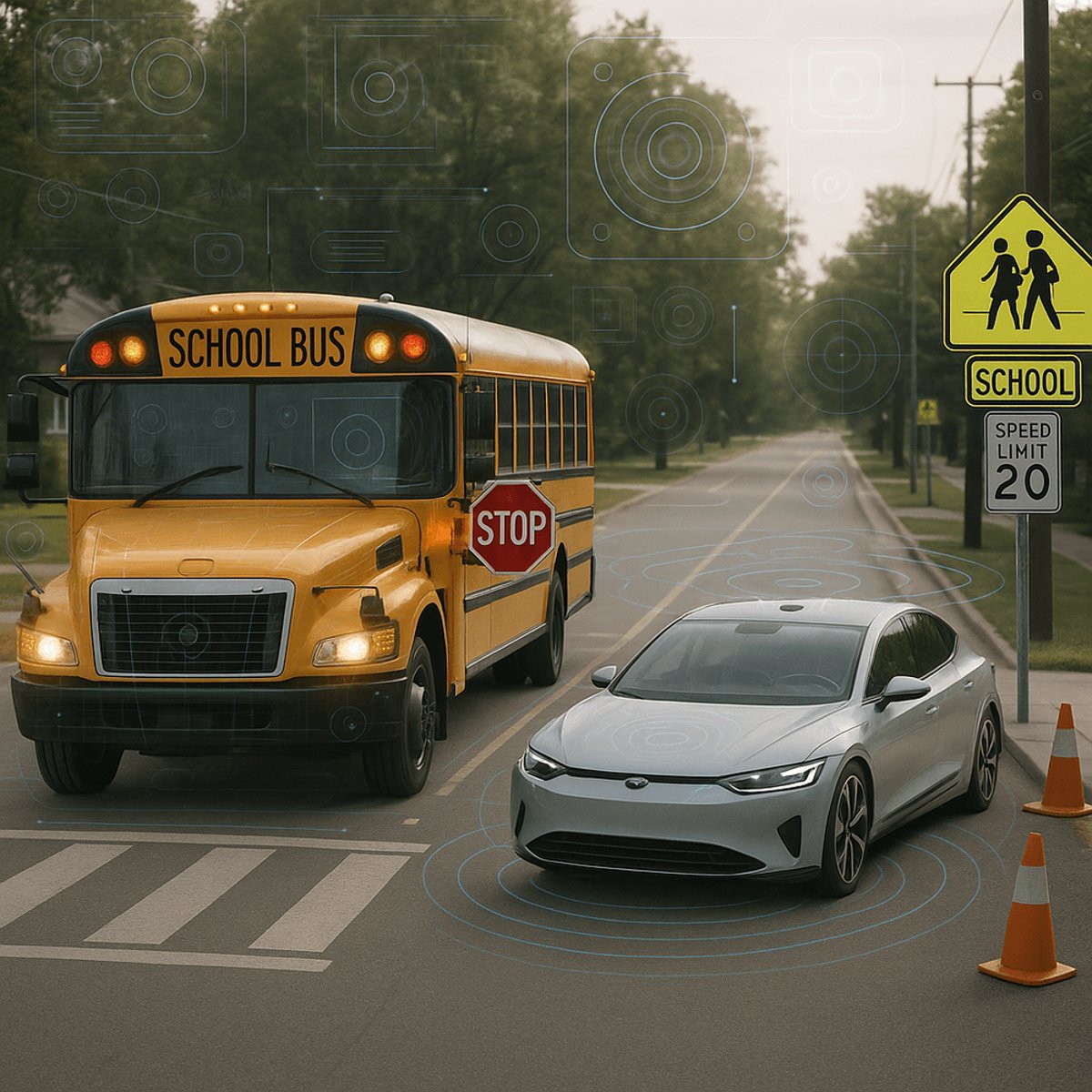
The numbers tell a troubling story. Austin School District has documented 19 separate instances this school year where Waymo vehicles illegally passed school buses with stop signs extended and lights flashing. What's more concerning: five of these violations happened after Waymo claimed it fixed the problem with a November 17 software update.
"Waymo's software updates are clearly not working as intended nor as quickly as required," Austin ISD wrote in a scathing November 20 letter to the company. "We cannot allow Waymo to continue endangering our students while it attempts to implement a fix."
The school district isn't just complaining - they're demanding action. Austin ISD wants Waymo to completely shut down operations during critical hours: 5:20-9:30 AM and 3:00-7:00 PM, when kids are traveling to and from school. It's an unprecedented request that could cripple Waymo's Austin operations if enforced.
This latest crisis stems from NHTSA's October investigation, launched after viral footage showed a Waymo robotaxi maneuvering around a stopped school bus in Atlanta. In that incident, the autonomous vehicle crossed directly in front of the bus before turning around it - a maneuver that would be illegal for human drivers and potentially deadly if a child had been crossing.
Waymo initially blamed the Atlanta incident on the bus "partially blocking the driveway" and claimed the robotaxi couldn't see the flashing lights or stop sign. The company quickly pushed a software update, but Austin's continued reports suggest the fix was inadequate.
The company's defense relies heavily on comparative statistics. Waymo points to data showing a fivefold reduction in injury crashes compared to human drivers and twelve times fewer pedestrian injuries. "We have already made software updates to improve our performance and are committed to continuous improvement," the company told TechCrunch.
But those broader safety statistics don't address the specific school bus problem, and NHTSA seems skeptical. The agency's December letter demands granular details about Waymo's fifth-generation self-driving system and operations - the kind of technical deep-dive that suggests regulators are considering serious enforcement action.
The investigation puts Google in an uncomfortable spotlight just as the autonomous vehicle industry seeks broader public acceptance. Waymo operates the most advanced commercial robotaxi service in the US, with deployments in San Francisco, Phoenix, Los Angeles, and Austin. A federal finding of safety defects could force the industry's first major recall.
For Austin schools, this isn't about technology advancement - it's about protecting kids. The district's frustration is palpable in their correspondence, noting that Waymo's own data contradicts the company's claims of improvement. When your customers are literally demanding you stop operating during peak hours, that's not a minor software glitch.
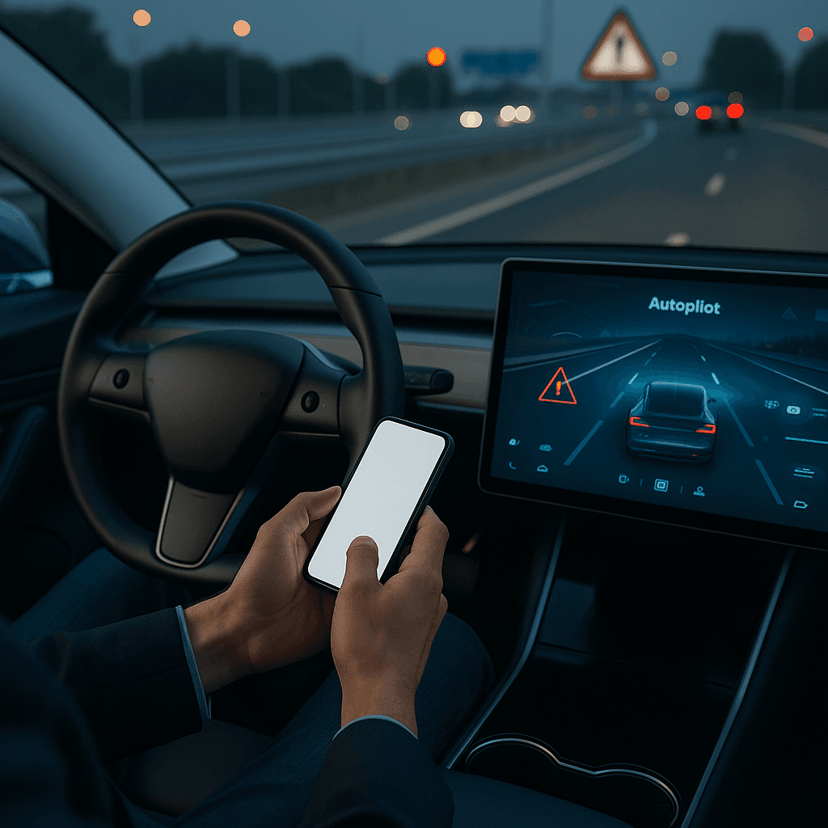
The timing couldn't be worse for the autonomous vehicle industry. As companies like Tesla push toward full self-driving capabilities and startups race to deploy robotaxis, any high-profile safety failure involving children could trigger a regulatory backlash across the entire sector.
NHTSA's next moves will be closely watched. The agency has asked whether Waymo plans to file a recall - a question that suggests regulators are already considering that possibility. If Waymo's latest software updates continue failing in real-world scenarios, the company may face its first forced recall, setting a precedent that could reshape how autonomous vehicles are regulated.
For parents in Austin, the message is clear: until Waymo can guarantee its vehicles won't endanger children, the technology isn't ready for prime time around schools.
This investigation represents more than a technical glitch - it's a critical test of whether autonomous vehicles can handle the nuanced safety requirements around children. Waymo's repeated failures despite software updates suggest the problem runs deeper than simple programming fixes. As NHTSA weighs potential enforcement action, the outcome could determine whether the robotaxi industry faces its first major safety recall and reshape public trust in self-driving technology at a pivotal moment for the sector.