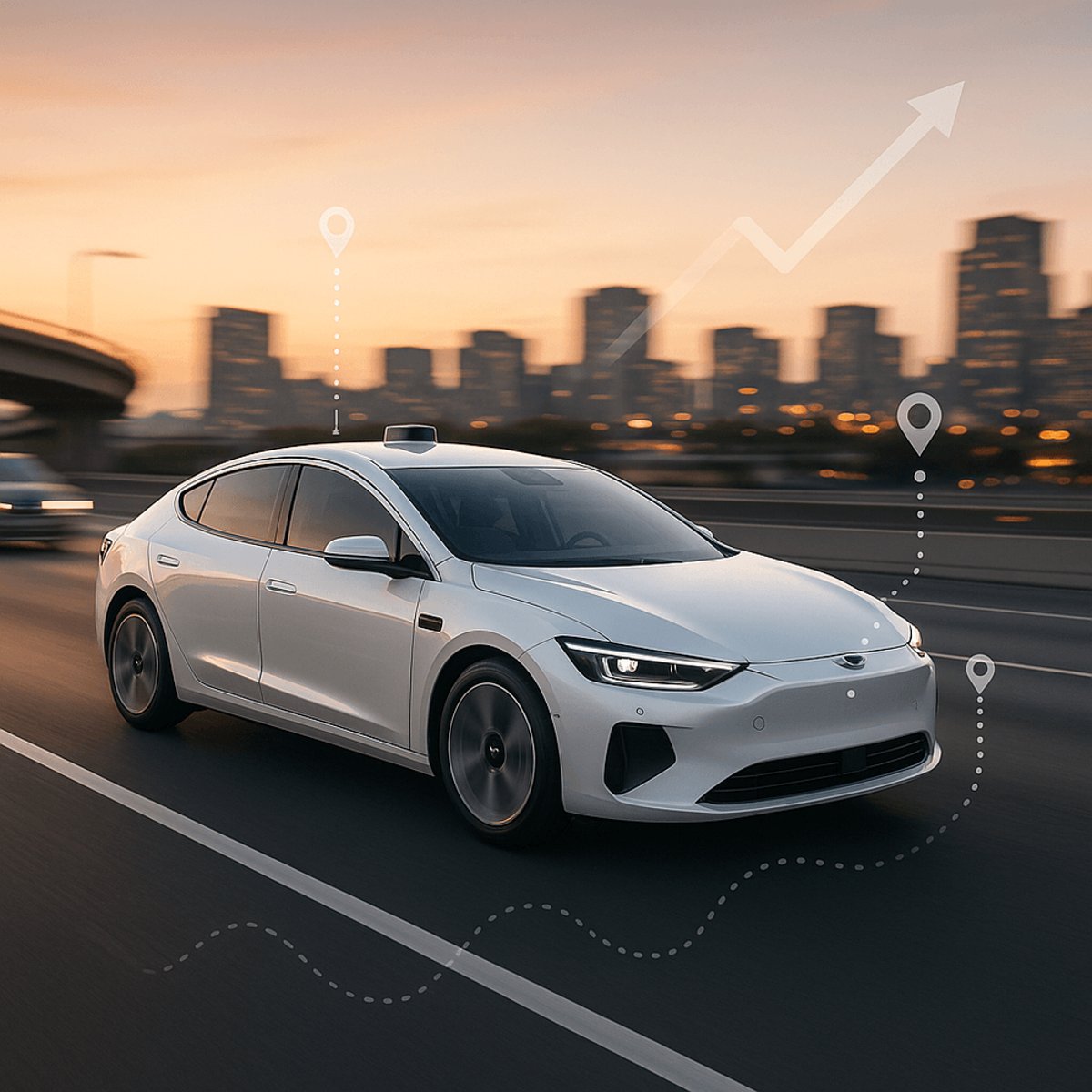
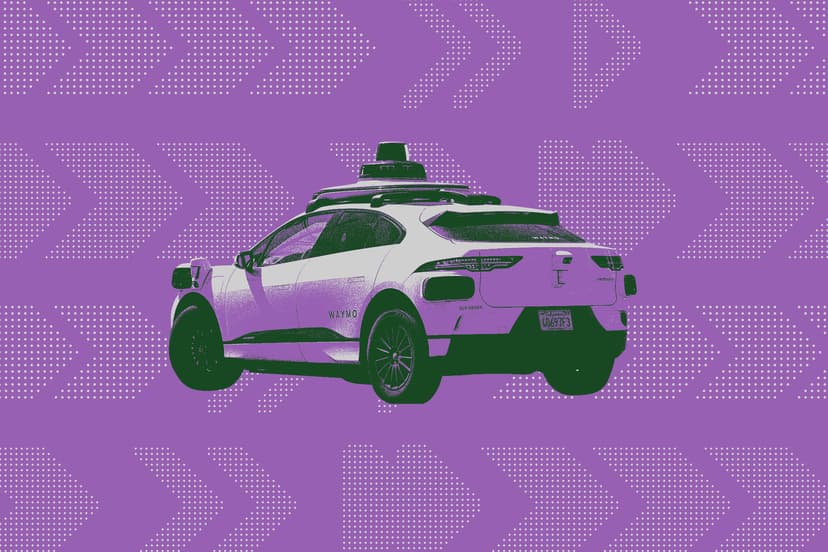
Waymo just hit a massive milestone that puts Tesla further in its rearview mirror. Alphabet's robotaxi unit crossed 450,000 weekly paid rides according to investor documents, nearly doubling its April numbers while expanding aggressively across American cities. The surge comes as the autonomous vehicle market heats up and competition intensifies.
The robotaxi wars just shifted into overdrive. Waymo crossed 450,000 weekly paid rides, a staggering jump that nearly doubles the 250,000 rides it reported just eight months ago. The milestone emerged from Tiger Global's investor letter announcing a new fund, where the investment firm called Alphabet's autonomous unit "the clear leader in autonomous driving."
The numbers tell a compelling story of rapid scaling. When Waymo announced its 250,000 weekly rides milestone in April, it felt like a significant achievement. But doubling that figure in less than a year signals something bigger - the autonomous vehicle market isn't just growing, it's accelerating at breakneck speed.
Tiger Global isn't just talking numbers. The investment giant positioned Waymo as "10x safer than human drivers" while revealing it's become one of their largest positions in their 2024 fund. That's serious money backing serious confidence in autonomous technology, especially when major investors are getting increasingly selective about their bets.
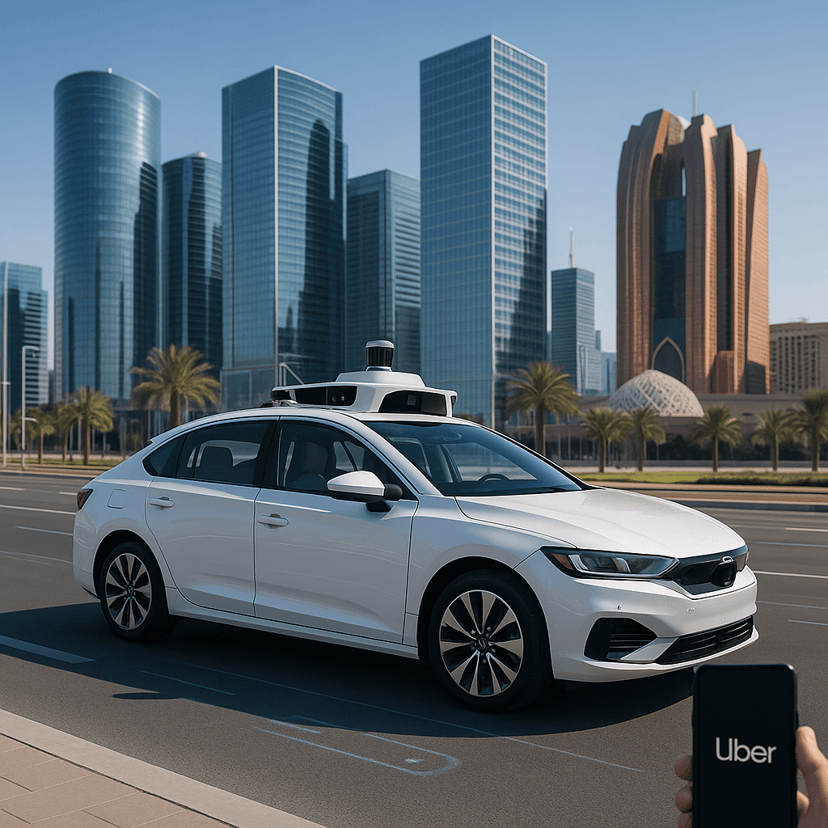
While Waymo celebrates this milestone, the expansion story might be even more impressive. This year alone, the company launched freeway operations in three cities and rolled into Miami, Dallas, Houston, San Antonio and Orlando. Each new market represents months of mapping, testing, and regulatory approval - the unglamorous work that makes autonomous vehicles possible.
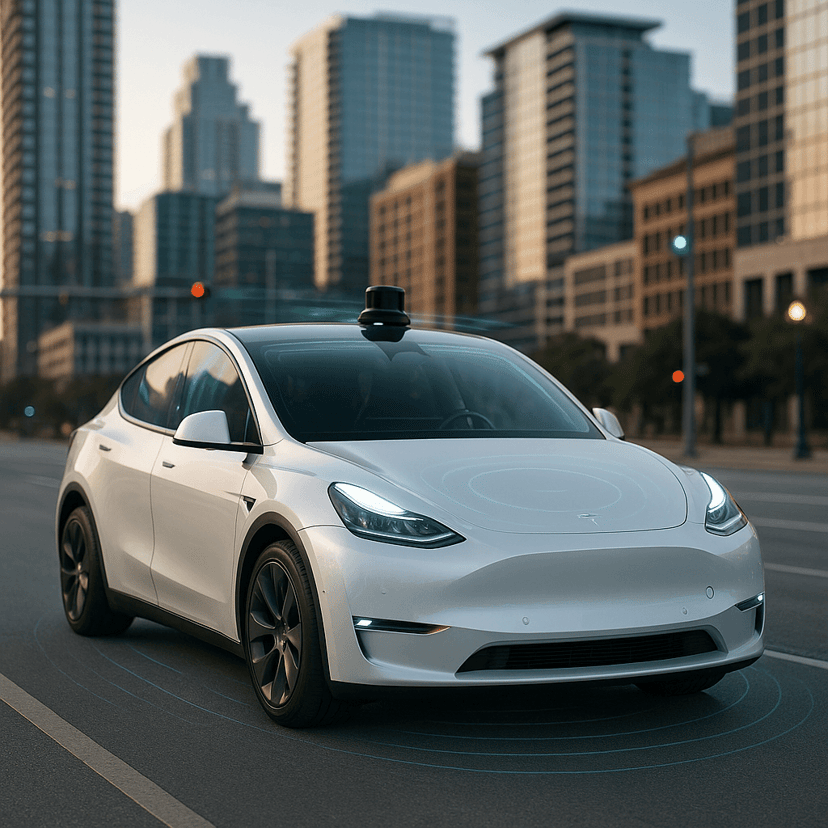
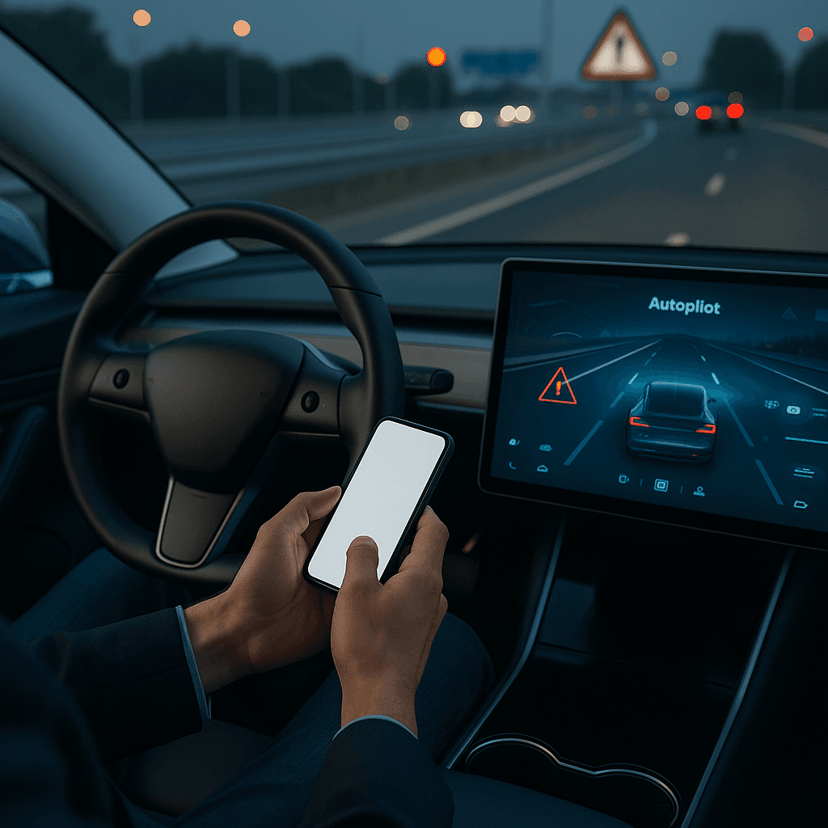
The competitive landscape tells an interesting tale. Tesla's approach remains dramatically different, with limited pilots showing 250,000 miles driven in Austin and over one million in the Bay Area. But there's a crucial distinction - those are total miles, not weekly paid rides. Tesla's focusing on data collection and validation, while Waymo's building a commercial operation.
That difference becomes stark when you consider Waymo announced 100 million total autonomous miles back in July. The company's been quietly accumulating real-world driving data while simultaneously scaling its commercial service. It's the kind of dual-track strategy that's incredibly difficult to execute but potentially game-changing when it works.
The investor enthusiasm around Waymo reflects broader confidence in the autonomous vehicle sector. While many promised self-directing cars for years, Waymo's actually delivering rides to paying customers across multiple markets. There's something powerful about that tangible progress when so much of tech remains theoretical.
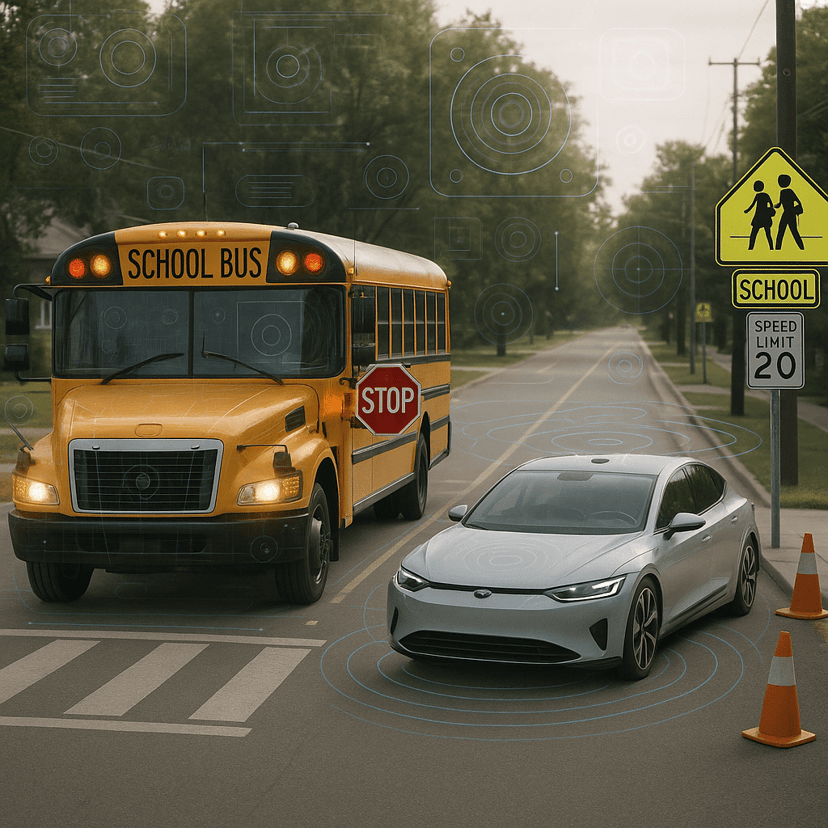
But the road ahead isn't without challenges. Regulatory hurdles remain significant, public acceptance varies by market, and the technical complexity of autonomous driving in diverse urban environments can't be understated. Weather conditions, construction zones, and unpredictable human behavior continue testing these systems daily.
Yet Waymo's momentum feels undeniable. The company's methodical approach - extensive testing, gradual expansion, safety-first mentality - appears to be paying dividends. While competitors chase flashier announcements or promise revolutionary breakthroughs, Waymo's building a business one ride at a time.
The implications extend beyond just transportation. As autonomous vehicles prove their commercial viability, we're likely seeing the beginning of broader infrastructure changes, regulatory shifts, and even urban planning adaptations. Cities will need to accommodate these vehicles, and consumers will need to adjust their transportation habits.
Waymo's 450,000 weekly rides milestone isn't just impressive numbers - it's proof that autonomous vehicles are crossing from experimental technology into commercial reality. While Tesla and others chase different strategies, Waymo's methodical expansion across American cities demonstrates that the robotaxi future might arrive sooner than expected. For investors, consumers, and competitors alike, these aren't just rides - they're data points showing how quickly transportation could fundamentally change.