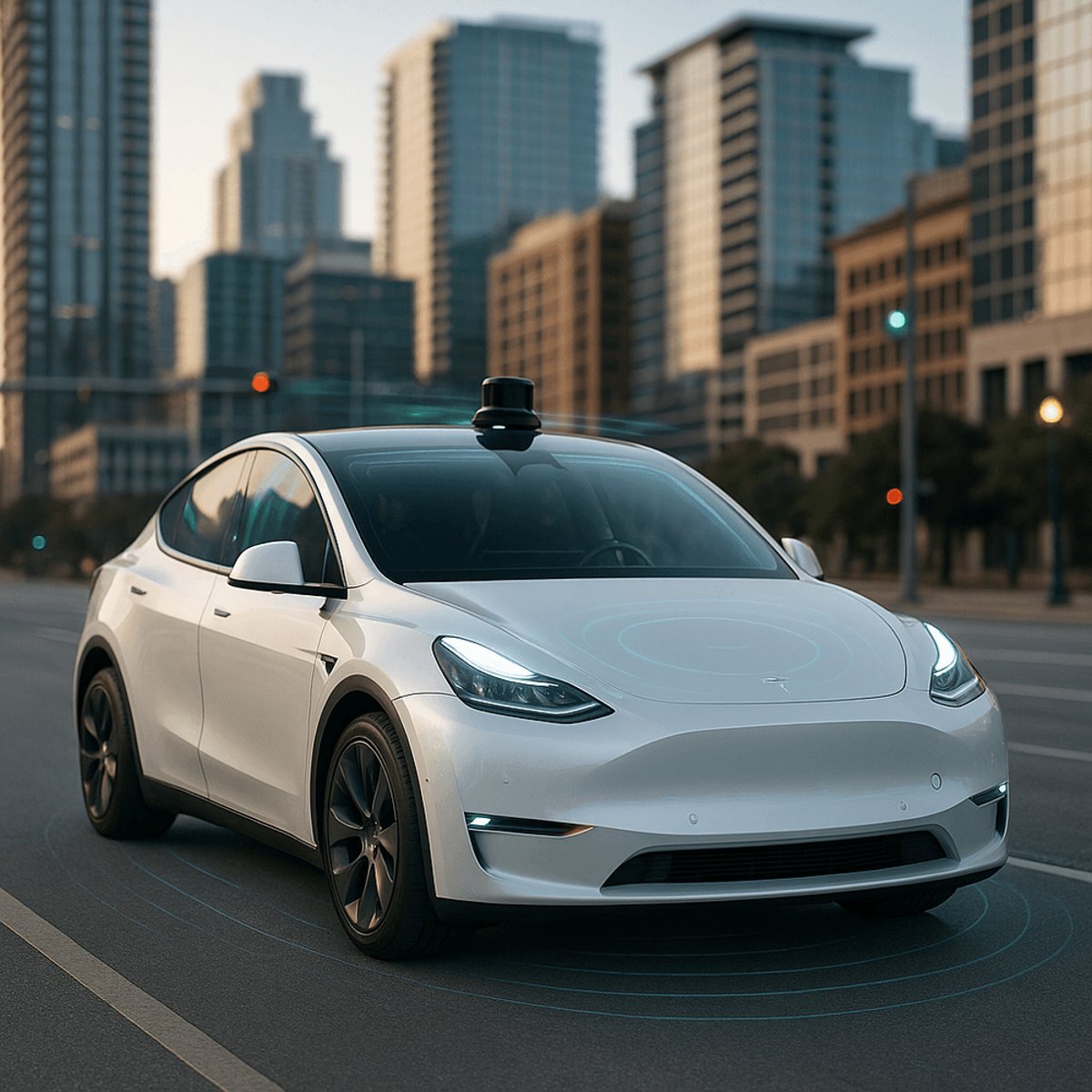
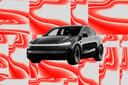
Tesla just took the safety wheels off. The automaker is now offering fully driverless robotaxi rides in Austin with no human safety monitor behind the wheel, CEO Elon Musk announced Thursday. It's a bold leap for a company that's faced years of scrutiny over its autonomous driving claims, and it puts Tesla in direct competition with Waymo and Zoox in the high-stakes race to commercialize self-driving tech. After months of testing with safety drivers on board, Tesla's betting its AI is ready for passengers to ride solo.
Tesla just made its biggest autonomous bet yet. The company started offering fully driverless robotaxi rides in Austin on Thursday, with no safety operator in the front seat to grab the wheel if something goes wrong. CEO Elon Musk broke the news on X, his social media platform, writing: "Just started Tesla Robotaxi drives in Austin with no safety monitor in the car. Congrats to the Tesla AI team!"
It's a milestone that's been years in the making, and one that immediately puts Tesla in the same league as Waymo and Zoox, both of which already operate commercial driverless taxi services. But Tesla's path here has been rocky. The company launched its Austin robotaxi program back in June 2025 with safety drivers in the passenger seat, offering rides to influencers and handpicked customers. Then in December, it started testing without any safety driver at all.
Now those tests have graduated to public rides. According to Tesla AI lead Ashok Elluswamy, the company is "starting with a few unsupervised vehicles mixed in with the broader robotaxi fleet with safety monitors, and the ratio will increase over time." That's a cautious approach, but it's also standard industry practice. When Waymo expanded its driverless operations in San Francisco and Phoenix, it similarly started with a small fleet before scaling up.
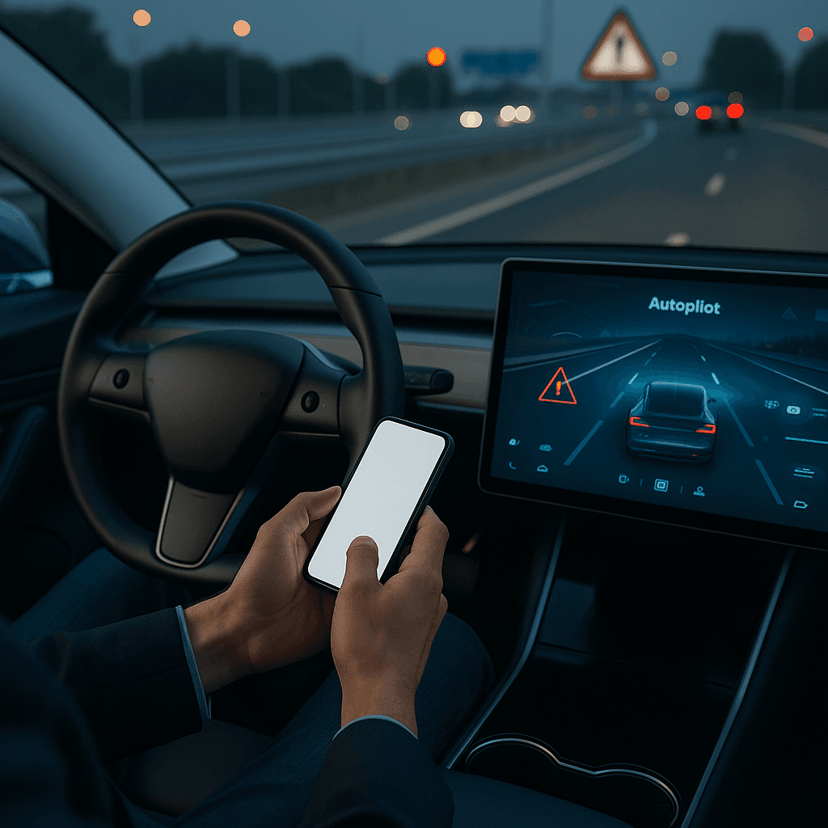
The timing is notable. Tesla's been under intense pressure to deliver on Musk's long-standing promise of full self-driving capability. The company has sold hundreds of thousands of "Full Self-Driving" software packages to consumers, but the feature still requires active driver supervision and hasn't achieved true autonomy. This Austin deployment represents Tesla's first real-world test of whether its camera-based vision system can handle the chaos of public roads without a human backup.
That's where Tesla diverges sharply from competitors. While Waymo and Zoox rely on lidar sensors and high-definition maps, Tesla uses only cameras and neural networks trained on vast amounts of driving data. Musk has long argued this approach is more scalable and closer to how humans drive. Critics say it's riskier, especially in edge cases where cameras might struggle with lighting or weather conditions.
Musk didn't miss the chance to turn the announcement into a recruiting pitch. He followed up his X post by calling for engineers interested in "solving real-world AI," which he claims will "likely lead to AGI" - artificial general intelligence. It's classic Musk hyperbole, but it also signals how central autonomous driving has become to Tesla's AI ambitions beyond just cars.
One big question remains unanswered: Is Tesla charging for these rides? The company hasn't disclosed pricing, and attempts to reach Tesla for comment went unanswered - the automaker famously disbanded its press office years ago. For context, both Waymo and Zoox offered free rides during their initial driverless rollouts before introducing paid fares. If Tesla follows that playbook, it might be using this phase to gather data and iron out operational kinks before monetizing.
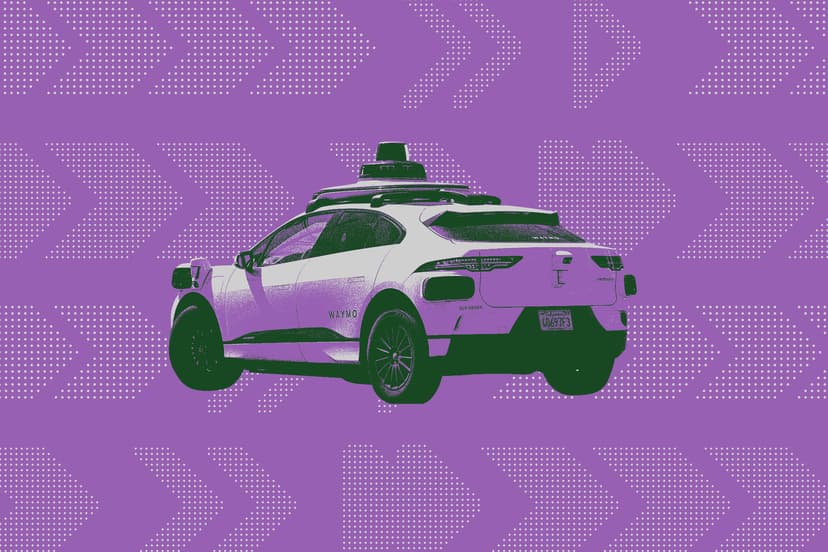
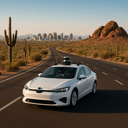
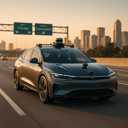
The competitive landscape is getting crowded fast. Waymo now operates in multiple cities including San Francisco, Phoenix, and Los Angeles, completing over 100,000 paid rides weekly according to recent reports. Amazon-backed Zoox launched its purpose-built robotaxi in Las Vegas and San Francisco. Even GM's Cruise is attempting a comeback after suspending operations in 2023 following a pedestrian accident.
What sets Tesla apart is scale. The company already has millions of vehicles on the road collecting real-world driving data through its Autopilot and FSD systems. That data advantage could help Tesla's AI improve faster than rivals, assuming the company can prove its technology is safe enough for regulators and the public. Austin serves as the perfect testing ground - Texas has relatively light autonomous vehicle regulations compared to California, and the city's been friendly to Tesla since the company moved its headquarters there.
But past promises loom large. Musk predicted in 2019 that Tesla would have a million robotaxis on the road by 2020. That didn't happen. He's made similar bold claims about FSD capability being "just around the corner" for years. This Austin deployment is the first tangible evidence that Tesla's actually closing in on that vision, even if it's starting with just a handful of cars in one city.
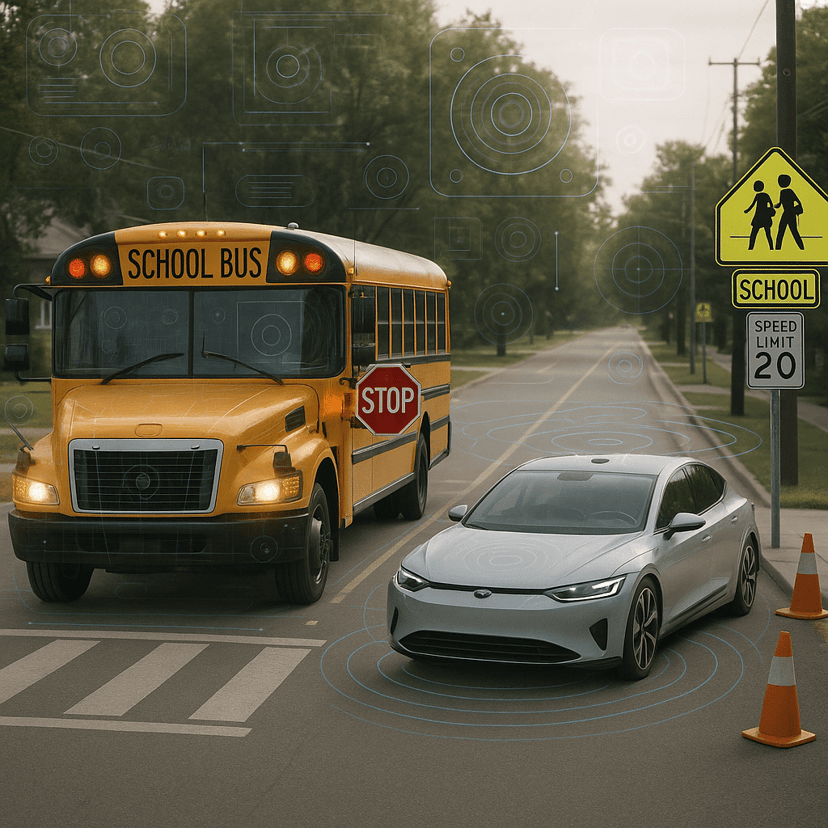
The safety stakes couldn't be higher. Every autonomous vehicle company operates under intense scrutiny following high-profile accidents involving self-driving systems. Tesla's own Autopilot has been linked to numerous crashes, prompting federal investigations. Removing the safety driver means Tesla's AI has to handle every scenario flawlessly, from unexpected pedestrians to construction zones to aggressive human drivers cutting it off.
Waymo and Zoox spent years testing with safety drivers and accumulated millions of autonomous miles before going fully driverless. Tesla's timeline has been significantly compressed. Whether that's confidence in superior technology or premature risk-taking will become clear as more Austin residents hail these driverless rides.
Tesla's driverless Austin launch isn't just about one city or one fleet of cars. It's a critical proof point for whether the company's camera-only approach to autonomy can compete with lidar-equipped rivals, and whether years of bold promises are finally translating into deployable technology. If Tesla can scale this successfully while maintaining safety, it reshapes the entire autonomous vehicle industry and validates Musk's controversial strategy. If problems emerge, it could set back public trust and regulatory acceptance just as the robotaxi market is heating up. For now, a handful of Austin riders are the first real test of whether Tesla's AI is ready to drive without a net.