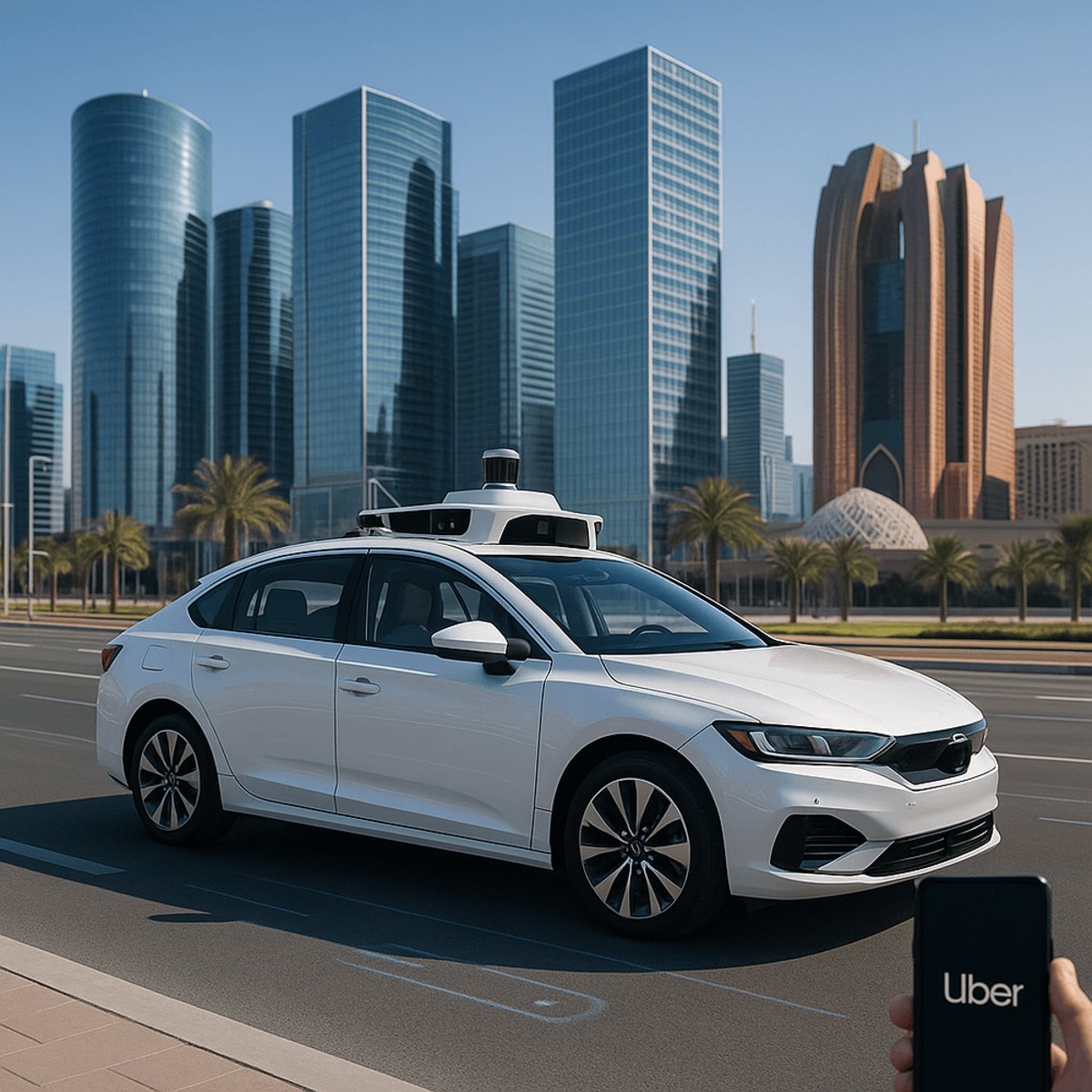
Uber and Chinese partner WeRide just flipped the switch on the world's first fully driverless robotaxi service outside the US and China. After a year of testing with safety drivers, their Abu Dhabi service is now operating without human backup on Yas Island, marking a major milestone for international autonomous vehicle deployment.
The moment autonomous vehicle advocates have been waiting for just happened in an unexpected place. Uber and Chinese AV company WeRide officially removed human safety operators from their Abu Dhabi robotaxi fleet, creating the first fully driverless commercial service outside the US and China.
This isn't just another pilot program. Riders can now open the Uber app in Abu Dhabi, select the "Autonomous" option, and get picked up by a completely empty WeRide vehicle on Yas Island - home to the Abu Dhabi Grand Prix circuit. The service mirrors Uber's successful partnership with Waymo in Austin, where fully autonomous rides have been operating since earlier this year.
The timing is no accident. WeRide secured federal approval from the UAE just last month to operate without safety drivers, according to TechCrunch reporting. The regulatory greenlight came after months of data collection from their supervised operations that launched in December 2024.
"Today's fully autonomous launch in Abu Dhabi represents a historic transportation milestone," Sarfraz Maredia, Uber's head of autonomous mobility, told TechCrunch. The milestone matters because it proves autonomous vehicles can work outside the controlled environments of Phoenix or San Francisco.
The operational mechanics are surprisingly straightforward. Riders booking UberX or Uber Comfort in Abu Dhabi might get matched with a WeRide robotaxi automatically. Those wanting to guarantee an autonomous ride can specifically select the "Autonomous" option in the app. Fleet operations partner Tawasul handles the behind-the-scenes logistics.
But this Abu Dhabi launch is really about Uber's broader autonomous strategy coming together. CEO Dara Khosrowshahi forecast during Q3 earnings calls that autonomous vehicles would be operating on the Uber platform in at least 10 cities by end of 2026. The company has locked up partnerships with 20 different AV companies across multiple continents.
Those partnerships span far beyond robotaxis. Uber has deals with May Mobility for Michigan operations, Volkswagen for electric microbuses, and Chinese firms like Momenta, Pony.ai, and Baidu. A recent deal with Nuro will bring luxury autonomous rides using Lucid Gravity SUVs to San Francisco.
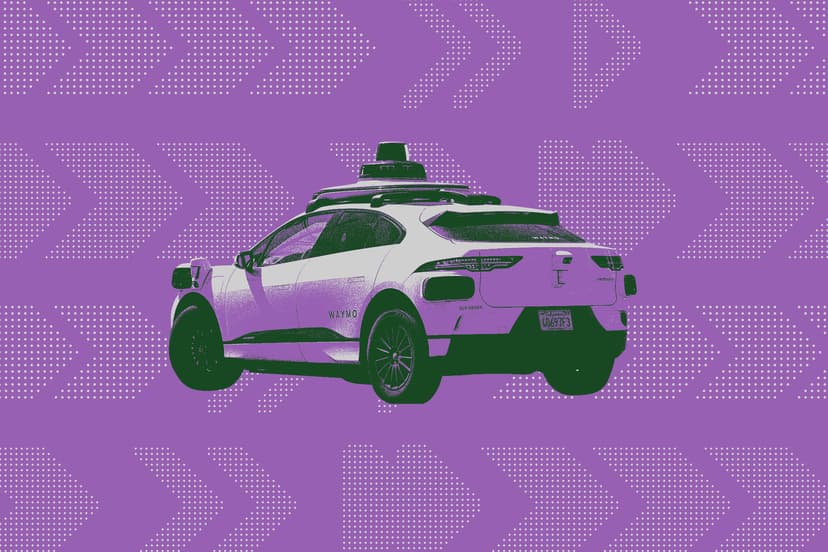
The competitive landscape is heating up fast. While Waymo dominates in Phoenix and San Francisco, and Cruise rebuilds after regulatory setbacks, Uber's platform strategy lets multiple AV companies compete for rides. WeRide currently operates over 150 robotaxis in the Middle East region, but their partnership with Uber targets thousands of vehicles across 15 cities in Europe and the Middle East.
The Abu Dhabi success could accelerate international adoption. Dubai is next on the expansion list, followed by additional European markets where regulatory frameworks are still developing. Unlike the US, where each state sets different rules, the UAE's federal permit system creates clearer pathways for nationwide deployment.
What makes this launch particularly significant is the operational confidence it demonstrates. Removing safety drivers isn't just a regulatory milestone - it's an economic one. The cost structure of autonomous vehicles only works at scale without human operators. WeRide's willingness to go fully driverless in Abu Dhabi suggests their technology has reached commercial viability thresholds.
The Abu Dhabi driverless launch proves autonomous vehicles can work beyond Silicon Valley's controlled environments. As Uber races toward its 10-city deployment goal by 2026, the real test becomes whether international markets can scale these services profitably. With Dubai next and European expansion planned, WeRide and Uber are betting that regulatory-friendly markets outside the US will drive the next wave of autonomous vehicle adoption.