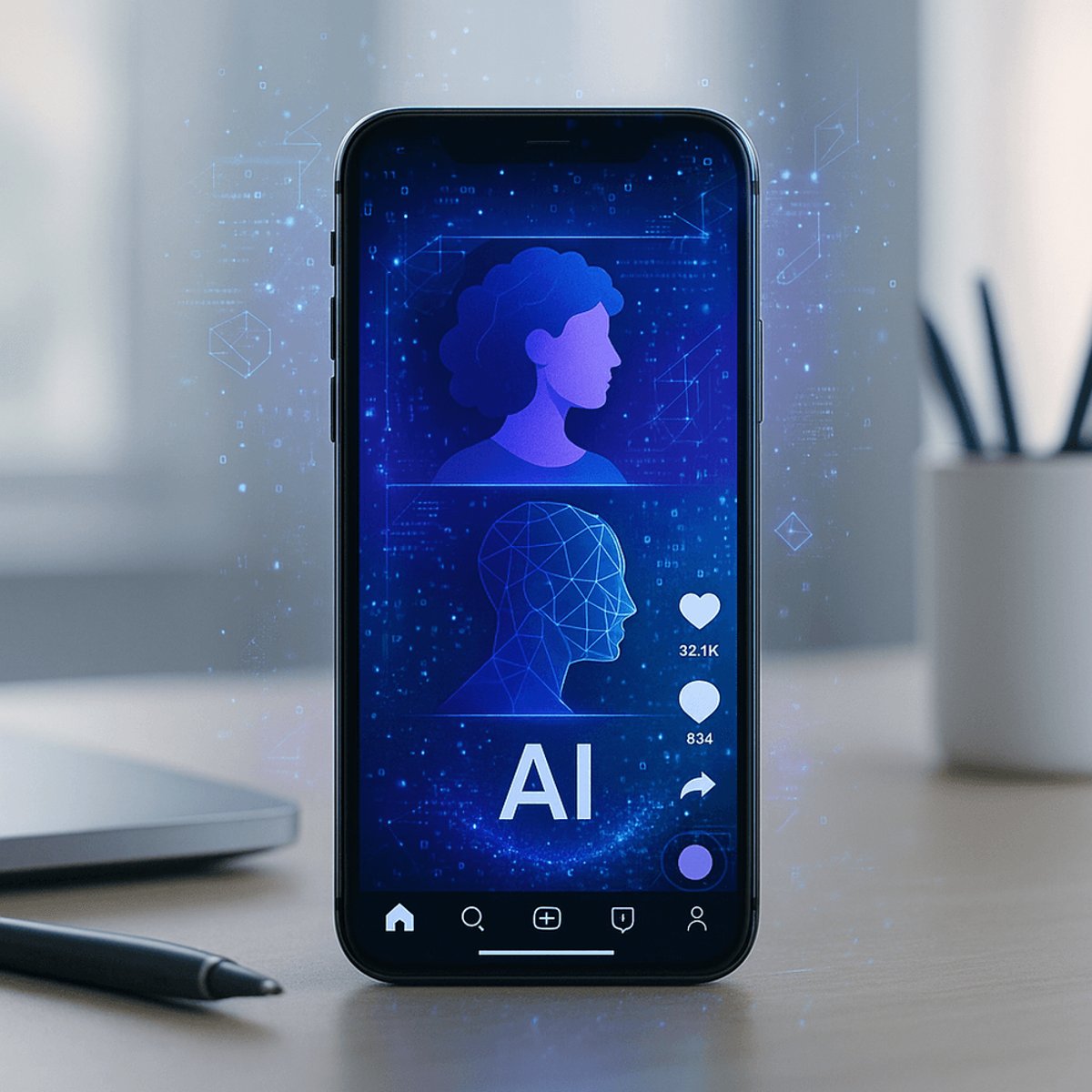
OpenAI just crossed into uncharted territory with the launch of Sora, a TikTok-style app that turns personal deepfakes into entertainment. The iOS app, powered by the company's Sora 2 video model, lets users create digital avatars and generate AI videos of themselves and friends with simple text prompts. This marks OpenAI's boldest consumer play yet, betting that deepfake creation will become mainstream social media behavior.
OpenAI just made deepfakes personal. The company's new Sora app, launched Tuesday, transforms AI video generation from a technical curiosity into scrollable entertainment, complete with a TikTok-style "For You" feed stuffed with user-generated deepfakes.
The iOS app represents a dramatic shift for OpenAI, moving from enterprise AI tools to consumer entertainment built around synthetic human likenesses. Powered by the company's latest Sora 2 video model, the app generates nine-second clips complete with AI-generated audio - a first for OpenAI's video products.
Getting started feels deceptively simple. Users create their digital avatar by recording themselves saying numbers while turning their head, allowing the AI to capture their likeness. "The team worked very hard on character consistency," OpenAI CEO Sam Altman wrote in a blog post about the launch.
The app's privacy controls reveal OpenAI's awareness of deepfake risks. Users can restrict who generates videos using their likeness - from everyone to just themselves, approved contacts, or mutual connections. Crucially, whenever someone creates a video featuring your avatar, even in drafts, you can view the full clip from your account.
Early testing by WIRED reveals both the app's capabilities and limitations. The most popular videos featured Altman himself, including one showing the CEO "stealing" a GPU from Target and pleading with security to keep it for AI development. The quality varies wildly - some deepfakes looked stilted and obviously artificial, while others proved convincing enough to fool close contacts.
Creating content requires just tapping faces to add "cameos" and entering prompts like "fight in the office over a WIRED story." The AI handles script generation, voicing, and visuals automatically. WIRED's test of colleagues arguing dramatically "elicited reactions ranging from terror to amusement among staff."
OpenAI built extensive content restrictions after acknowledging the platform's potential for abuse. "We're aware of how addictive a service like this could become, and we can imagine many ways it could be used for bullying," Altman noted. The app blocks sexual content, graphic violence involving real people, and hate speech.
Celebrity protections appear inconsistent. Requests for Taylor Swift, Darth Vader, and "Boss Baby" were rejected for violating content similarity rules. But Pokemon characters like Pikachu generate freely. A prompt for Altman "in a South Park episode" produced a convincing interaction with Eric Cartman, complete with the character's distinctive voice asking if AI "wrote my book report" or will "steal all our jobs."
The timing puts OpenAI in direct competition with Meta, which recently launched Vibes, its own AI video feed. But where Vibes feels "dull and weightless," according to early users, Sora's deepfake focus creates a more "electric and concerning" experience.
The app evokes memories of mid-2000s "Elf Yourself" holiday videos, but with far more sophisticated and open-ended possibilities. One tester successfully fooled their partner with a deepfake showing a hair transformation - the partner asked where they'd found the "cool video filter," not realizing it was entirely AI-generated.
According to Wall Street Journal reporting, Sora will allow copyrighted content generation unless rights holders specifically opt out, potentially setting up future legal battles over synthetic media creation.
The invite-only launch suggests OpenAI wants controlled scaling while safety systems prove themselves. But the core bet is clear: that creating and sharing deepfakes of ourselves and friends will become as normal as posting photos or videos.
OpenAI's Sora app represents a watershed moment for synthetic media, making deepfake creation accessible to millions through an addictive social feed format. While the company has built safety guardrails around celebrity likenesses and harmful content, the app's core premise - that we'll enjoy creating and consuming AI versions of ourselves and friends - could fundamentally reshape how we think about authentic digital identity. Whether society is ready for mainstream deepfake entertainment remains the trillion-dollar question as these tools escape the lab and land in everyone's pocket.