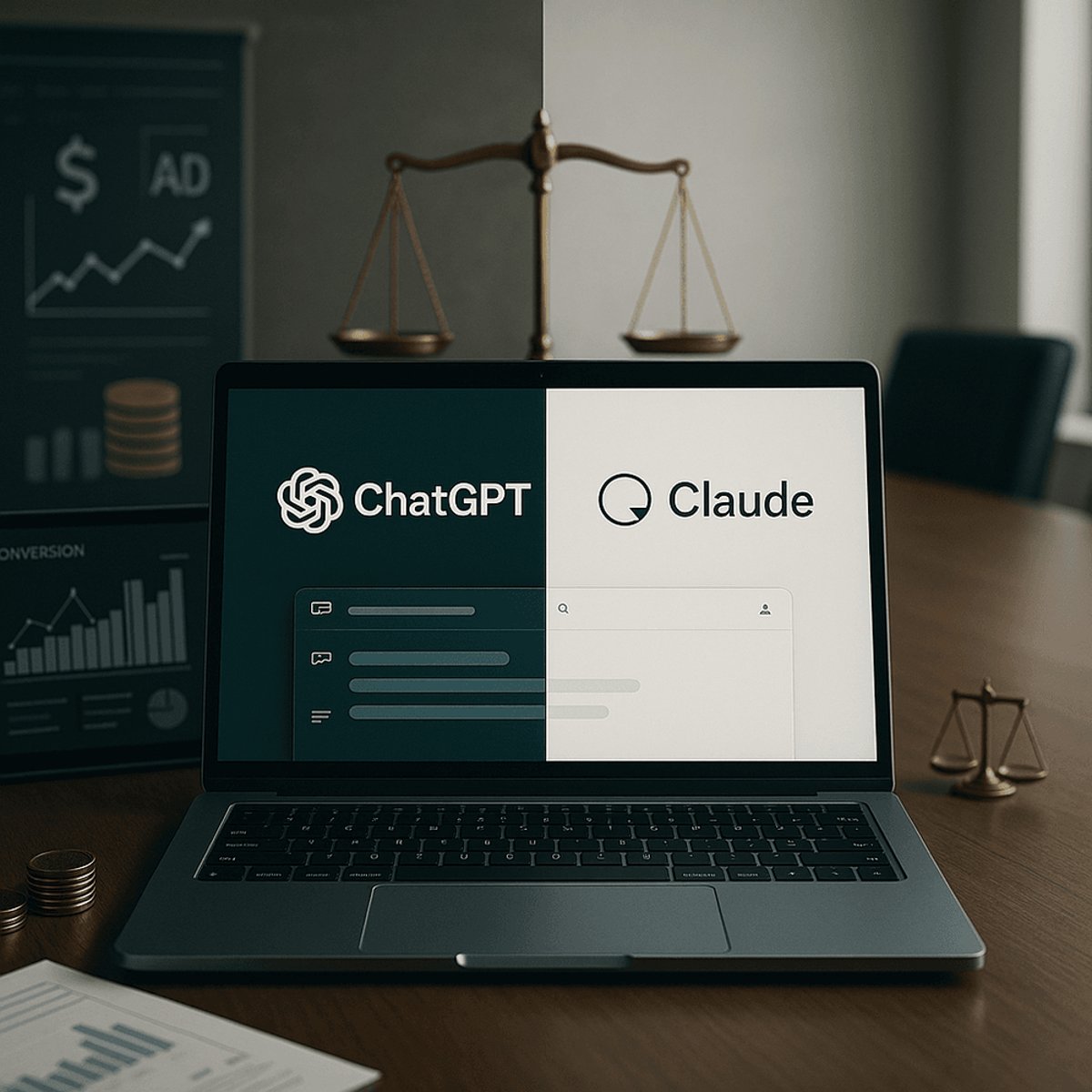
OpenAI is rolling out an advertising pilot program for ChatGPT, marking a critical shift in how the company plans to monetize its flagship AI product. The move has sparked intense debate across the ad industry, where executives see massive revenue potential but some insiders are growing frustrated with the slow, cautious rollout. Meanwhile, rival Anthropic has drawn a hard line, publicly pledging to keep its Claude assistant ad-free - setting up a philosophical battle over AI's commercial future that could reshape the $300 billion digital advertising landscape.
OpenAI just fired the starting gun on what could become the next great advertising gold rush. The company is quietly testing ads inside ChatGPT, the AI assistant that's racked up over 200 million weekly active users since its explosive debut. For an advertising industry watching Google dominate search for two decades, this represents the first real crack in the foundation.
The pilot program is deliberately small, according to sources familiar with the initiative. OpenAI is showing sponsored content to limited user segments, carefully measuring engagement rates and user sentiment before expanding. But that caution is exactly what's driving some advertising executives up the wall. "We've been ready to spend since January," one agency executive told colleagues on background. "The demand is absolutely there, but OpenAI is moving at a pace that feels glacial compared to the opportunity."
The frustration is understandable when you look at the numbers. AI search ads represent what analysts are calling a potential $50 billion market opportunity by 2028. Unlike traditional search, where users click through blue links, conversational AI can weave recommendations directly into responses - a format that's both more native and potentially more effective. Early tests suggest AI-delivered product recommendations convert at rates 40% higher than standard search ads, though OpenAI hasn't released official performance data.
But just as OpenAI moves toward advertising, Anthropic is sprinting in the opposite direction. The rival AI lab, backed by Google and founded by former OpenAI executives, has made a public commitment to keeping Claude completely ad-free. It's a bold stance that positions Anthropic as the premium option for users who want AI assistance without commercial interference.
"We believe AI should optimize for helpfulness, not engagement metrics tied to advertising," Anthropic stated in recent company communications. The pledge resonates with a growing segment of users who've grown weary of ads infiltrating every digital experience. It's also a calculated business bet - Anthropic is wagering that enterprises and discerning consumers will pay subscription premiums to avoid ads entirely.
The contrasting strategies reveal a fundamental split in how AI companies think about monetization. OpenAI is pursuing a hybrid model, combining subscriptions through ChatGPT Plus with advertising revenue from free users. It's the playbook that made Google and Meta into profit machines. Anthropic is betting on the Spotify Premium or YouTube Premium approach - offer a superior experience at a higher price point.
For Google, both scenarios represent existential threats. The company generated $237 billion in ad revenue last year, with search accounting for the lion's share. If users start turning to ChatGPT for queries that previously went to Google, even a 10% shift could evaporate tens of billions in annual revenue. Google has rushed its own AI search features to market, but the company is walking a tightrope, trying to defend its core business without cannibalizing the golden goose.
Advertising technology companies are scrambling to adapt. The infrastructure that powers programmatic ads, real-time bidding, and campaign measurement was built for the web and mobile apps. Conversational AI requires entirely new approaches. How do you measure viewability when there's no banner to display? How do you prevent ad fraud when responses are generated dynamically? These technical challenges are part of why OpenAI is moving deliberately.
The pilot is reportedly focusing on specific verticals where conversational recommendations make natural sense - travel bookings, restaurant suggestions, product comparisons. These categories let OpenAI test ad formats that feel helpful rather than intrusive. "If you ask ChatGPT where to eat in Brooklyn and it suggests a sponsored restaurant that actually matches your preferences, that's valuable," explained one marketing technology analyst. "If it starts jamming irrelevant ads into every response, users will revolt."
That balance is everything. OpenAI has spent years building trust and goodwill with users who see ChatGPT as a helpful assistant. Introducing ads risks breaking that relationship. The company watched Twitter stumble with ad experiments and Meta face user backlash over intrusive targeting. OpenAI appears determined to avoid those mistakes, even if it means frustrating eager advertisers.
The slow rollout also reflects legal and regulatory considerations. AI-generated content that includes advertising could face scrutiny around disclosure and transparency. If ChatGPT recommends a product without clearly labeling it as sponsored, that could violate FTC guidelines. OpenAI is reportedly working with legal teams to ensure every ad format includes proper disclosures.
Anthropic's ad-free pledge, meanwhile, has won praise from privacy advocates and users tired of surveillance advertising. But it also creates pressure on the business model. Without advertising revenue, Anthropic needs to charge enough for subscriptions to cover massive infrastructure costs. Training and running large language models burns through millions in computing resources monthly. Can subscription revenue alone sustain that? Anthropic is betting yes, counting on enterprise customers paying premium rates for AI without commercial conflicts.
The diverging paths set up a natural experiment. Over the next year, we'll see whether users prefer free, ad-supported AI or paid, ad-free experiences. The answer will shape how every AI company thinks about monetization.
The advertising pilot in ChatGPT represents more than just a new revenue stream for OpenAI - it's a referendum on what users expect from AI assistants. If OpenAI succeeds in making ads feel helpful rather than intrusive, it could unlock a massive new advertising category and force every competitor to follow. But if users reject the experience, Anthropic's ad-free stance will look prescient, and the entire industry might need to rethink how AI gets funded. For advertisers stuck waiting on the sidelines, the frustration is real but the stakes are clear: whoever figures out conversational AI advertising first could control the next decade of digital marketing. Watch how quickly OpenAI expands beyond this pilot - that timeline will tell you everything about how the early tests are performing.