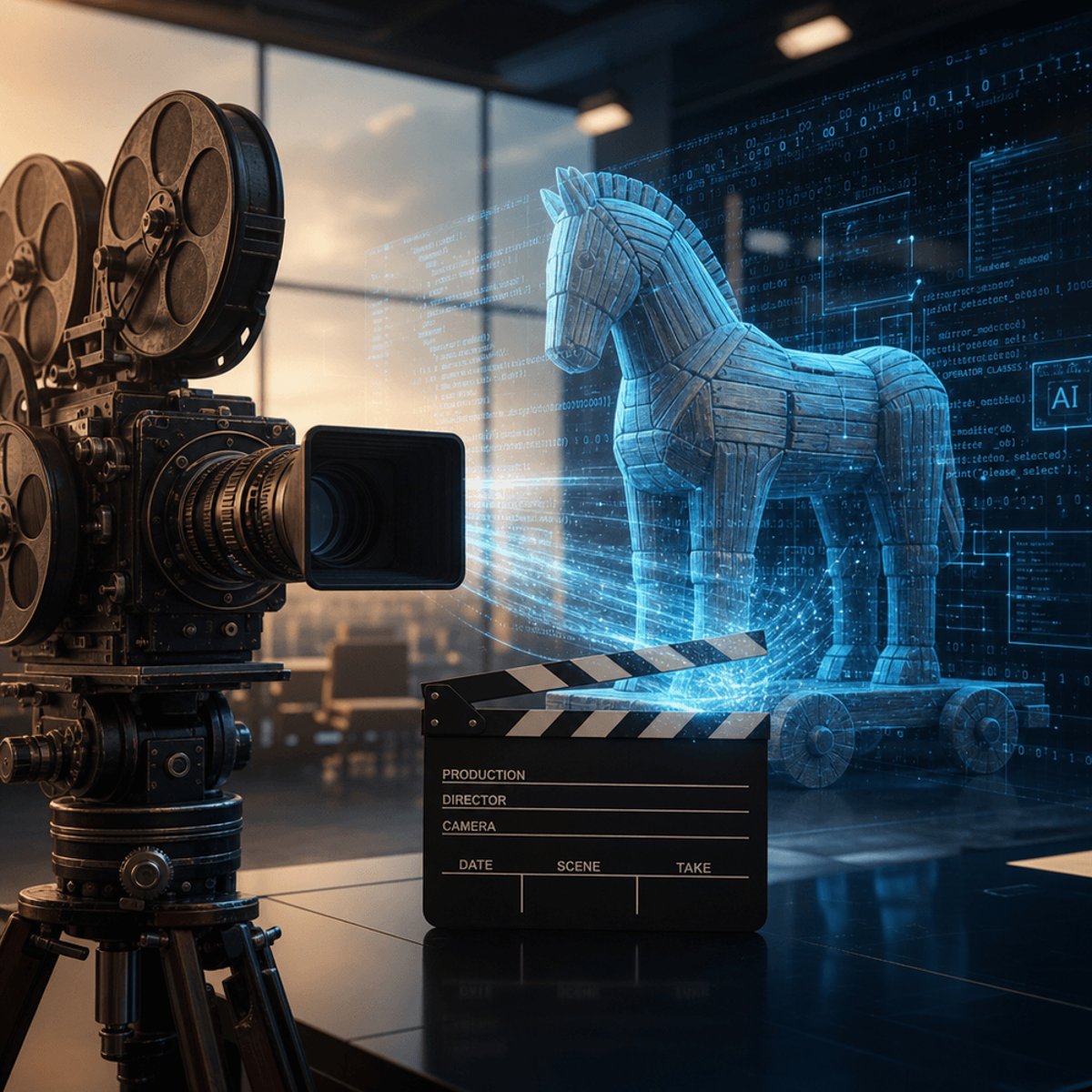
Christopher Nolan isn't mincing words about artificial intelligence. The acclaimed director behind Oppenheimer and the upcoming adaptation of The Odyssey just called AI an obvious "Trojan horse" for the entertainment industry, warning that everyone knows the danger but they're letting it in anyway. Speaking as Hollywood grapples with AI's role in creative work, Nolan's stark metaphor lands with particular weight from a filmmaker who's built his career on practical effects and human-driven storytelling.
Christopher Nolan just delivered one of the sharpest critiques of artificial intelligence to come from Hollywood's A-list, and the timing couldn't be more loaded. The director who brought us Inception, Interstellar, and last year's Oppenheimer told reporters that AI represents an obvious "Trojan horse" for the entertainment industry - with everyone fully aware of what's hidden inside.
"Everybody knows the Greeks are inside," Nolan said, per TechCrunch. It's a cutting observation that goes beyond typical AI skepticism. Nolan isn't just saying the industry doesn't understand the risks - he's arguing they understand perfectly well and are choosing to proceed anyway.
The metaphor hits differently coming from a director currently promoting his adaptation of Homer's The Odyssey, the epic that gave us the original Trojan horse story. That's either brilliant timing or a very deliberate choice from a filmmaker known for his meticulous attention to detail. Either way, it frames AI not as an unknowable threat but as a conscious gamble the industry is taking with full knowledge of potential consequences.
Nolan's built his reputation on doing things the hard way - practical effects over CGI, film over digital, human creativity over shortcuts. His latest film Oppenheimer recreated a nuclear explosion without computer graphics. He's crashed real planes, flipped real trucks, and built real rotating hallway sets. So when he talks about AI in entertainment, it comes from someone who's consistently chosen the more difficult, more human path.
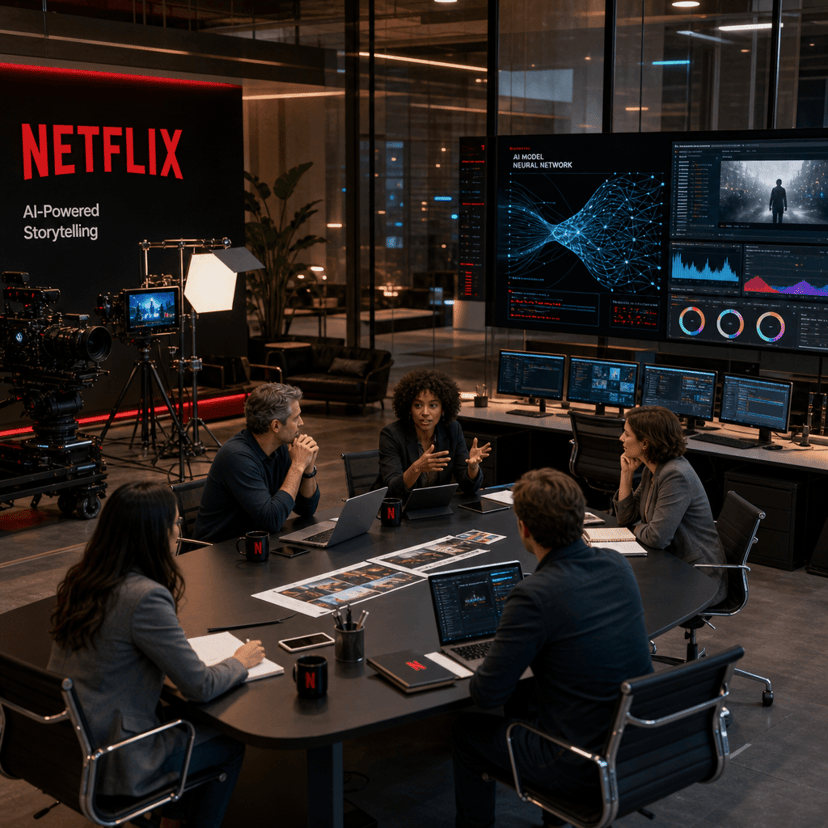
The comments arrive at a crucial moment for Hollywood. The industry just emerged from dual strikes where AI protections became central bargaining points. Writers and actors both secured contract language limiting how studios can use AI to replace human creativity, but those agreements feel increasingly fragile as the technology advances. Major studios have been quietly investing in AI companies and exploring use cases for everything from script coverage to visual effects to voice synthesis.
OpenAI has been actively courting Hollywood, offering studios early access to video generation tools. Google and Meta are both developing AI systems capable of generating realistic video from text prompts. The technology that seemed theoretical during last year's strikes is now producing results that are, if not perfect, certainly good enough to make executives think about cost savings.
What makes Nolan's framing so pointed is the suggestion that the industry isn't being fooled - they're making a calculated decision. Studio executives understand AI might undermine creative jobs, devalue human artistry, and potentially homogenize content. But the potential for reduced production costs and faster turnarounds apparently outweighs those concerns. The Trojan horse isn't sneaking in under cover of darkness; Hollywood's opening the gates in broad daylight.
This isn't Nolan's first dance with AI themes. His filmography regularly explores the tension between human intuition and technological systems, from the dream-manipulation technology in Inception to the AI-driven time travel in Tenet. But there's a difference between exploring these ideas in fiction and watching them play out in your own industry.
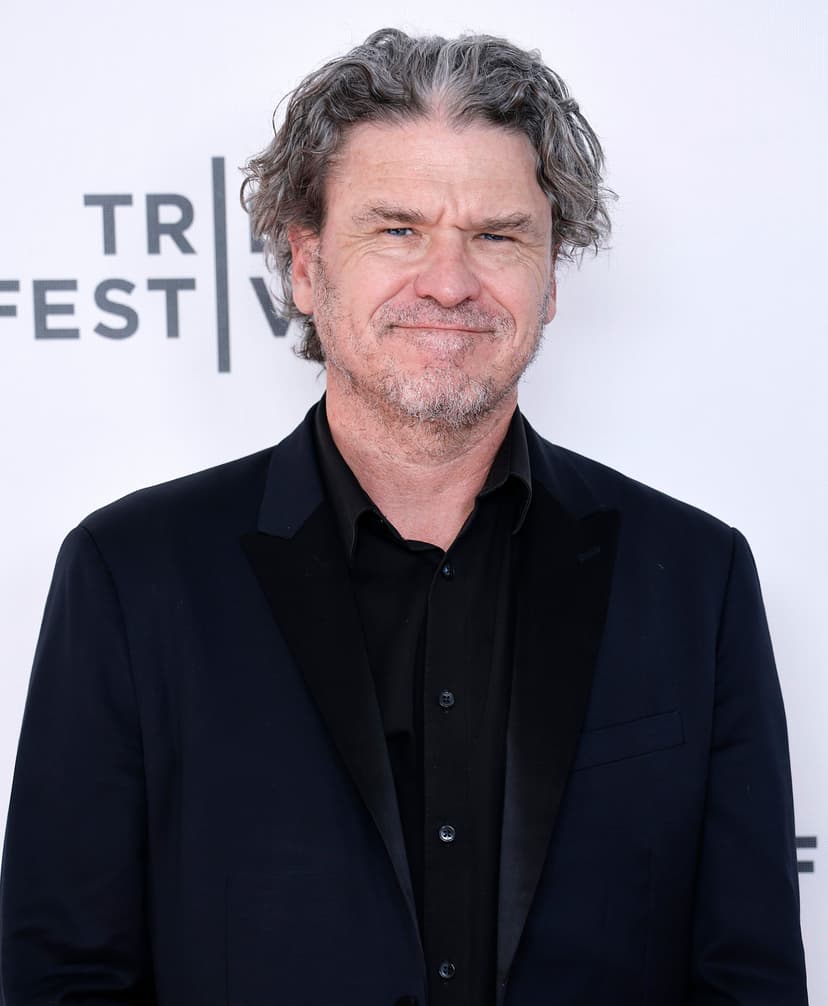
The director's stance puts him alongside other prominent creative voices pushing back against AI's encroachment into artistic fields. Author Dave Eggers recently criticized ChatGPT for its impact on writing, while visual artists have been fighting AI training on their work without compensation. But Nolan carries particular weight as someone whose films routinely gross hundreds of millions while maintaining artistic integrity and technical innovation.
For an industry already anxious about streaming's impact on theatrical releases, AI represents another existential question about what movies are and who makes them. If AI can generate convincing background actors, write serviceable dialogue, or create entire visual effects sequences, what happens to the collaborative human process that's defined filmmaking for over a century?
Nolan's making The Odyssey as a big-budget, star-studded epic at a time when studios are increasingly risk-averse. His ability to deliver both artistic credibility and box office returns gives him leverage most directors don't have. When he calls out AI, people listen - including studio executives who might prefer he stay quiet.
The "Trojan horse" framing also suggests the damage is still ahead. The Greeks didn't pour out of the horse immediately - they waited until Troy's defenses were down. Nolan seems to be warning that the entertainment industry hasn't yet seen the full implications of the AI systems they're welcoming in. Once those systems are integrated into production pipelines, standard practice, and budget expectations, unwinding them becomes exponentially harder.
Nolan's warning cuts through the usual hype cycle around AI to name something uncomfortable - that Hollywood's adoption of these tools isn't about ignorance but about choice. The industry sees the potential downsides for creative workers, artistic integrity, and the collaborative nature of filmmaking. They're proceeding anyway, betting that efficiency and cost savings will outweigh whatever gets lost in the transition. Whether that gamble pays off or becomes the entertainment industry's defining mistake won't be clear until the wooden horse is already inside the walls. For now, one of cinema's most uncompromising directors is making sure nobody can claim they weren't warned.