A new AI model from Chinese startup Moonshot AI is reigniting tensions in the US-China tech rivalry. The company's latest Kimi release this week prompted sharp reactions from policymakers and industry figures, with critics warning about what some are calling 'full AI communism.' The launch comes as Washington ramps up scrutiny of Chinese AI capabilities and their potential geopolitical implications.
Moonshot AI, a Chinese AI startup, just dropped a new version of its Kimi model - and the reaction in Washington says everything about where we are in the US-China AI race. Within hours of the release, the model became a flashpoint for concerns about Chinese technological advancement and what some are characterizing as 'full AI communism.'
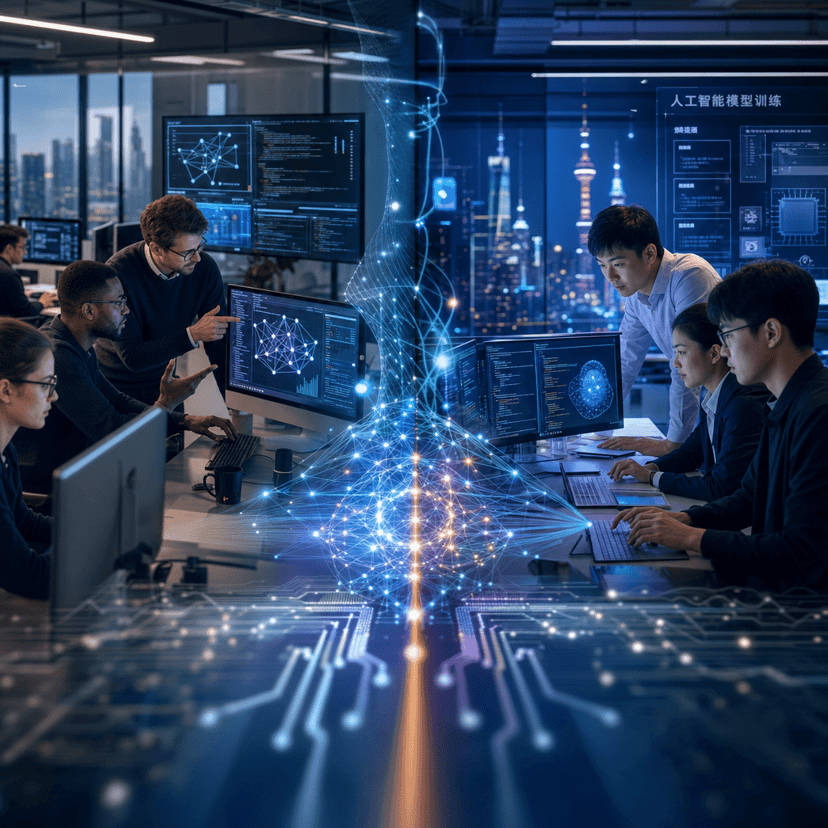
The timing couldn't be more sensitive. As American companies like OpenAI and Google battle for AI supremacy domestically, Chinese firms have been quietly advancing their own capabilities. Moonshot AI, despite operating under tighter regulatory constraints in China, has managed to develop models that are drawing serious attention from the US tech and policy establishment.
According to sources familiar with the matter, the Kimi model's capabilities have raised eyebrows particularly because of how quickly Chinese AI development is progressing despite US export controls on advanced chips. The controls, implemented to slow China's AI advancement, appear to be having less impact than policymakers hoped.
The 'full AI communism' framing represents more than just rhetorical flourish. It reflects genuine anxiety in policy circles about what happens when a major geopolitical rival achieves parity - or worse, superiority - in transformative technology. The concern isn't just about the technology itself but about the potential applications in surveillance, military systems, and economic competition.
David Sacks, named in the original report alongside policy analyst Dean Ball and Uber co-founder Travis Kalanick, represents the kind of Silicon Valley voices that have been warning about Chinese AI competition. These figures have pushed for more aggressive US policy responses, though they've disagreed on the specifics.
Moonshot AI itself has kept a relatively low profile compared to flashier American competitors. The Beijing-based company has focused on building practical AI applications rather than chasing headlines. But this latest Kimi release suggests the company is ready to compete more directly on the global stage.
The model's release also highlights a strategic dilemma for US policymakers. Tighter export controls might slow Chinese progress but could also accelerate domestic innovation as Chinese companies are forced to develop alternatives to American chips and technology. That's exactly what appears to be happening with firms like Moonshot AI.
What makes this moment particularly fraught is the uncertainty around Chinese AI capabilities. US intelligence assessments of Chinese technological progress have been notoriously difficult, and there's genuine disagreement about how close Chinese models are to matching American ones. Some experts argue Chinese companies are still years behind, while others see near-parity in specific domains.
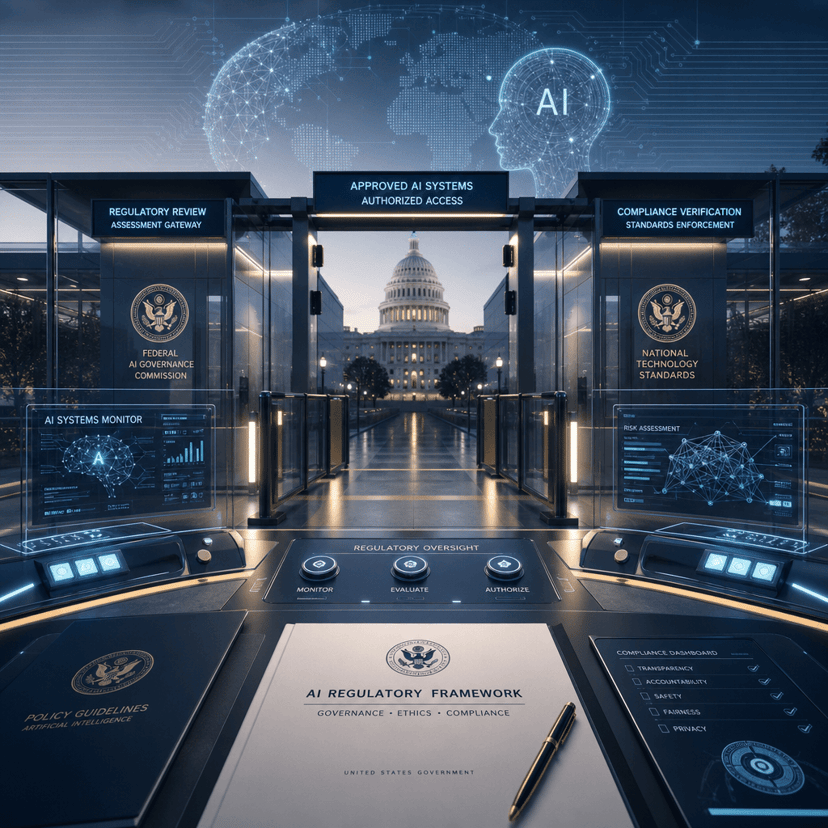
The policy implications extend beyond just AI development. If Chinese models become competitive with American ones, it could reshape global technology markets, influence international AI governance discussions, and shift the balance of power in everything from autonomous weapons to economic productivity.
For now, the Kimi release serves as another reminder that the AI race isn't just between Silicon Valley startups - it's a geopolitical competition with stakes that extend far beyond quarterly earnings reports. And based on the reaction this week, it's a competition that's making a lot of people in Washington very nervous.
The reaction to Moonshot AI's Kimi release reveals just how high the stakes have become in the US-China AI competition. What might have been just another model launch in a different era is now a geopolitical flashpoint, complete with charged rhetoric about 'AI communism' and urgent policy discussions. As Chinese firms continue advancing despite US export restrictions, Washington faces tough questions about whether current strategies are working - or if they're inadvertently spurring exactly the kind of indigenous innovation they were meant to prevent. The next few months will show whether this Kimi release was just noise or a genuine signal that the AI balance of power is shifting.