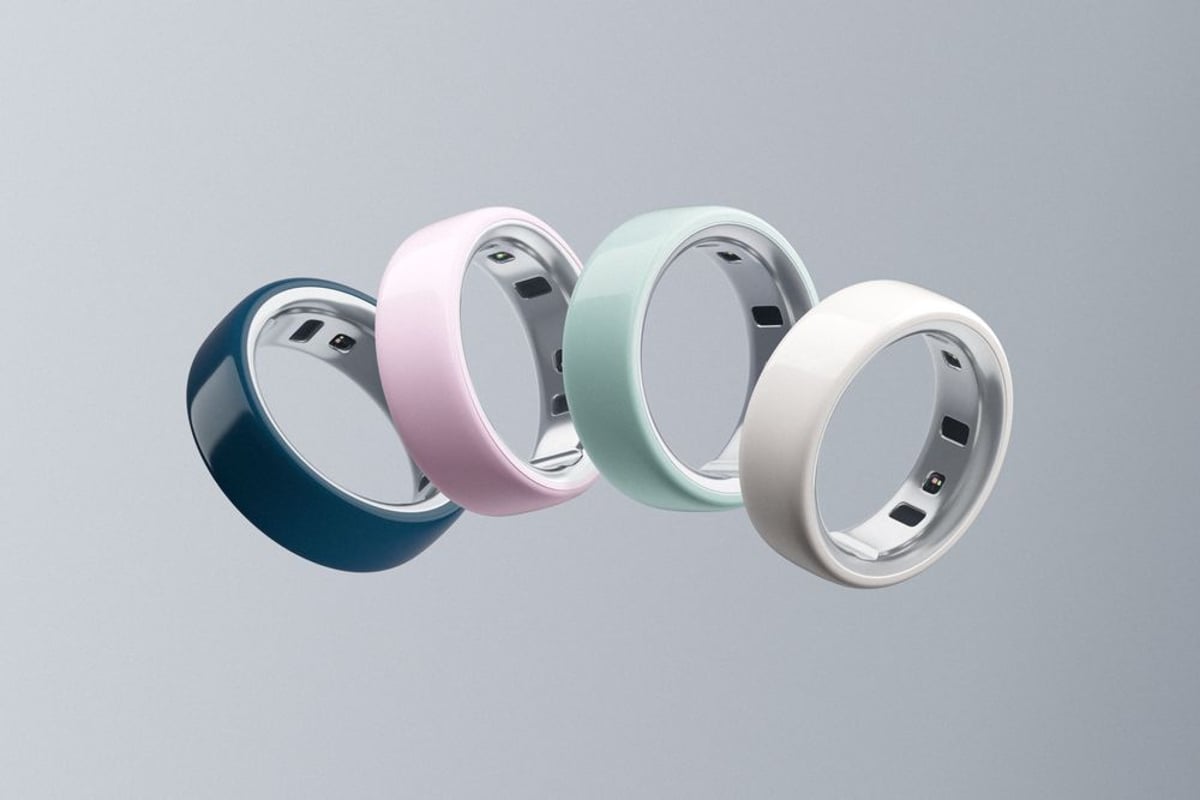
Oura is skipping a fifth-generation ring this year and instead doubling down on making the Ring 4 more fashionable. The health tech company just unveiled colorful ceramic versions of its flagship wearable, signaling a shift toward positioning smart rings as lifestyle accessories rather than just health trackers.
Oura isn't launching a fifth-generation smart ring this year. Instead, the company is betting that style-conscious consumers will pay extra for more fashionable versions of its existing Ring 4. The ceramic rings start at $499, representing a $100 premium over the standard titanium models, and come in four colors: midnight (teal), petal (pink), tide (mint green), and cloud (white). This pricing strategy positions Oura squarely against premium fashion wearables rather than purely functional health devices. The ceramic construction uses zirconia ceramic, which Oura claims is so durable it can actually scuff metals. Unlike the company's metal finishes that can fade over time, the ceramic colors are baked in rather than coated, addressing a common complaint from users of the rose gold Ring 3 who watched their devices lose their luster after months of wear. The trade-off comes in form factor - ceramic rings measure 3.51mm thick compared to 2.88mm for metal versions, and weigh between 5.1 to 8.1 grams versus 3.3 to 5.2 grams. The sensors and functionality remain identical to the standard Ring 4. But the real story here isn't just about materials. Oura is clearly positioning itself for customers who want multiple rings for different occasions, similar to how people own different watches. The company is introducing multi-ring device support through its app, letting users seamlessly switch between two rings without losing data continuity. This mirrors Apple's approach with Apple Watch, where users can pair multiple devices and switch between them. The strategy makes financial sense - if Oura can convince users to own both a workout ring and a formal dinner ring, revenue per customer doubles. Perhaps more significant than the ceramic launch is Oura's introduction of a $99 charging case. This accessory has been one of the most requested features from Ring users who found the standard charging dock inconvenient for travel. The aluminum case holds up to 5 full charges and can power a ring from zero to 100% in about 90 minutes, matching the case's own charging time. With USB-C connectivity and a built-in charging indicator, it positions the Ring 4 more like premium wireless earbuds with portable charging solutions. The timing isn't coincidental. As smart rings move from niche health gadgets to mainstream accessories, accessories and ecosystem features become crucial differentiators. Oura is also launching Health Panels, a new feature that lets users schedule blood tests at Quest Diagnostics locations directly through the app. For $99 per test, users can view roughly 50 biomarkers related to cardiovascular and metabolic health, then consult with Oura Advisor, the company's AI chatbot, about their results. The AI can't provide medical diagnoses but can explain whether results fall within normal ranges and suggest lifestyle improvements. This positions Oura directly against competitors like Whoop, which announced similar blood testing capabilities earlier this year but hasn't launched them yet. The health testing market represents a major opportunity - consumers increasingly want actionable insights from their wearable data rather than just tracking metrics. By partnering with established laboratory networks and adding AI interpretation, Oura is building a more comprehensive health platform rather than just selling hardware. The ceramic launch and charging case signal Oura's evolution from a recovery-focused device for athletes to a broader lifestyle brand. With ceramic options targeting fashion-conscious consumers and multi-ring support encouraging multiple purchases, the company is clearly studying Apple's playbook for turning functional devices into status symbols.
Oura's ceramic ring launch represents more than just new color options - it's a strategic shift toward building a lifestyle brand around health tracking. By introducing premium materials, multi-device support, and comprehensive health testing, the company is positioning smart rings as essential accessories rather than niche gadgets. The real test will be whether consumers embrace the Apple Watch model of owning multiple rings for different occasions, or if the $499 ceramic price point prices out too many potential customers in an increasingly competitive wearables market.