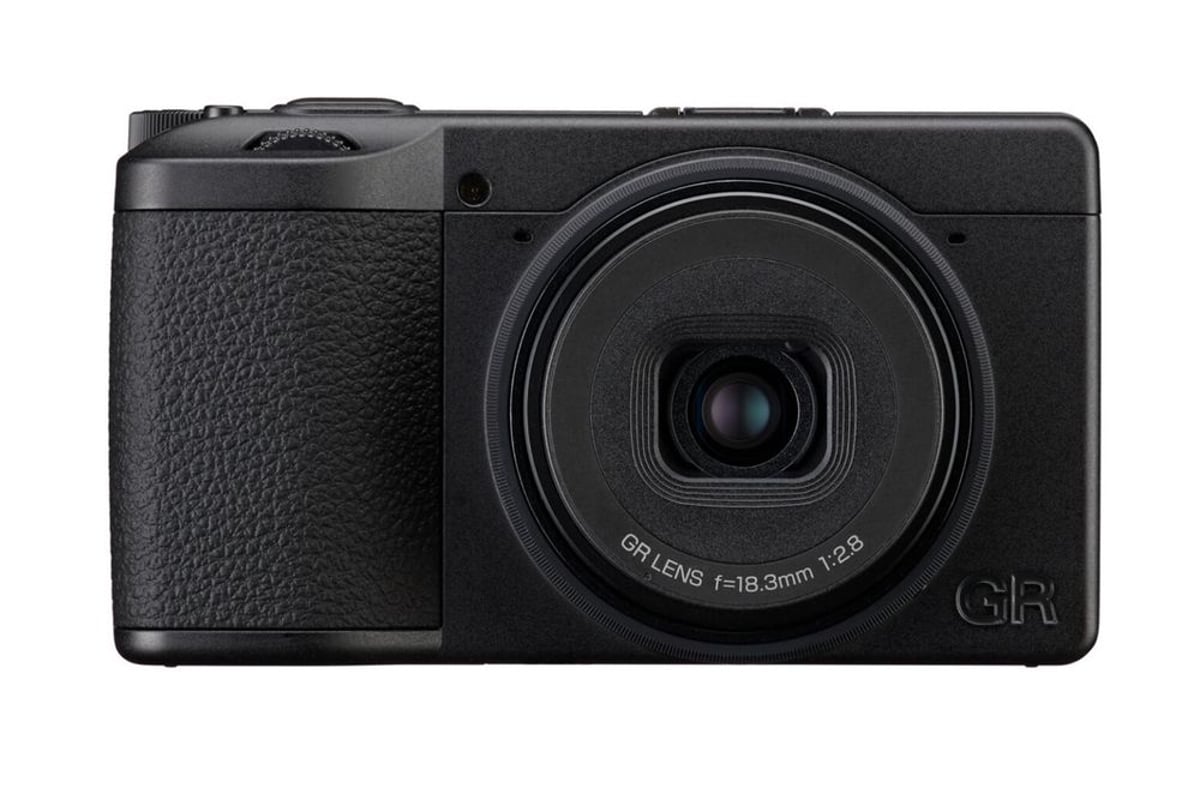
Ricoh just announced its first dedicated black and white camera, the GR IV Monochrome, targeting professional photographers who want pure monochromatic capture without digital conversion compromises. Expected to launch in Spring 2026, this specialized variant of the recently released GR IV features a custom monochrome sensor that delivers higher light sensitivity and eliminates the color filter array that typically reduces image quality in black and white photography.
Ricoh is making a bold play for the niche but passionate monochrome photography market with its upcoming GR IV Monochrome, marking the company's first camera designed exclusively for black and white capture. The announcement comes just weeks after Ricoh launched the standard GR IV in September, suggesting the company sees serious demand for specialized monochrome tools.
The timing isn't coincidental. Professional photographers have long complained that converting color images to black and white in post-processing never quite matches the quality of native monochrome sensors. By removing the Bayer color filter array entirely, monochrome sensors capture more light per pixel and deliver superior detail in grayscale images - something that's become increasingly important as film photography experiences a renaissance.
According to official specifications from Ricoh, the GR IV Monochrome will feature a 25.7-megapixel monochrome CMOS sensor paired with the same 28mm-equivalent f/2.8 autofocus lens found on the standard model. But here's where it gets interesting - the monochrome version pushes ISO sensitivity up to 409,600, well beyond the standard GR IV's range.
"This camera will feature Image Control options specialized to deliver the expressiveness and depth unique to monochromatic images," Ricoh stated in its development announcement. That suggests custom processing algorithms designed specifically for black and white photography, rather than simply stripping color data from a traditional sensor.
The camera inherits the GR IV's premium features including five-axis image stabilization, a three-inch touchscreen LCD, and approximately 53GB of built-in storage. The external design remains nearly identical, with one notable exception - Ricoh swapped the white GR logo for black, a subtle but fitting aesthetic choice.
Pricing remains under wraps, but given the standard GR IV launched at $1,500, expect the monochrome variant to command a premium. Dedicated monochrome cameras occupy a tiny but lucrative market segment - Leica's Q2 Monochrom retails for over $5,000, while Phase One's medium format monochrome backs cost tens of thousands.
The move reflects broader trends in professional photography equipment. As smartphone cameras increasingly handle everyday color photography, dedicated camera manufacturers are doubling down on specialized tools that offer capabilities smartphones can't match. Monochrome sensors represent one such capability - they're inherently more light-sensitive and can capture finer detail gradations than any color sensor converted to black and white.
For Ricoh, this represents smart product differentiation in a shrinking compact camera market. The GR series has always catered to serious photographers who want pocketable cameras with larger sensors than smartphones offer. A monochrome variant targets an even more specific subset - photographers who shoot primarily in black and white and demand the absolute best image quality.
The Spring 2026 timeline gives Ricoh over a year to refine the camera and build anticipation among potential buyers. It also allows the company to gauge market response and potentially adjust specifications based on feedback from the photography community.
Ricoh's GR IV Monochrome fills a genuine gap in the market for photographers who prioritize black and white image quality over convenience. While the audience is niche, it's also passionate and willing to pay premium prices for tools that enhance their craft. If Ricoh can deliver on the promise of superior monochrome performance at a reasonable price point, this could become the go-to compact camera for serious black and white photographers who've been waiting for exactly this kind of specialized tool.