Samsung is placing a $158 million bet that the AI boom's biggest bottleneck isn't chips or power - it's cooling. The company announced plans to build a massive HVAC production line in Gwangju, Korea, specifically targeting the exploding demand for advanced cooling solutions in AI data centers. Set to launch in 2028, the facility marks Samsung's aggressive push into AI infrastructure through its FläktGroup acquisition, positioning the tech giant to capture a slice of the data center cooling market just as AI workloads push thermal management to the breaking point.
Samsung is making a calculated play for the infrastructure layer that nobody talks about but everyone needs - keeping AI data centers from overheating. The company's announcement to pump KRW 240 billion (roughly $158 million) into a dedicated HVAC production line in Korea signals where Samsung sees the next AI gold rush happening: not in the models themselves, but in the physical infrastructure that keeps them running.
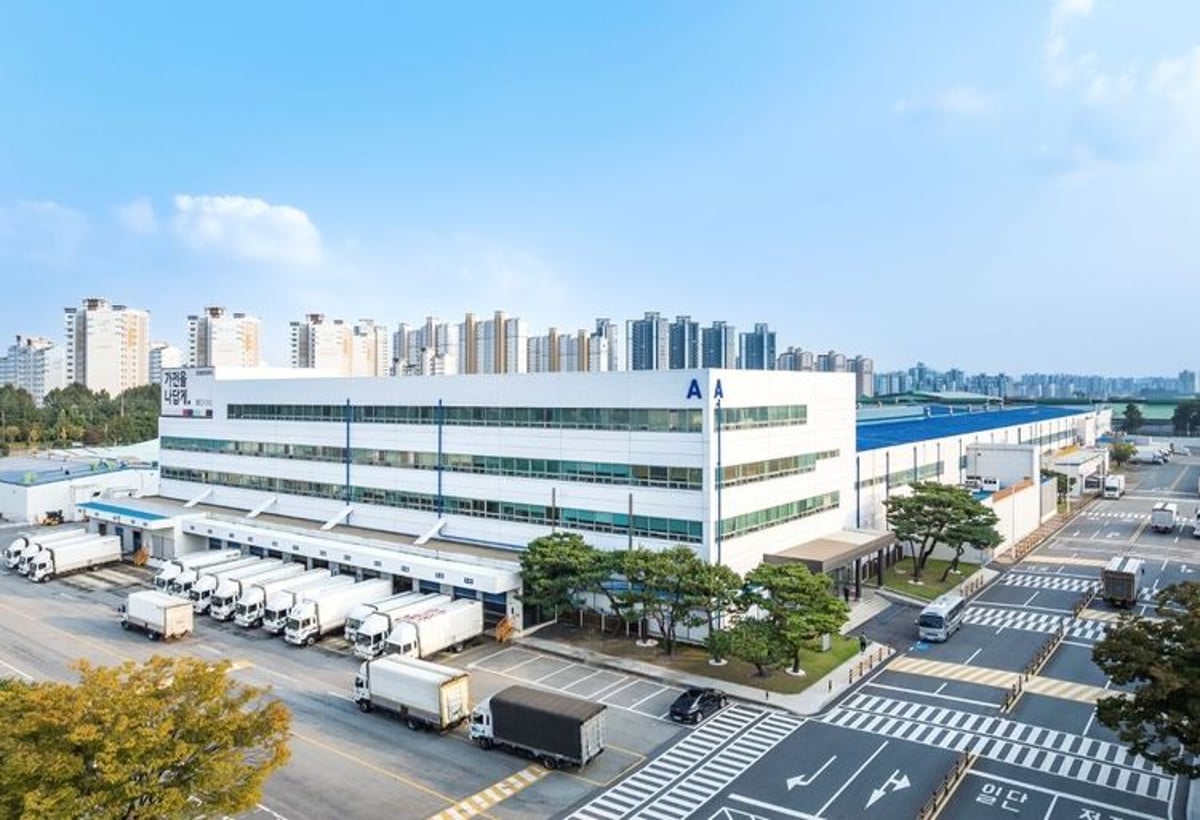
The 21,500-square-meter facility at Samsung's Gwangju operations site will manufacture HVAC products from FläktGroup, the European ventilation and air movement specialist Samsung acquired in 2025. The timing isn't coincidental. As AI models balloon in size and computational intensity, data centers are hitting thermal walls that traditional cooling can't solve.
"Samsung's acquisition of FläktGroup last year puts us in a unique position to expand the HVAC business and transform it into a new growth engine, to become a global top-tier company by 2030," Cheolgi Kim, Executive Vice President and Head of Digital Appliances at Samsung Electronics, told Samsung Newsroom. "This investment in the new production line in Korea will serve as a solid foundation for achieving this goal."
The plant won't start production until 2028, which might seem like an eternity in tech years. But in the capital-intensive world of industrial manufacturing, that's actually an aggressive timeline. Samsung is betting that by the time the facility goes live, AI data center buildouts will be in full swing across Asia, and thermal management will be a critical procurement decision.
FläktGroup already operates 14 manufacturing facilities globally, with recent expansions including Project GAGAN - a new production facility in Pune, Maharashtra, India, set to come online soon. The company actively supplies HVAC systems across the U.S., Europe, and India. Samsung's Gwangju facility will be the network's 15th plant and represents a strategic beachhead into the Korean market, where Samsung clearly sees home-field advantage.
The Korean focus makes strategic sense. The country is racing to build out AI infrastructure, and Samsung wants to be the local supplier of choice rather than watching foreign competitors capture that business. The company plans to supply HVAC facilities and infrastructure across various industrial sectors in Korea, with particular emphasis on AI data centers - the highest-margin, fastest-growing segment of the market.
What Samsung is really selling here isn't just air conditioning at scale. Modern AI data centers require precision cooling solutions that can handle extreme heat densities from thousands of GPUs running 24/7. We're talking about cooling systems that need to manage hotspots, optimize airflow dynamically, and integrate with facility management systems. It's a far cry from the HVAC systems in office buildings.
"By combining Samsung's AI expertise with FläktGroup's HVAC product capabilities, we will be positioned to become an HVAC partner of choice in Korea and across Asia," David Dorney, CEO of FläktGroup, said in the announcement.
That "AI expertise" angle is interesting. Samsung isn't just pitching industrial fans and chillers - the company is positioning itself to build smart cooling systems that can optimize themselves based on workload patterns, predict maintenance needs, and integrate with the broader data center stack. It's infrastructure play meets software play, which is very much Samsung's wheelhouse.
The investment also reflects a broader shift in how tech companies think about vertical integration. Rather than relying on third-party HVAC suppliers, Samsung is building the capability in-house through acquisition and now manufacturing expansion. It's a hedge against supply chain disruptions and a way to capture more margin on data center deals.
But 2028 is a long runway, and a lot can change in AI infrastructure between now and then. Cooling technologies are evolving rapidly, from liquid cooling systems to immersion cooling and even more exotic approaches. Samsung is betting that traditional air-based HVAC - albeit highly advanced versions - will remain a core component of data center design. That's probably a safe bet for enterprise data centers, though hyperscale facilities might go in different directions.
The $158 million price tag is relatively modest for Samsung, a company that regularly makes multi-billion dollar semiconductor fab investments. But HVAC manufacturing doesn't require the same capital intensity as chip production. The real test will be whether Samsung can translate its manufacturing prowess and AI positioning into actual contracts when hyperscalers and enterprises build out their next-generation facilities.
For now, Samsung is playing the long game - building capacity ahead of what it sees as inevitable demand, leveraging an acquisition to enter a new market segment, and positioning itself as an end-to-end infrastructure provider. Whether that bet pays off depends on how quickly AI workloads actually grow, and whether Samsung can compete with established industrial HVAC players who've been in this game for decades.
Samsung's HVAC infrastructure play reveals how the AI boom is reshaping industrial manufacturing and supply chains in unexpected ways. While everyone focuses on GPU shortages and model capabilities, companies like Samsung are quietly positioning themselves to own the unglamorous but essential infrastructure layer. The 2028 timeline means we won't see results for years, but if AI data center buildouts accelerate as predicted, Samsung's early move into specialized cooling could pay off handsomely. The real question is whether traditional HVAC approaches can keep pace with increasingly exotic cooling demands, or whether Samsung will need to pivot its strategy as the technology evolves. For now, the company is betting big that infrastructure bottlenecks will matter just as much as computational ones.