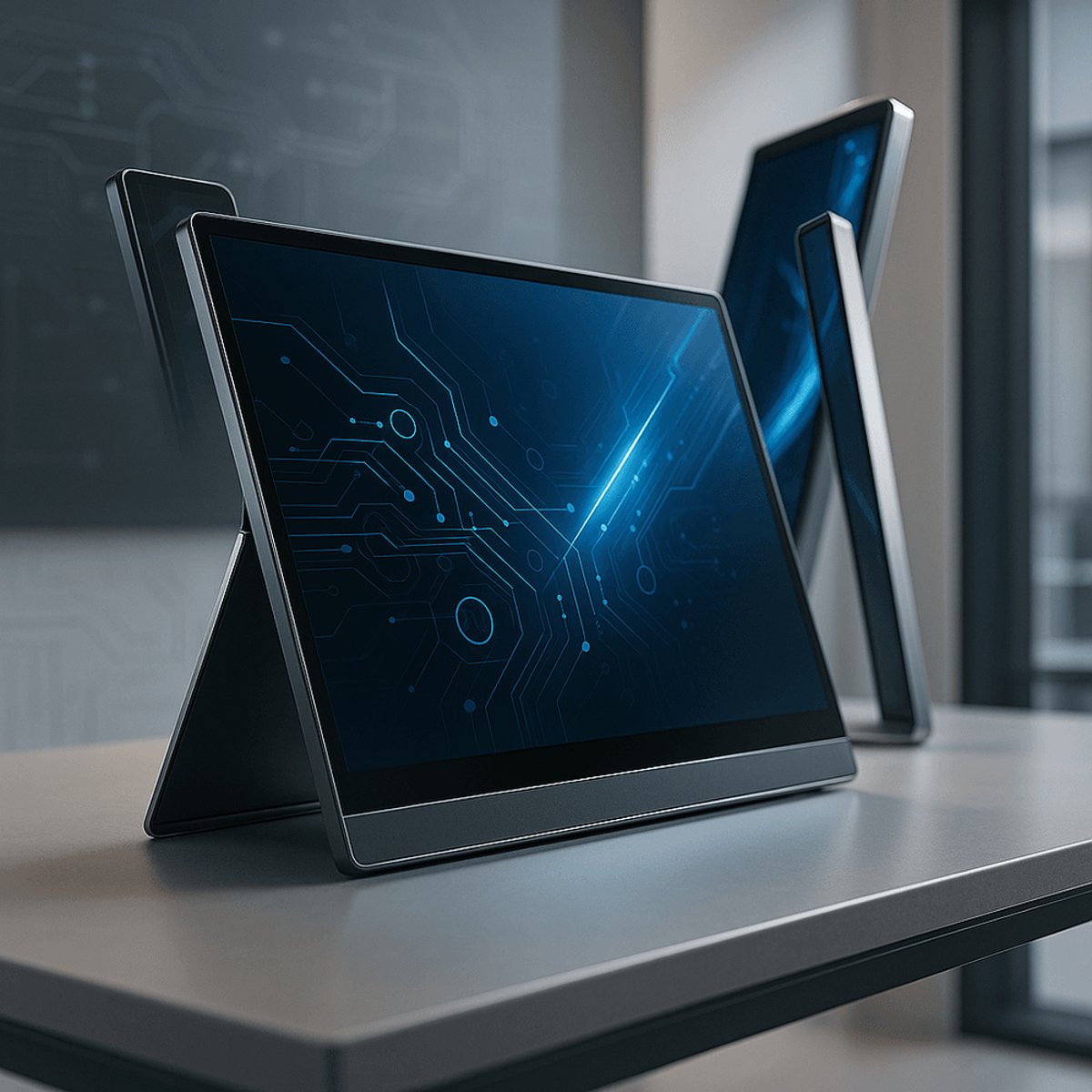
Samsung is creating an entirely new product category with The Movingstyle, a wireless portable touchscreen that merges TV, monitor, and mobile device capabilities. In an exclusive interview with Samsung Newsroom, engineers Seokmin Baek and Michael Kim reveal the technical challenges of pioneering this hybrid display technology, from creating new safety standards to designing a circuit-integrated kickstand that houses power management, cables, and battery components.
Samsung just pulled back the curtain on one of its most ambitious engineering projects - The Movingstyle, a device that's forcing the company to rewrite the rules of what a screen can be. In a rare deep-dive interview with Samsung Newsroom, two key engineers behind the project revealed how they're essentially creating a new product category from the ground up.
Seokmin Baek from Product Planning and Michael Kim from Enterprise R&D didn't mince words about the challenge. "We had to redefine everything - from planning and development to manufacturing - to deliver a completely new user experience," Kim told Samsung Newsroom. The team found themselves working all-nighters not just to build a product, but to establish the very standards by which it would be judged.
The Movingstyle sits at an unprecedented intersection of Samsung's expertise. It's got the portability of a mobile device, the precision of a monitor, and the immersive viewing experience of a TV. But combining these worlds created technical headaches that don't exist in traditional product development. "Unlike TVs, which are typically viewed from a distance, monitors are viewed much closer to the eyes - making them subject to stricter safety standards," Kim explained. Add touch functionality on top of that, and suddenly durability, touch accuracy, and response rate become critical factors too.
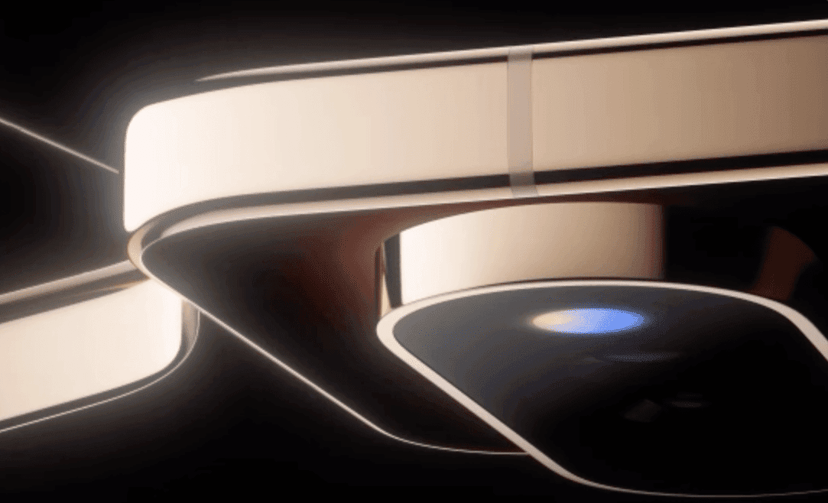
The engineering team's biggest breakthrough came in reimagining the kickstand - a component that looks deceptively simple but houses Samsung's most complex integration work. Rather than going with a standard hinge design that would be easier to manufacture, they opted for what Kim calls a "circuit-integrated design." The sturdy hinge literally houses the cables, power management circuit, and other components in a single module. "An independent standard hinge is far easier to develop and manufacture but significantly less durable," Kim noted. The integrated approach required a more complex design and manufacturing process, but it was key to achieving The Movingstyle's build quality.
This attention to detail extends to seemingly minor elements like port placement. "We especially wanted users to focus entirely on the screen without being distracted by exposed cables," Baek said. So they positioned all connection ports at the center of the rear panel, creating what he calls "a clean and refined finish" that helps the device blend into any space.
The Movingstyle represents the latest evolution in Samsung's portable viewing strategy, following The Sero's pivoting screen for mobile content and The Freestyle's portable projection capabilities. "Along the way, we identified the demand for a seamless viewing experience that lets users instantly open a screen wherever they want," Baek explained. The device can operate completely wirelessly thanks to its built-in battery, or connect to external power when needed.
What makes this particularly interesting is how Samsung is positioning the device for both "lean-forward" and "lean-back" viewing experiences. Users can touch the screen for quick interactions while cooking or moving around, then grab the remote when settling in for a movie. "The Movingstyle is a product that allows users to move naturally between these two viewing experiences," Baek said. The device even switches seamlessly between landscape and portrait modes while attached to its base stand.
But perhaps the most revealing aspect of the Samsung interview was how the company views this as more than just another product launch. "I hope The Movingstyle will be remembered as the starting point of a shift that opens a new chapter in portable touchscreen technology," Kim said. The engineers see themselves as pioneers in what they're calling the "portable screen" category - one that could reshape how people think about displays entirely.
The collaboration required unprecedented coordination across Samsung's typically separate divisions. "The Movingstyle was born from close collaboration across our TV, monitor and mobile teams, achieving a higher level of perfection by bringing together the best technologies from each field," Kim said with obvious pride. "It's an outcome that could only be achieved by a world-leading company with deep technological expertise and product know-how across various categories."
For Samsung, The Movingstyle isn't just about creating a new product - it's about proving the company can define entirely new categories when it combines its diverse technology portfolio. The device is now hitting the market, and its success could determine whether other manufacturers follow Samsung into this hybrid display space or whether the "portable screen" remains a Samsung-only experiment.
The Movingstyle represents more than Samsung's latest gadget - it's a statement about the company's ability to create entirely new product categories by combining its diverse technology expertise. The engineering challenges revealed in this interview show how Samsung is betting big on hybrid devices that blur traditional boundaries between TVs, monitors, and mobile screens. Whether this portable screen category takes off will depend on how consumers respond to Samsung's vision of displays that move with their lifestyles, but the technical foundation is clearly solid.