Samsung just dropped its most comprehensive product showcase in years at Mobile World Congress 2026 in Barcelona. The Korean tech giant unveiled the Galaxy S26 series—its third-generation AI phone—alongside a sweeping ecosystem expansion that includes Galaxy Buds4, Book6 laptops, Watch8, and Tab S11. But the real story is how Samsung's betting big on agentic AI that anticipates user needs before they're asked. With an industry-first Privacy Display, satellite connectivity partnerships across three continents, and an ambitious plan to make its manufacturing networks fully autonomous by 2027, Samsung's making it clear: this isn't just another phone launch.
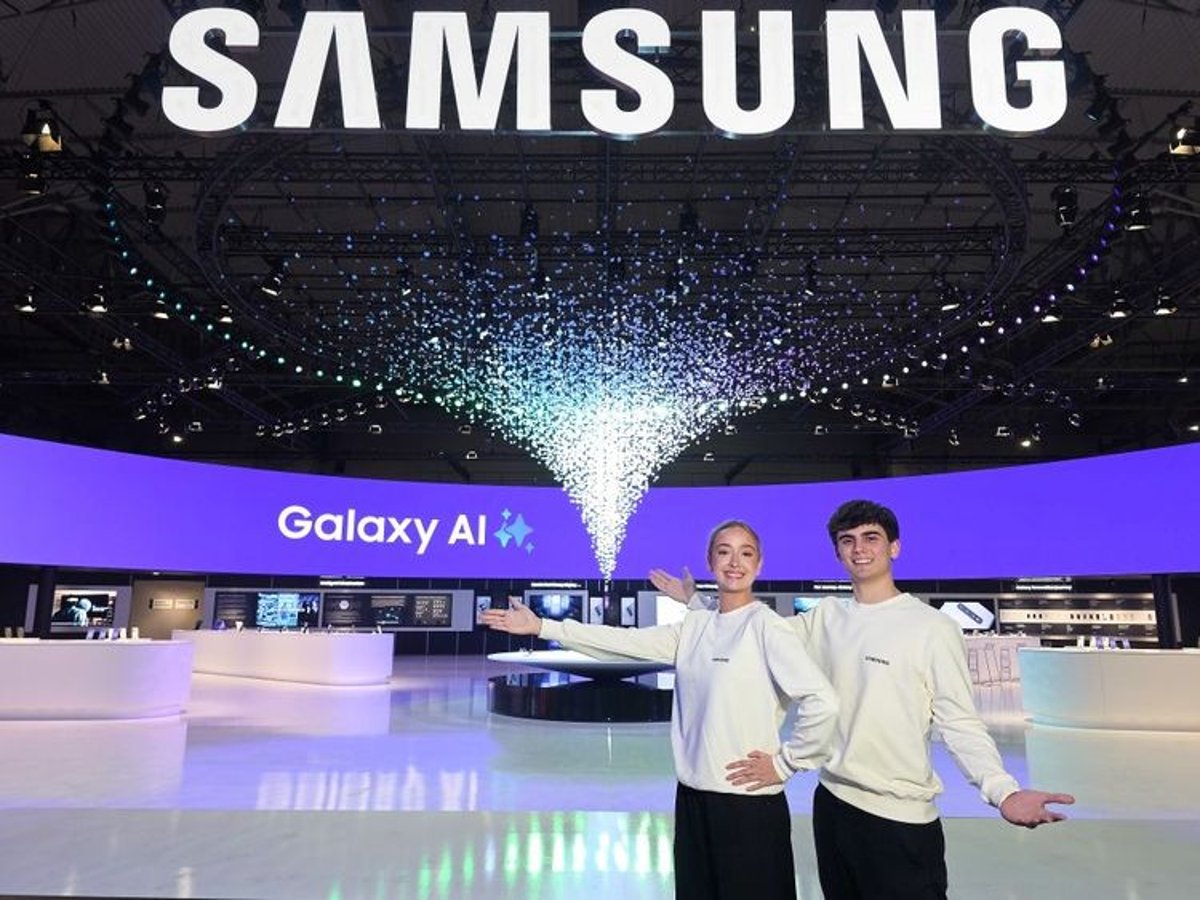
Samsung isn't holding back at MWC 2026. The company's sprawling exhibition at Fira Gran Via showcases what happens when a hardware giant goes all-in on agentic AI—the kind that doesn't just respond to commands but anticipates what you need next.
The centerpiece is the Galaxy S26 series, which Samsung's calling its most intuitive AI phone yet. At its core is the Snapdragon 8 Elite Gen 5 for Galaxy chip, customized specifically for Samsung's flagship. The Galaxy S26 Ultra pairs this with a redesigned vapor chamber that keeps the phone cool even when AI agents are working overtime in the background. This matters because Samsung's vision of agentic AI requires constant processing, analyzing context, and preparing suggestions before users even realize they need them.
The standout hardware innovation is Privacy Display, an industry-first for mobile devices. It controls the screen's viewing angle to limit what people sitting next to you can see, addressing one of the most persistent problems for anyone working in public spaces. You can toggle it on system-wide or for specific apps, though Samsung warns some image quality changes may occur outside the optimal viewing angle.
On the camera front, Samsung's pushing boundaries with wider apertures on the Galaxy S26 Ultra for better low-light performance, enhanced Nightography video with improved noise reduction, and upgraded Super Steady video with a horizontal lock option for cinematic stability. But the real game-changer is Photo Assist, which lets you describe edits in natural language. Want to turn a daytime photo into a night scene? Just ask. Need to restore a missing chunk of that birthday cake someone already ate? Photo Assist can regenerate it. The AI-edited images carry a visible watermark to indicate they've been modified.
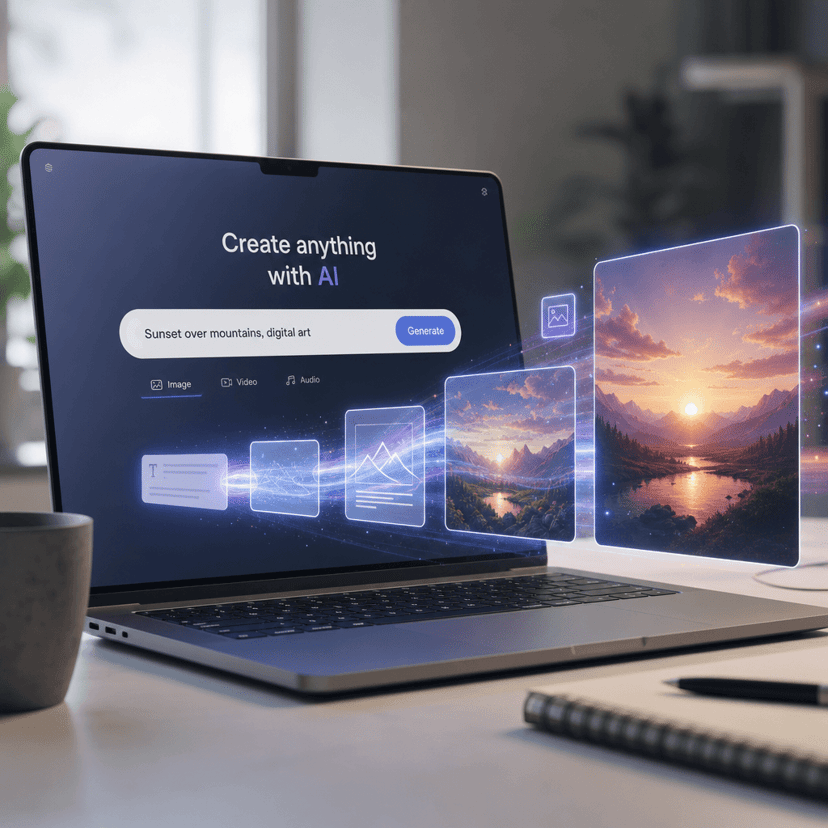
Creative Studio takes this further, transforming images into different styles and generating personalized sticker sets and wallpapers. It's Samsung's answer to the growing demand for AI-powered creativity tools, though accuracy isn't guaranteed and compatibility is limited to Samsung's ecosystem.
The agentic AI features are where Samsung's ambitions really show. Now Nudge surfaces contextual suggestions in real-time—if a friend texts asking for photos, the feature automatically suggests relevant images from your Gallery. Now Brief delivers personalized briefings based on your daily schedule, surfacing content and reminders tailored to your context. These aren't just smart notifications; they're the foundation of what Samsung calls "agentic AI"—technology that takes action on your behalf.
Google's influence is clear in the upgraded Circle to Search, which now analyzes multiple parts of an image simultaneously for faster, more intuitive searching. Samsung's also giving users choice in AI agents: alongside the upgraded conversational Bixby, users can access Gemini and Perplexity through a single entry point. According to TM Roh, Samsung's President and Head of Device eXperience Division, "From the Galaxy S26 series to emerging form factors like Galaxy XR and TriFold, we're pushing the boundaries of what mobile technology can be."
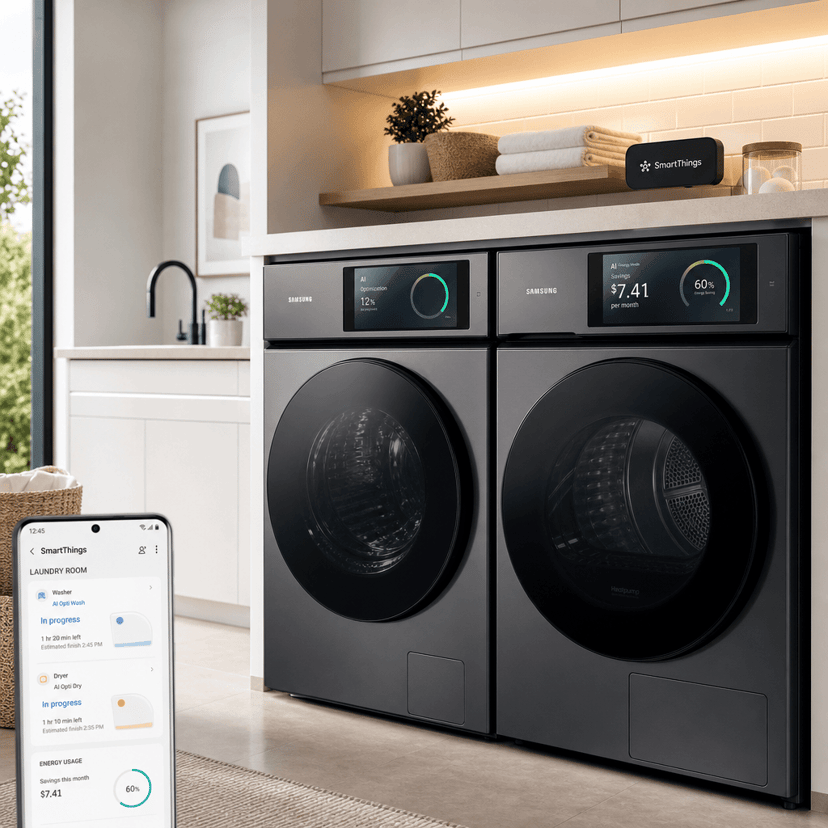
The ecosystem story extends far beyond phones. The Galaxy Buds4 series integrates AI agents for enhanced convenience, while the newly launched Galaxy Book6 Pro and Book6 Ultra showcase powerful performance optimized for productivity. The Galaxy Tab S11 brings enhanced AI to large-screen multitasking, and the Galaxy Watch8 series offers personalized health insights for running, sleep, and mindfulness.
Samsung's satellite connectivity push addresses a critical gap in mobile coverage. Through partnerships with Verizon and T-Mobile in North America, Virgin Media O2 in the UK, and KDDI in Japan, the Galaxy S26 series will support emergency communication when traditional networks fail. Samsung's been building this capability since 2025, and it's now expanding across flagship and Galaxy A series devices, with rollouts phased by regional network availability and regulatory approval.
Beyond consumer devices, Samsung's betting big on intelligent infrastructure. The company's AI-Driven Factories initiative aims to make all global manufacturing operations autonomous by 2030. At MWC, Samsung demonstrated how AI agents, digital twin simulations, and real-time data analysis optimize production, quality control, and operational resilience. This isn't theoretical—Samsung's already transitioning facilities toward this model.
The Connected Care vision got a boost from Samsung's 2025 acquisition of Xealth, which integrates digital health tools directly into physician workflows across hundreds of hospitals. By connecting health metrics from the Galaxy ecosystem with clinical systems, Samsung's positioning itself at the intersection of consumer wellness and healthcare delivery.
On the network side, Samsung's pushing toward fully autonomous networks by 2027. The Samsung CognitiV Network Operations Suite features Agent Fabric, a decision intelligence layer where specialized AI agents handle everything from network planning to troubleshooting. The company's also unveiling "Network in a Server," consolidating multiple network functions into single servers for enterprise AI services like safety monitoring and AR overlays.
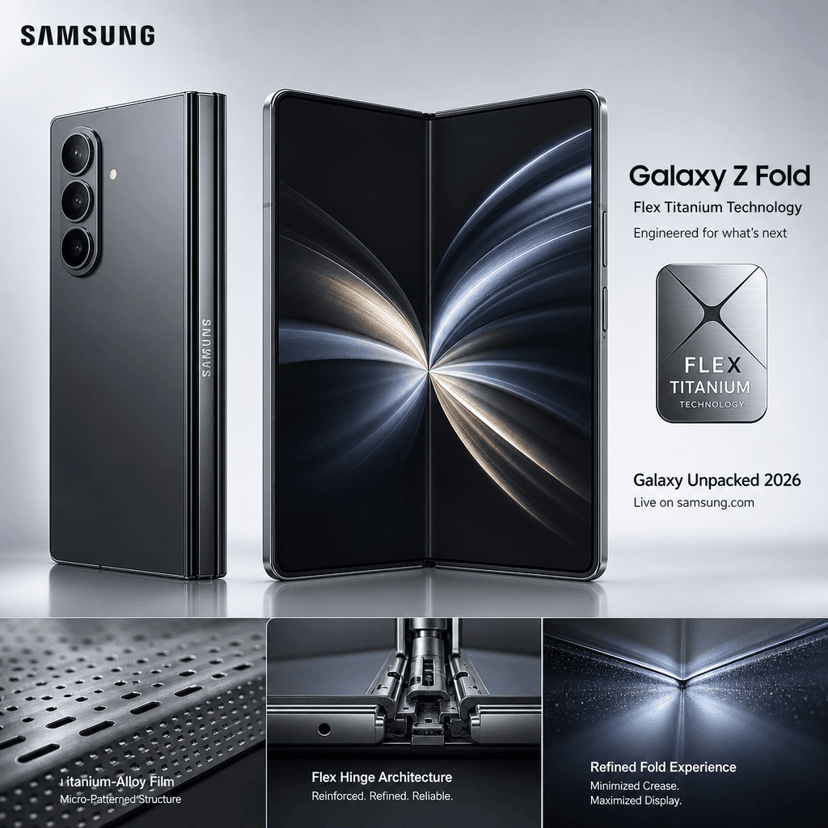
Samsung's also giving attendees hands-on access to Galaxy XR and the Galaxy TriFold, signaling its commitment to next-generation form factors. While details remain sparse, these devices underscore Samsung's long-term innovation roadmap beyond traditional smartphones.
The timing is strategic. As competitors race to define what AI-powered computing looks like, Samsung's staking its claim across the entire stack—from chips and cameras to satellites and factory floors. Whether users want agentic AI managing their daily routines or just a phone with a better camera, Samsung's covering all bases.
Samsung's MWC 2026 presence reveals a company thinking far beyond incremental phone upgrades. The Galaxy S26 series with its agentic AI features, Privacy Display, and satellite connectivity represents Samsung's near-term play, but the real story is the infrastructure beneath it—AI-driven factories, autonomous networks, and health system integrations that position Samsung across consumer and enterprise markets simultaneously. As competitors focus on single breakthrough features, Samsung's building an interconnected ecosystem where AI anticipates needs across devices, manufacturing floors, and cellular networks. Whether this comprehensive approach resonates with consumers or feels like feature overload will become clear in the coming quarters, but Samsung's making its bet: the future of AI isn't just in your pocket, it's woven into every layer of technology around you.