Samsung just kicked off Samsung Week 2025, its largest promotional event, spanning 65 countries through November 1st. The sixth-year anniversary sale now features AI-powered personalized shopping recommendations and has achieved more than fourfold sales growth since launching in just 32 countries. This year's "Where Innovation Begins: From You" theme puts customer data at the center of Samsung's biggest shopping push.
Samsung is betting big on personalized shopping this holiday season. The Korean tech giant launched Samsung Week 2025 across 65 countries yesterday, marking the biggest expansion yet of its flagship promotional event that's now generated more than four times the sales since its 32-country debut.
The timing isn't coincidental - Samsung Week traditionally runs ahead of the company's founding anniversary to thank customers, but this year's October 20th to November 1st window puts it squarely in the critical pre-Black Friday shopping period. According to Samsung's official announcement, the event has evolved from a simple sale into the company's most sophisticated customer engagement platform.
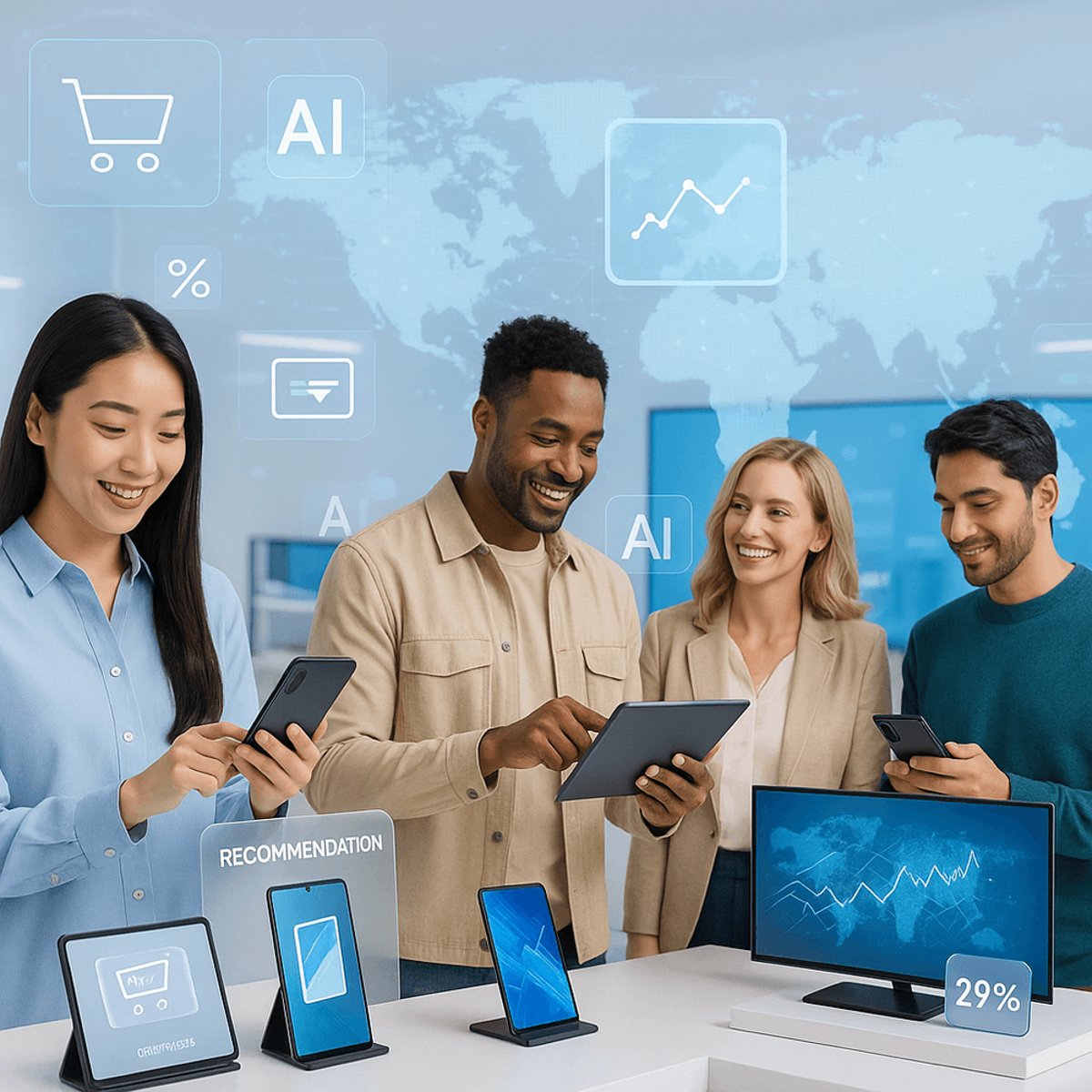
What's different this year is Samsung's new "Personalized Product Recommendation" feature that kicks in when customers log into their Samsung accounts. The system analyzes product replacement cycles, purchase trends among users with similar devices, and available rewards to serve up tailored suggestions. It's Samsung's answer to Amazon's recommendation engine, but specifically tuned to hardware lifecycles rather than impulse purchases.
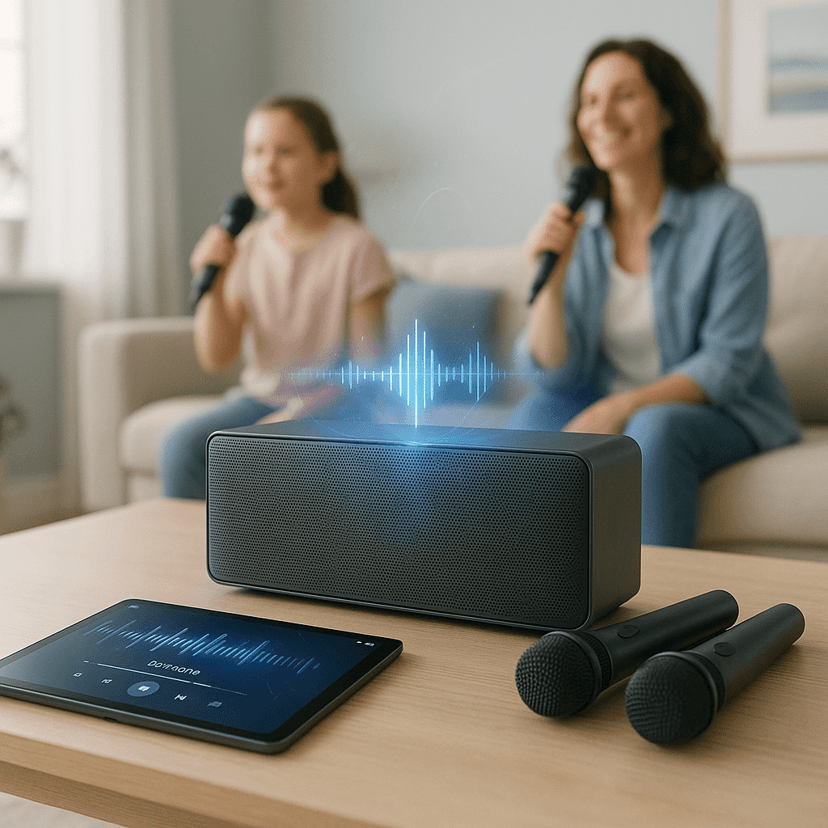
The company's data reveals some interesting consumer trends driving this year's featured products. The Galaxy S25 series tops the best-seller list alongside QLED TVs and Bespoke AI refrigerators, while the most-searched items include the Galaxy Z Fold7, Samsung's Music Frame speaker, and the Bespoke AI Laundry Combo. These aren't just random product picks - they're direct responses to customer behavior analytics.
Samsung has also doubled down on loyalty rewards for frequent customers. Depending on the region, they can redeem accumulated points at higher values, get larger discounts for registering more products to their Samsung accounts, and access enhanced trade-in offers. The Samsung Rewards program now functions essentially like cash on Samsung.com, earned based on purchase amounts and product types.
The scale of Samsung Week's growth tells the story of Samsung's direct-to-consumer push. Starting with mobile live commerce integration and region-specific social media campaigns, the event has become Samsung's primary vehicle for bypassing traditional retail channels. This year's "Where Innovation Begins: From You" theme reinforces Samsung's shift toward customer data as a competitive advantage.
Visually, Samsung isn't holding back either. The campaign is running on digital billboards in Times Square and Piccadilly Circus - two of the world's most expensive advertising real estate locations. It's promotion as product launch, highlighting what Samsung calls "56 years of customer-centric innovation."
The SmartThings integration data is particularly telling. Samsung's highlighting "most registered products on SmartThings" as a featured category, suggesting the company's seeing strong adoption of its connected home ecosystem. For a company competing with Apple HomeKit and Google Nest, that SmartThings engagement represents a crucial moat in the smart home wars.
Frequent shoppers also get access to Samsung Care+, the company's professional product care service that positions Samsung as a premium lifestyle brand rather than just a hardware manufacturer. Combined with the digital sticker packs and social media integrations, it's clear Samsung Week has evolved well beyond a traditional promotional event into a comprehensive brand experience.
Samsung Week 2025 represents more than just seasonal promotions - it's Samsung's most aggressive direct-to-consumer push yet, combining AI-powered personalization with global scale advertising. By doubling from 32 to 65 countries while achieving 4x sales growth, Samsung is positioning this annual event as a critical revenue driver that bypasses traditional retail channels. The emphasis on SmartThings integration and loyalty rewards suggests Samsung sees this as a long-term strategy to build ecosystem lock-in, competing directly with Apple's integrated approach. For consumers, it means better deals through November 1st, but for the industry, it signals how major hardware manufacturers are rethinking customer relationships in an increasingly direct-sales world.