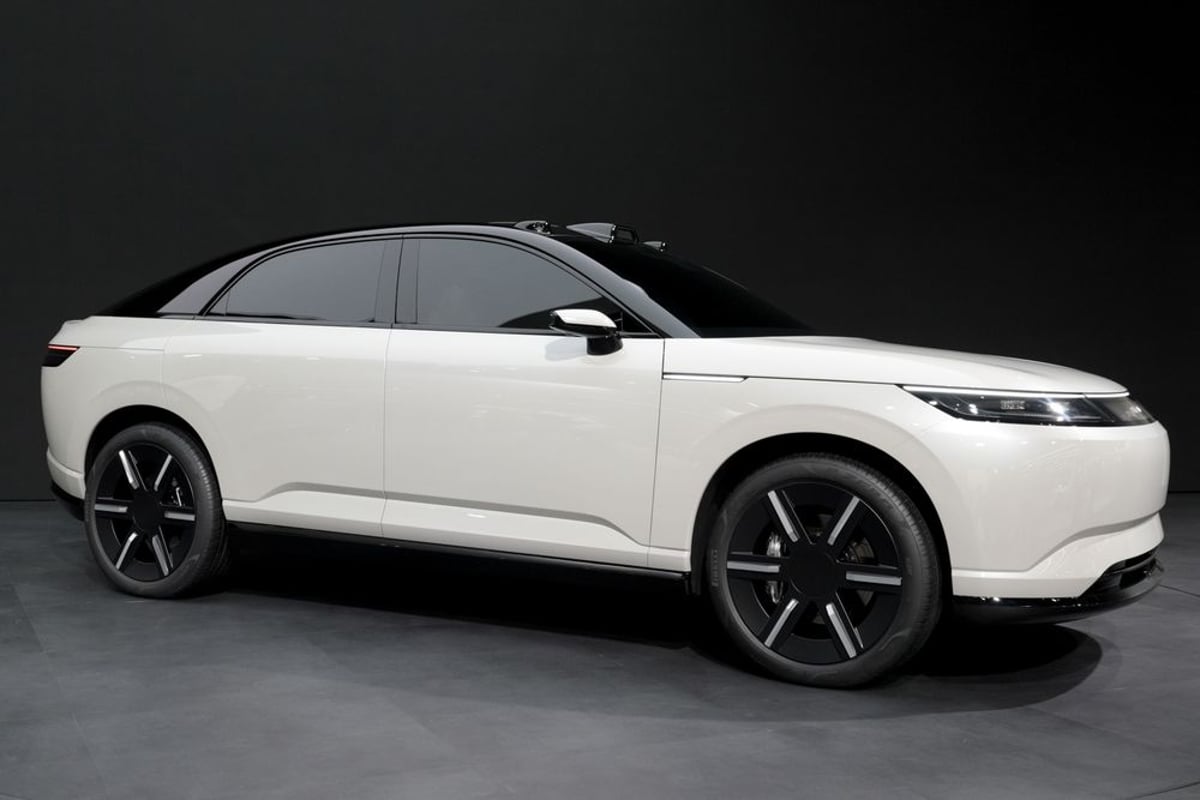
The Sony-Honda electric vehicle dream just died. Sony Honda Mobility announced today it's killing the $90,000 Afeela 1 sedan and its unnamed SUV concept before they ever really got started, marking one of the most spectacular flame-outs in the EV gold rush. The decision comes on the heels of Honda's staggering $15.7 billion writedown on its EV investments - the automaker's first annual loss in over seven decades as a public company.
Sony Honda Mobility just became the latest casualty in the great EV reckoning of 2026. The joint venture between Sony and Honda announced today it's pulling the plug on its entire Afeela lineup - both the $90,000 sedan that was supposed to ship this year and the SUV concept teased at CES 2026. According to the company's official statement, there simply wasn't a "viable path forward" after Honda recalibrated its entire EV strategy.
The timing tells you everything. Earlier this month, Honda dropped a bombshell in its earnings report, announcing a writedown of up to 2.5 trillion yen - that's $15.7 billion with a B - on its electric vehicle investments. The loss represents the company's first red ink in over 70 years as a publicly traded entity, a stunning reversal for an automaker that's been printing money since the 1950s.
The Afeela project was supposed to be different. When Sony and Honda first announced their partnership, the pitch was irresistible - marry Sony's prowess in entertainment, imaging sensors, and user experience with Honda's decades of automotive manufacturing expertise. The Afeela 1 promised features you'd expect from a Sony product: advanced driver assistance systems, immersive in-car entertainment, and a software-first approach that felt more Silicon Valley than Detroit.
But the market had other plans. EV demand has cooled considerably from the fever pitch of 2021 and 2022, when every automaker was racing to announce ambitious electrification targets. Policy uncertainty hasn't helped either. With shifting government incentives and infrastructure buildout slower than anticipated, the calculus for expensive EV programs has fundamentally changed.
Honda's retreat goes beyond just Afeela. The Verge reported earlier this month that the automaker also canceled its Honda Zero EV line and scaled back Acura's electrification plans. The company is essentially hitting the reset button on its entire EV strategy, a remarkable admission of defeat for a project that was supposed to define Honda's next chapter.
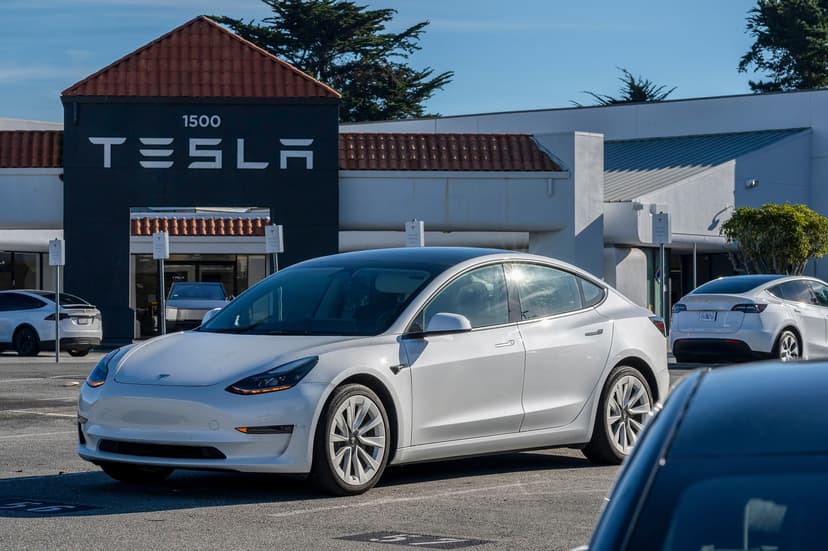
The $90,000 price point for the Afeela 1 now looks wildly optimistic in hindsight. That's Tesla Model S territory, and competing against Elon Musk's charging network advantage and brand loyalty was always going to be an uphill battle. Add in competition from Lucid, Mercedes-Benz EQ models, and BMW's electric lineup, and the Afeela was entering an increasingly crowded luxury EV segment with no clear differentiator beyond the Sony badge.
For customers who actually put down deposits, Sony Honda Mobility says it will process full refunds. The company hasn't disclosed how many reservations it took, but the number was likely modest given how little marketing push the Afeela received compared to other EV launches.
The cancellation also raises questions about the viability of tech-automotive partnerships more broadly. Apple famously killed its car project earlier this year after burning through billions. Now Sony's automotive ambitions are meeting a similar fate. It turns out that making cars - especially electric ones at scale - is harder than making smartphones or PlayStations.
Industry analysts have been warning about this moment for months. The EV transition isn't dead, but the timeline is stretching out and the path is getting messier. Legacy automakers are discovering that electrification requires massive capital investments with uncertain payback periods, while pure-play EV startups are learning that manufacturing at scale is brutally difficult.
What makes Honda's situation particularly painful is that the company was relatively late to embrace EVs compared to rivals like GM and Ford. The Afeela partnership was supposed to help Honda leapfrog the competition by leveraging Sony's tech capabilities. Instead, it became an expensive lesson in the perils of moving too fast into an uncertain market.
The Afeela cancellation is more than just another failed product launch - it's a referendum on the entire EV boom narrative. When a partnership between two industrial giants like Sony and Honda can't make the math work, it signals that the road to electrification is going to be longer and more expensive than anyone predicted. The $15.7 billion writedown at Honda will reverberate across the industry as other automakers reassess their own EV commitments. For now, the question isn't whether EVs are the future, but how many companies will survive long enough to see that future arrive.