The White House just handed Silicon Valley's most powerful executives direct access to federal AI policy. Meta CEO Mark Zuckerberg, Nvidia CEO Jensen Huang, Oracle's Larry Ellison, and Google cofounder Sergey Brin will serve as the first four members of President Trump's revived science and technology advisory council, according to reporting from The Wall Street Journal. The move signals a dramatic shift in how the federal government plans to regulate artificial intelligence, putting industry leaders at the table where the rules get written.
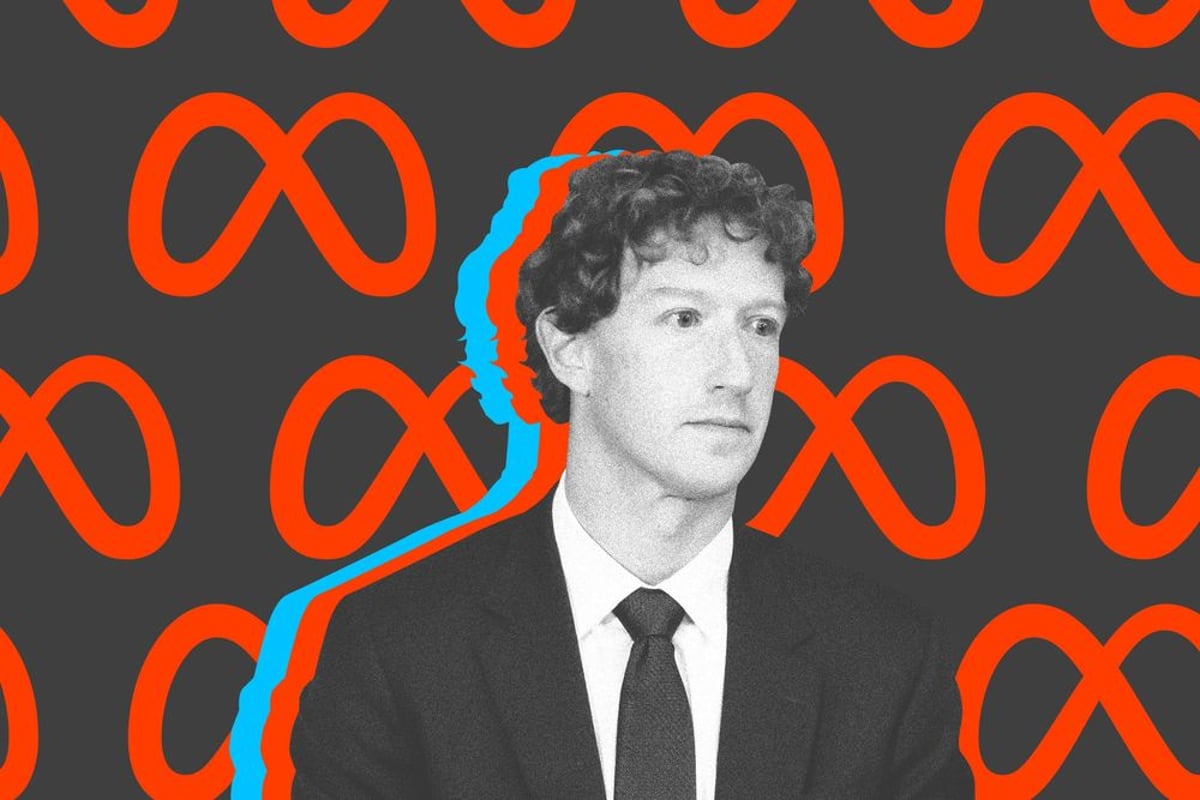
Meta CEO Mark Zuckerberg is heading to Washington, but this time he's got a seat at the table instead of a witness chair. The White House named Zuckerberg, Nvidia chief Jensen Huang, Oracle's Larry Ellison, and Google cofounder Sergey Brin as the inaugural members of the President's Council of Advisors on Science and Technology, a move that puts the architects of America's AI boom in direct conversation with federal policymakers.
The announcement, first reported by The Wall Street Journal, represents a seismic shift in the relationship between Silicon Valley and the federal government. Instead of facing antitrust investigators and hostile congressional hearings, tech's most influential CEOs will now advise the president on the very regulations that could define their industries for decades.
PCAST will kick off with 13 members but could balloon to 24, creating what amounts to a who's who of American tech power. Trump's AI and crypto czar David Sacks and White House tech advisor Michael Kratsios will co-chair the panel, a pairing that telegraphs the administration's priorities: artificial intelligence and digital assets. According to the White House's January announcement, the council will "advise the President on matters involving science, technology, education, and innovation policy."
The composition reads like a guest list for an exclusive AI summit. Huang runs the company whose chips power virtually every major AI system on the planet. Nvidia's H100 and newer Blackwell processors have become the gold standard for training large language models, giving Huang unparalleled insight into the infrastructure needs of the AI revolution. Zuckerberg, meanwhile, has bet Meta's future on AI, pouring tens of billions into developing Llama models and building out massive GPU clusters.
Brin's inclusion is particularly notable given his relatively low profile in recent years compared to other Google leadership. The cofounder left his day-to-day role at Alphabet in 2019 but reportedly returned to work on AI projects as the ChatGPT shock wave hit the industry. His appointment suggests the White House wants input from technical founders, not just professional CEOs.
Ellison's Oracle has positioned itself as a critical infrastructure provider for AI workloads, competing directly with Amazon Web Services, Microsoft Azure, and Google Cloud. The billionaire's close relationship with Trump predates this administration, and his presence on PCAST gives enterprise software a voice alongside consumer tech and semiconductor giants.
The timing couldn't be more critical. Washington is scrambling to figure out how to regulate AI without crushing innovation or ceding ground to China. The EU already implemented its AI Act, setting a regulatory framework that many American companies find overly restrictive. Meanwhile, Beijing has taken a state-directed approach to AI development, pouring resources into domestic champions while restricting access to foreign models.
American tech leaders have generally pushed for a lighter regulatory touch, arguing that prescriptive rules could lock in current approaches and stifle the kind of experimentation that led to breakthroughs like GPT-4 and Gemini. But they've also acknowledged the need for some guardrails, particularly around issues like deepfakes, election interference, and autonomous weapons systems.
Previous administrations kept a more adversarial distance from Big Tech. The Biden White House pursued aggressive antitrust enforcement against Meta, Google, and Amazon, while Trump's first term featured repeated clashes over content moderation and alleged anti-conservative bias. This PCAST lineup suggests a reset, with the administration opting for collaboration over confrontation.
Critics will argue that putting industry insiders in charge of their own regulation creates obvious conflicts of interest. These executives have billions riding on how the government approaches AI safety requirements, export controls on chips, data privacy rules, and antitrust enforcement. Their companies are also locked in fierce competition with each other, raising questions about whether they can provide impartial advice on policies that might advantage one player over another.
But supporters counter that you need people who actually understand the technology making the calls. AI policy can't be written in a vacuum by lawyers and bureaucrats who've never trained a neural network or deployed a production model. The risk of getting it wrong - either by strangling innovation or by allowing unchecked development of potentially dangerous systems - is too high.
The full roster of 13 initial members hasn't been announced yet, leaving open questions about whether the panel will include voices from academia, civil society, or smaller companies. The composition will signal whether PCAST functions as a genuine advisory body or becomes a lobbying channel for the largest players.
The formation of this tech-heavy PCAST marks a pivotal moment in the AI policy wars. By bringing Zuckerberg, Huang, Brin, and Ellison inside the tent, the Trump administration is betting that Silicon Valley's elite can help chart a course that keeps America ahead of China without triggering the kind of AI catastrophe that keeps safety researchers up at night. But it's also handing enormous influence to executives whose companies stand to gain or lose billions depending on which regulations take hold. The next few months will reveal whether this council becomes a genuine forum for balancing innovation and safety, or simply another way for Big Tech to write its own rules. Either way, the decisions made in those White House meetings will ripple through the tech industry for years to come.