Tesla has started production of its Cybercab robotaxi, pushing forward with a controversial two-seat design that's drawn skepticism since its 2024 unveiling. The autonomous vehicle, which lacks a steering wheel and pedals, represents Tesla's bet that most ride-hailing trips don't need four seats - a gamble that could reshape the economics of autonomous transportation or prove to be a costly miscalculation in the race against competitors deploying larger vehicles.
Tesla is moving forward with what many considered an inexplicable design choice. The company has begun producing its Cybercab robotaxi, a two-seat autonomous vehicle that CEO Elon Musk first revealed in October 2024. The production milestone comes after 18 months of sustained criticism about the vehicle's limited capacity.
When Tesla unveiled the Cybercab at its robotaxi event in 2024, industry observers and consumers alike questioned the logic. Traditional taxis seat four passengers, and competitors like Waymo and Cruise deploy modified SUVs with even more room. Why would anyone build an autonomous taxi that can only carry two people?
The skepticism played out across social media for months. "You could strap a few people to the roof for a special discount," quipped one Reddit commenter, capturing the prevailing sentiment. The joke highlighted real concerns about the vehicle's utility in a market where group travel and families represent significant rideshare demand.
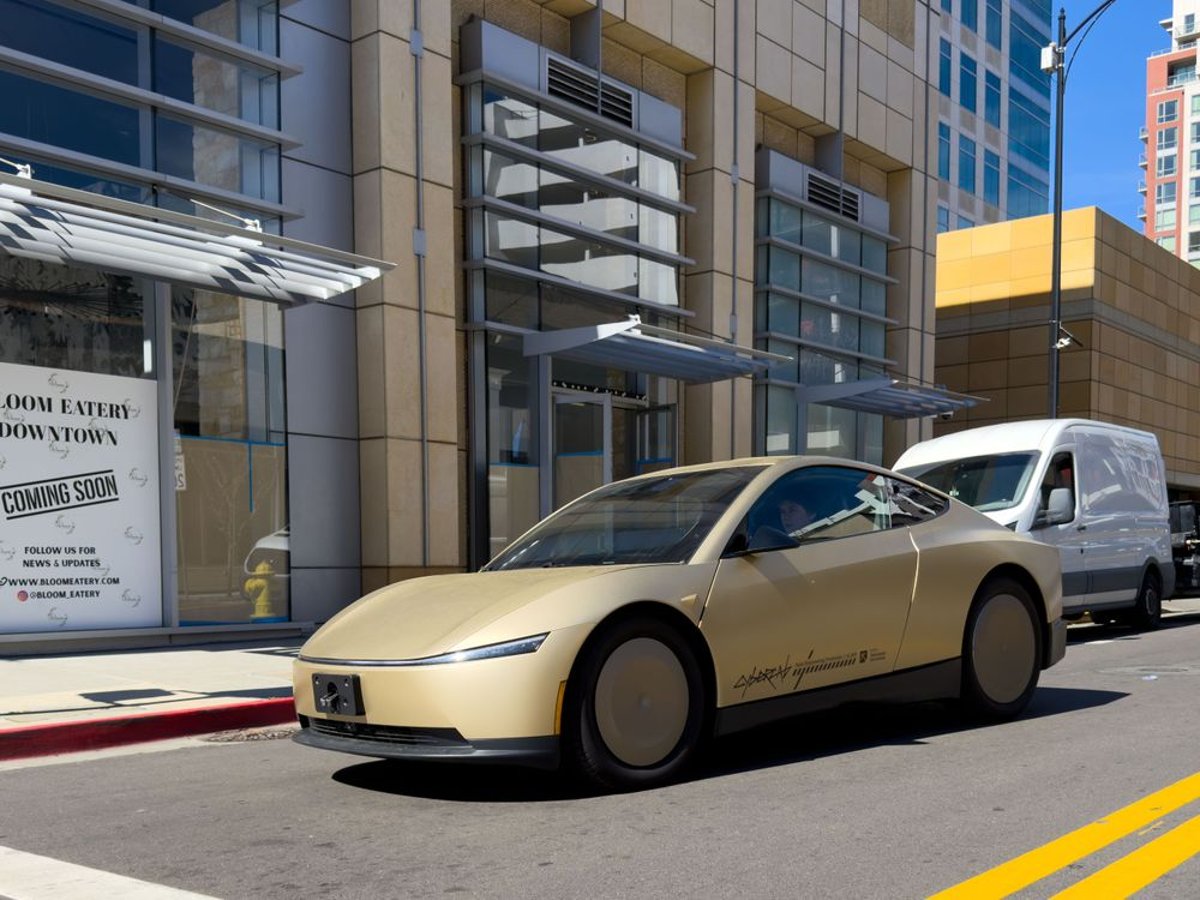
But Tesla appears to be playing a different game. The Cybercab's compact two-seat configuration isn't a limitation - it's the entire strategy. Test vehicles have been spotted on San Jose roads since early March 2026, lacking the steering wheels and pedals that define traditional cars. These aren't modified consumer vehicles like competitors use. They're purpose-built for autonomous operation from the ground up.
The economics tell a compelling story. Ride-hailing data consistently shows that roughly 70-80% of trips involve just one or two passengers. By eliminating rear seats, Tesla can reduce vehicle weight, improve aerodynamics, and cut manufacturing costs. In a robotaxi fleet that might complete dozens of trips daily, those savings compound quickly. Lower weight means extended battery range. Better aerodynamics means reduced energy consumption. Cheaper production means faster fleet deployment.
Tesla also avoids the regulatory complexity that's hampered competitors. Waymo spent years and billions navigating safety certifications for modified Chrysler Pacificas and Jaguar I-Paces. Cruise faced intense scrutiny after safety incidents in San Francisco. By starting fresh with a vehicle designed exclusively for autonomous operation, Tesla sidesteps questions about adapting human-driven cars.
The timing coincides with Tesla's broader push into Full Self-Driving technology, which has progressed from driver assistance to increasingly autonomous capabilities. The Cybercab represents the endpoint of that evolution - a vehicle where human control isn't just unnecessary but physically impossible.
Yet significant questions remain. How will Tesla handle the 20-30% of rides that require more seats? Will customers accept paying similar prices for less space? Can the company achieve the regulatory approvals needed for truly driverless operation at scale? Waymo operates in limited geographies after years of testing. Tesla is attempting to leapfrog that timeline.
The production start also positions Tesla against not just traditional automakers but tech giants with autonomous ambitions. Alphabet's Waymo has completed millions of autonomous miles. Amazon's Zoox is testing purpose-built robotaxis in Las Vegas. Even Apple explored autonomous vehicle technology before reportedly shelving those plans. The autonomous transportation market could reach $2 trillion by 2030, according to industry analysts.
For now, test vehicles in San Jose represent just the beginning. Tesla hasn't announced commercial service dates or pricing. The company's history of missed deadlines - the Cybertruck arrived years late - suggests caution about any timeline. But the first production Cybercabs rolling off the line mark a definitive shift from concept to reality.
Tesla's Cybercab production start forces the industry to confront an uncomfortable question: are we designing autonomous vehicles for how transportation works today, or how it could work tomorrow? The two-seat configuration might seem limiting, but it reflects hard economic realities about fleet operation costs and trip patterns. Whether customers embrace that vision or demand the familiarity of traditional taxi capacity will determine if Tesla's calculated risk becomes the industry standard or a cautionary tale about overengineering for efficiency at the expense of practicality.