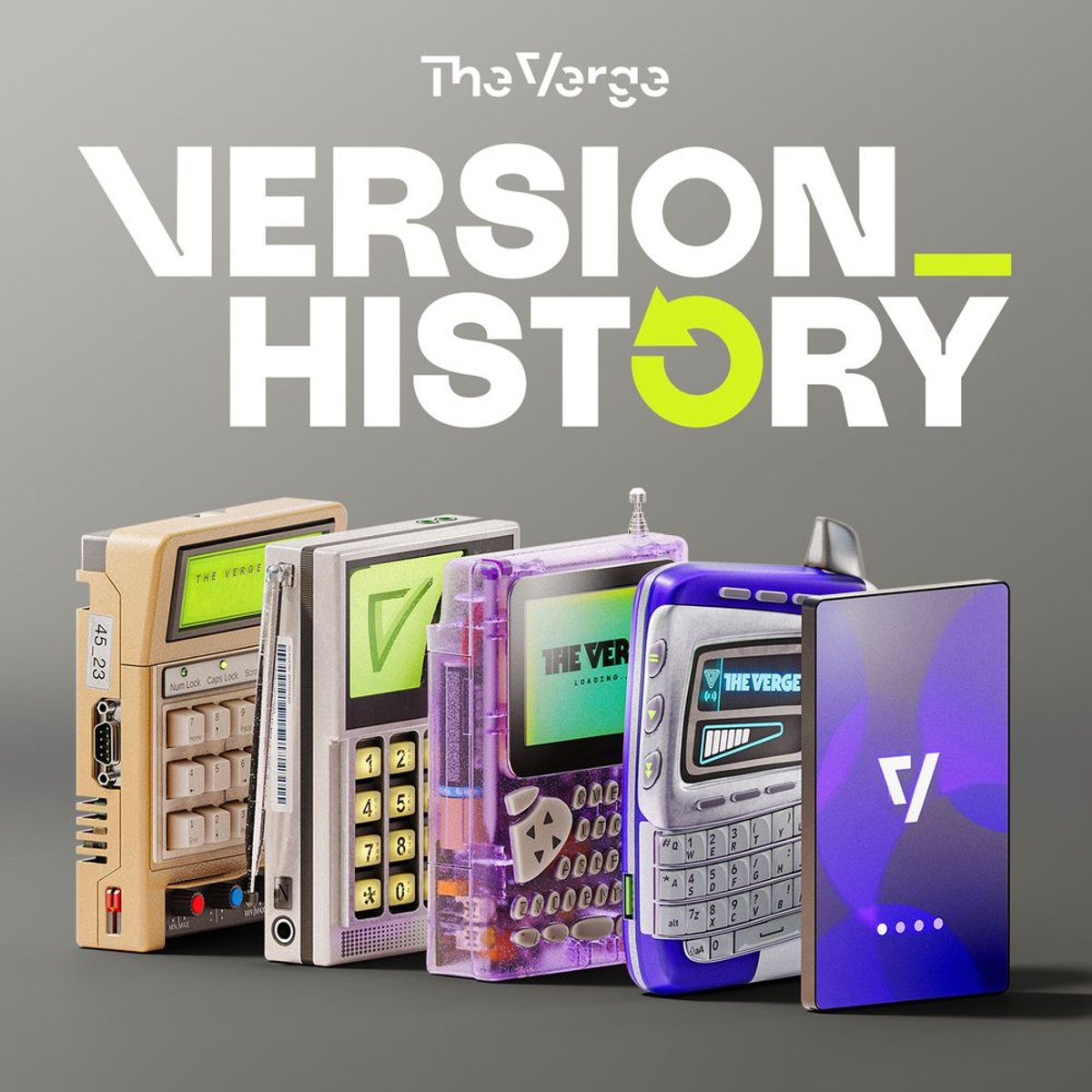
The Verge just dropped something different in the crowded podcast space - a tech nostalgia show that treats gadgets like canceled TV series. Version History, hosted by David Pierce, Andy Hawkins, and Sean O'Kane, launched with an hour-long deep dive into hoverboards that reveals how a simple two-wheeled scooter became a window into Chinese manufacturing, social media influence, and autonomous vehicle debates. It's basically a rewatch podcast, but for technology.
The Verge just launched something that feels both familiar and fresh in the podcast landscape. Version History isn't your typical tech news show - it's what happens when you apply the rewatch podcast format to technology's greatest hits and misses.
The debut episode, "Hoverboards: so hot right now," doesn't just chronicle the rise and fall of those self-balancing scooters that dominated 2015. According to David Pierce, the show's co-host, the hoverboard story reveals "a crucial inflection point in Chinese tech manufacturing" and serves as a early referendum on self-driving car acceptance. It's the kind of connective tissue that makes tech history compelling rather than just nostalgic.
The Verge team isn't reinventing podcasting here - they're borrowing the proven formula from shows like The Always Sunny Podcast and Office Ladies, where creators revisit their work episode by episode. But instead of TV episodes, Pierce, Andy Hawkins, and Sean O'Kane are dissecting products that shaped how we live and work.
The timing feels right for this approach. We're far enough from the smartphone revolution to have perspective on what worked and what didn't, but close enough that the people who built these products are still around to tell their stories. The show promises to dig into the executive battles, cultural forces, and individual taste-makers that determined why some products succeeded while others became footnotes.
What sets Version History apart is its multimedia approach. While most podcasts grudgingly add video versions, The Verge designed this show for both formats from the start. "We brought all the old gadgets into the studio and got to play with them," Pierce explains in the launch announcement. There's something powerful about seeing these devices handled again with fresh eyes, especially when they're products that briefly dominated our attention before disappearing.
The show's ambitions go beyond nostalgia tourism. "Nothing in tech is ever inevitable," Pierce notes, pushing back against the mythology that successful products were obviously destined for success. Every episode aims to tell a product's complete story - from conception through cultural impact to eventual obsolescence or evolution.
Eight episodes are already in the can, covering everything from BlackBerry Messenger to Microsoft's Zune to LimeWire. That's a smart content strategy that lets the hosts find their rhythm while ensuring consistent weekly releases. The variety also suggests they're not limiting themselves to obvious tech darlings - LimeWire represents a fascinating case study in how legal pressure can kill even wildly popular products.
The podcast landscape is brutal right now, with major networks canceling shows and advertising dollars shrinking. But The Verge has advantages that independent creators lack: institutional memory, industry connections, and the resources to actually acquire and demonstrate vintage hardware. When they cover the Zune, they can probably get their hands on an actual device rather than describing it from memory.
There's also strategic value in this format for The Verge's broader content ecosystem. These deep dives into tech history create evergreen content that doesn't lose relevance the way daily news coverage does. A well-crafted episode about the iPhone's development will be interesting in five years; a hot take about quarterly earnings won't.
The show arrives as the tech industry itself is becoming more historically conscious. Companies are starting to preserve their own archives, former executives are writing memoirs, and there's growing recognition that the first wave of the internet era produced lessons worth studying. Version History positions The Verge as both chronicler and analyst of that evolution.
Success will depend on execution - can they make product development drama as compelling as behind-the-scenes Hollywood stories? The hoverboard episode suggests they understand the assignment, using a seemingly simple gadget to explore manufacturing globalization, influencer marketing, and regulatory challenges that still shape tech today.
Version History represents a smart content bet for The Verge - it's educational without being academic, nostalgic without being sentimental, and technical without being dry. If they can maintain this balance across future episodes, they'll have created something unique in the tech podcast space: a show that treats our digital artifacts with the same analytical rigor we apply to art, literature, or film. In an industry obsessed with what's next, there's real value in understanding what came before.