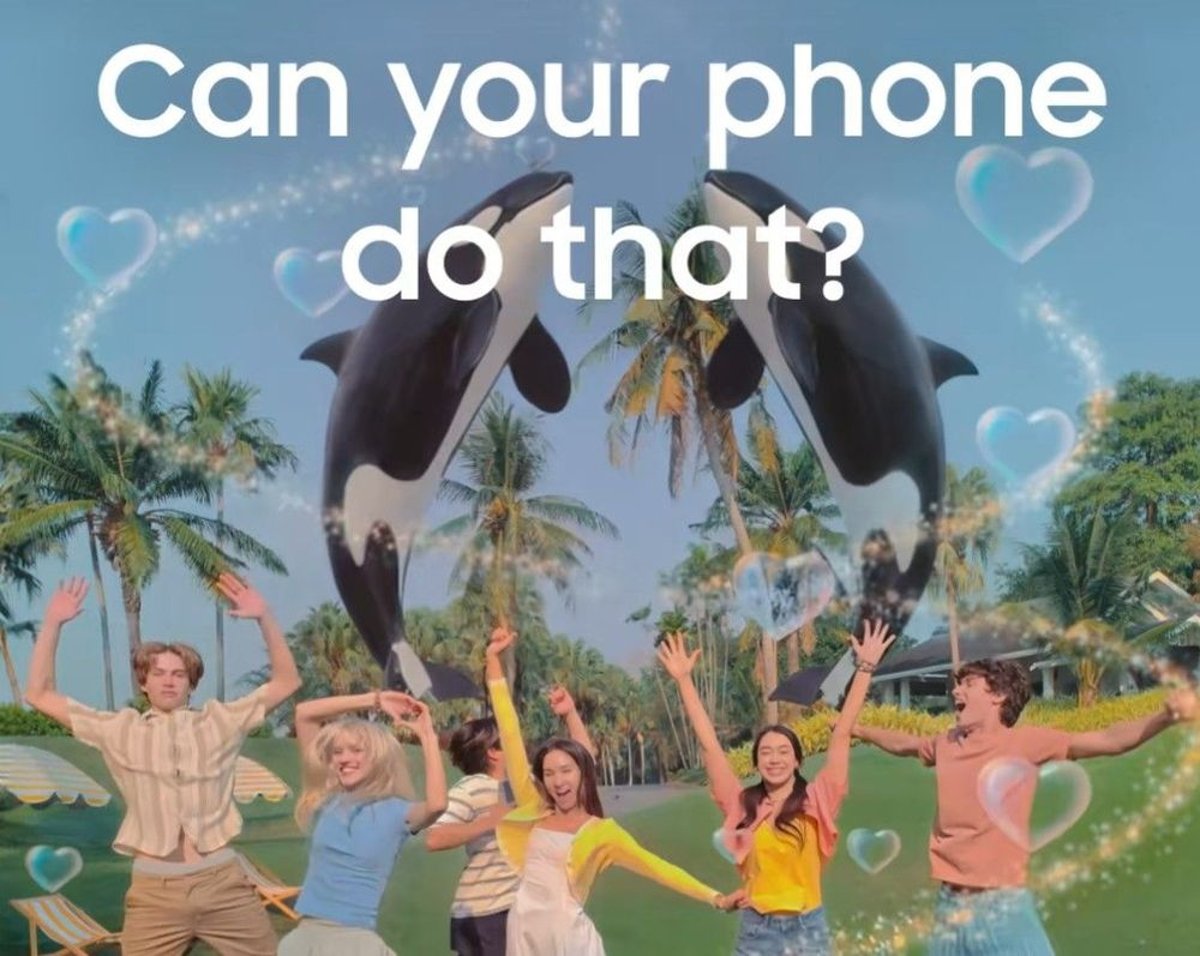
TikTok's AI advertising disclosure policy has a serious enforcement problem. Major brands like Samsung are running promotional content that appears to use generative AI tools without the required labels, leaving users in the dark about what's real and what's synthetic. Despite the platform's stated requirements for AI transparency in ads, companies are regularly skirting the rules with no apparent consequences—and that's raising urgent questions about who's responsible for keeping AI-generated content honest.
Samsung is promoting AI editing tools on TikTok without telling viewers which parts of its ads were actually made with AI. And it's not alone. The disconnect between TikTok's stated AI disclosure policies and what's actually appearing in users' feeds has become impossible to ignore.
According to The Verge's investigation, reporters spent weeks scrutinizing promotional content for the telltale signs of generative AI—unusual lighting, impossible camera angles, suspiciously perfect compositions. But without the AI labels that TikTok's advertising policies supposedly require, there's no way to know for certain. The companies creating these ads know the truth. They're just not sharing it with the rest of us.
This isn't a small loophole. TikTok rolled out its AI disclosure requirements specifically to address growing concerns about synthetic media flooding social platforms. The rules seemed straightforward: if you use generative AI tools to create or substantially alter advertising content, you need to label it. But enforcement appears to be another story entirely.
Samsung makes for a particularly revealing case study. The company has publicly positioned itself as a supporter of AI transparency initiatives, even participating in discussions around the Coalition for Content Provenance and Authenticity (C2PA) standards for digital content authentication. Yet several promotional videos on its TikTok accounts showcase AI editing capabilities without any disclosure about whether AI was used to create the ads themselves.
The irony cuts deep. Here's a company selling AI-powered photo and video editing tools—features that can transform reality with a tap—while potentially using those same tools in marketing materials without disclosure. The fine print doesn't always contain answers either. Standard advertising disclaimers mention product features but stay silent on how the promotional content itself was generated.
What makes this particularly frustrating for users is the asymmetry of information. Brands and their agencies know exactly which tools they used to create each piece of content. They have the production records, the software licenses, the workflow documentation. That knowledge stays internal while consumers are left playing detective, trying to spot AI artifacts in their feeds.
The pattern extends beyond Samsung. Multiple major advertisers appear to be running campaigns on TikTok that could involve generative AI without proper labeling. The problem isn't limited to one category or industry—it spans consumer electronics, fashion, entertainment, and more. And TikTok hasn't publicly addressed any enforcement actions or policy violations.
This enforcement gap matters because AI-generated content is becoming harder to identify. Early generative tools produced obvious tells—weird hands, distorted faces, impossible physics. Modern systems create increasingly convincing synthetic media. Without clear labeling, even trained observers struggle to separate real from artificial.
The advertising industry has faced transparency challenges before. Native advertising sparked similar debates about disclosure when editorial and promotional content started blending together. Influencer marketing required new rules about #ad hashtags and sponsorship disclosures. But AI-generated content presents a different challenge entirely. It's not just about who paid for the message—it's about whether what you're seeing actually exists.
Voluntary compliance clearly isn't working. Companies that publicly support AI transparency are quietly ignoring disclosure requirements when it comes to their own marketing. Platform policies without enforcement mechanisms are effectively suggestions. And users are stuck in the middle, unable to trust what they're seeing in their feeds.
The stakes go beyond marketing ethics. As generative AI becomes more sophisticated and accessible, the line between real and synthetic content will keep blurring. Establishing clear disclosure norms now—and actually enforcing them—could help maintain some baseline of trust in digital media. Failing to do so sets a precedent that transparency is optional.
TikTok hasn't responded to questions about how many advertisers have been flagged for policy violations or what consequences exist for non-compliance. That silence speaks volumes about the current state of enforcement. Brands appear to be calculating that the risk of ignoring disclosure rules is minimal compared to the hassle of implementing proper labeling systems.
The broader tech industry is watching this unfold with interest. Other platforms have similar AI disclosure policies with similarly unclear enforcement. If major brands can skip labeling requirements on TikTok without consequences, what incentive exists to comply anywhere else? The gap between policy and practice is becoming a canyon.
The failure of TikTok's AI disclosure policy reveals what happens when platforms create rules without enforcement teeth. Major brands are ignoring transparency requirements because they can, and users are losing the ability to distinguish real content from synthetic media in their feeds. Without meaningful consequences for non-compliance, voluntary AI labeling initiatives across the tech industry are proving to be little more than performance. The question now is whether platforms will start actually enforcing their stated policies before the gap between AI marketing promises and advertising reality becomes impossible to bridge. What's clear is that leaving disclosure up to the honor system isn't working—and the companies with the most to gain from AI tools are the least likely to voluntarily limit how they use them.