Truecaller is pushing back against India's telecom regulator over anti-spam measures that the company says are backfiring spectacularly. The Swedish caller ID giant warns that users are now blocking and ignoring calls from India's dedicated business number series - the very system designed to make commercial calls more transparent and trustworthy. The clash puts a spotlight on how regulatory efforts to curb spam can sometimes create new problems in the $2.3 billion Indian telecom market.
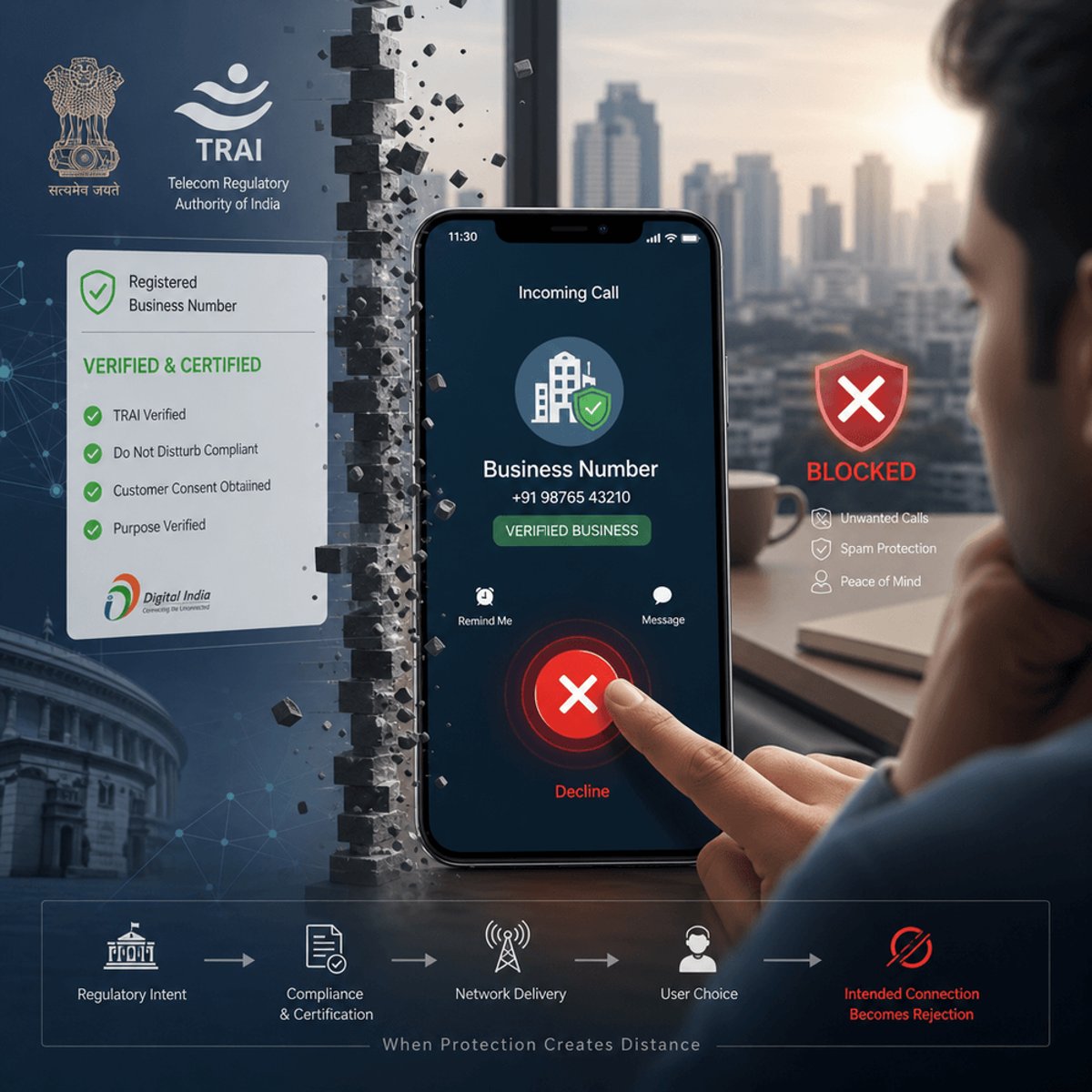
Truecaller, the caller ID app that's become essential infrastructure for millions fighting phone spam, just fired a warning shot at India's telecom establishment. The company is calling out the Telecom Regulatory Authority of India (TRAI) over anti-spam regulations that it says are creating an ironic new problem - users are now reflexively blocking the very business numbers that were supposed to build trust.
The controversy centers on TRAI's mandate requiring businesses to use a dedicated number series for commercial calls. The idea seemed straightforward enough - segregate business communications so users could easily identify legitimate companies versus potential scammers. But Truecaller's data tells a different story. Users who've been conditioned to be hyper-vigilant about spam are now treating these official business numbers with the same suspicion they'd give to obvious spam calls.
For Truecaller, India isn't just another market. The country represents the company's crown jewel, with more than 300 million users who've turned the app into their first line of defense against an avalanche of unwanted calls. The Swedish company has built its entire business model around solving a problem that plagues India more than perhaps any other major market. Indians receive an estimated 150-200 million spam calls daily, making call filtering apps not a luxury but a necessity.
The regulatory framework came from good intentions. TRAI and India's Ministry of Electronics and Information Technology (MeitY) have been waging an aggressive campaign against spam calls and fraudulent communications. The dedicated business number system was meant to create transparency - a way for users to instantly recognize when a bank, delivery service, or legitimate business was calling versus a scammer spoofing numbers.
But implementation has run into the law of unintended consequences. Truecaller's user behavior data suggests that people have become so conditioned to block and ignore unfamiliar patterns that even officially sanctioned business numbers trigger the same defensive response. It's a classic case of regulation trying to change user behavior without accounting for how deeply ingrained spam-avoidance habits have become.
The timing of this clash is particularly sensitive. India's telecom sector is undergoing massive digital transformation, with the government pushing aggressive digitalization initiatives while simultaneously cracking down on digital fraud and spam. TRAI has been increasingly active in regulating how tech platforms operate in India, particularly when it comes to communications infrastructure.
Truecaller's challenge puts the regulator in an awkward position. Acknowledge that the rules aren't working as intended and you admit regulatory failure. Double down on the current approach and risk alienating both businesses who can't reach customers and platforms like Truecaller that have actually succeeded in managing spam where regulations haven't.
The broader context matters here too. This isn't just about one app versus one regulator. India has become a critical testing ground for how governments worldwide approach platform regulation, spam prevention, and digital consumer protection. From WhatsApp's encryption battles to Google's antitrust scrutiny, tech companies are navigating an increasingly assertive regulatory environment in India.
For businesses operating in India, the situation creates real operational headaches. Banks trying to send transaction alerts, e-commerce companies confirming deliveries, and service providers scheduling appointments all depend on reaching customers by phone. If users are blocking these officially sanctioned numbers, it undermines the entire customer communication infrastructure that digital India depends on.
Truecaller hasn't publicly detailed exactly what changes it wants TRAI to make, but the company's concerns point to a need for more nuanced approaches to spam prevention. Simple categorical solutions - like dedicated number series - don't account for sophisticated user behavior and the complex ecosystem of legitimate business communications versus actual spam.
The dispute also raises questions about who gets to define what constitutes spam in the first place. TRAI's regulations take a top-down approach, but Truecaller's model relies on crowdsourced data and user reports. When these two paradigms clash, it reveals fundamental tensions about how to balance regulatory authority with user autonomy and platform intelligence.
This showdown between Truecaller and TRAI encapsulates a defining challenge of the digital age - how do you regulate technology problems when users have already developed their own solutions? India's spam call epidemic is real and demands action, but when regulatory fixes create new problems that undermine their own goals, it's time to rethink the approach. As India continues pushing digital transformation while cracking down on digital abuse, finding the right balance between platform innovation and regulatory oversight will determine whether the country's digital economy thrives or gets strangled by well-intentioned but poorly executed rules. For now, Truecaller's warning shot suggests the current path isn't working, and both regulators and platforms need to go back to the drawing board.