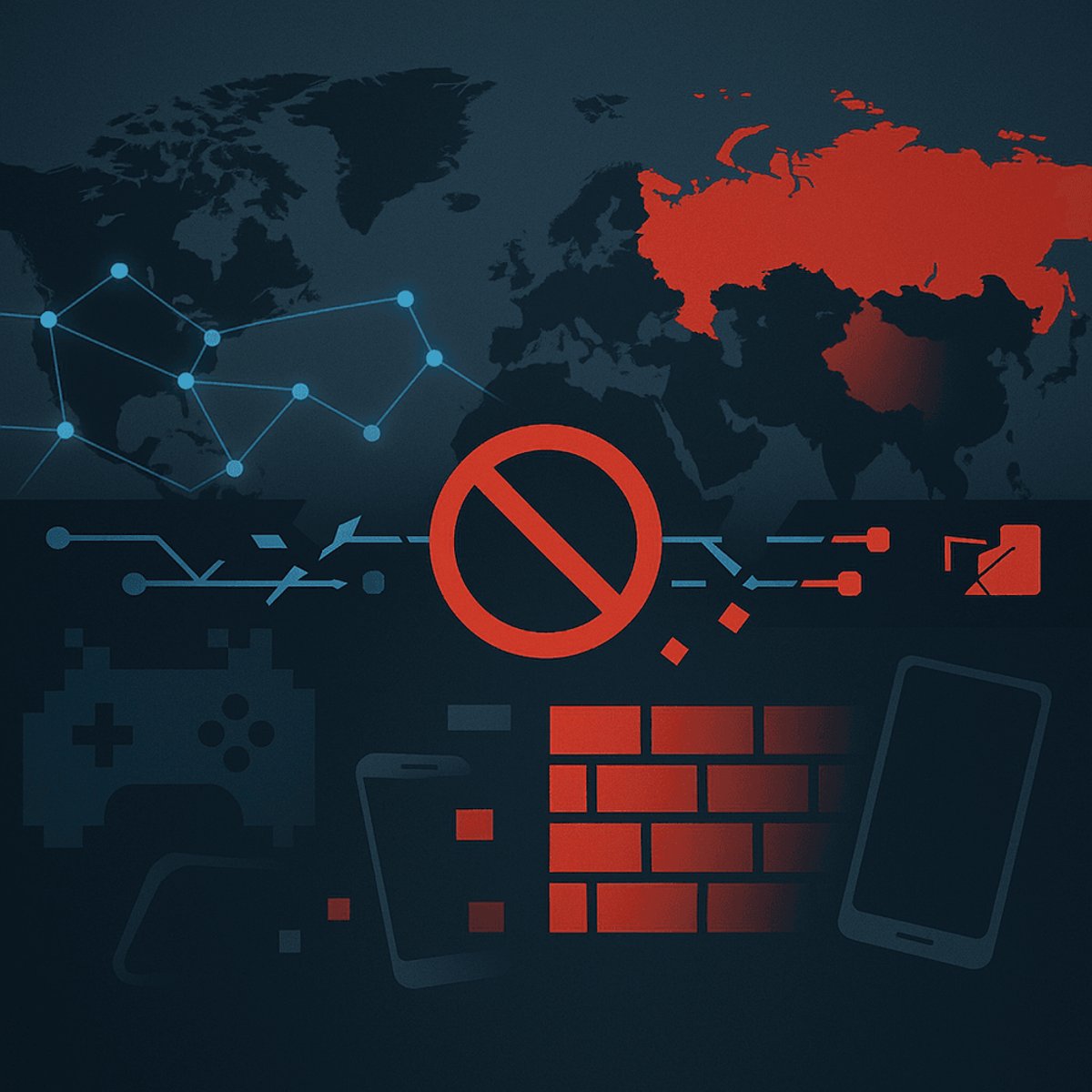
Russia has banned Roblox entirely, cutting off an estimated 70 million users who had installed the gaming platform on mobile devices. The country's communications agency specifically cited LGBTQ content as grounds for the prohibition, marking another escalation in Russia's crackdown on digital platforms that host communities deemed "extremist" under local laws.
Roblox just lost one of its biggest international markets overnight. Russia's communications agency has banned the user-generated gaming platform entirely, according to reports from TASS, the state-owned news agency. The decision specifically targets LGBTQ content on the platform, which Russian law now classifies as "extremist activity."
The numbers tell the story of what Roblox is losing - Appfigures data shows the platform racked up 70 million mobile installations in Russia, with 8 million downloads in 2025 alone before the ban hit. That's a massive chunk of users suddenly cut off from a platform that thrives on community engagement and user-generated content.
Russian regulators didn't mince words about their reasoning. The platform hosts "various interest-based and affinity communities, including military roleplaying games and LGBTQ solidarity groups," but it's the latter that triggered the ban. Russia's increasingly strict laws designate public LGBTQ advocacy as "extremist activity," putting any platform that allows such communities in the crosshairs.
Roblox declined to comment on the ban when reached by TechCrunch, but the timing couldn't be worse for a company already fighting multiple regulatory battles. The platform is simultaneously dealing with child safety investigations from attorneys general in Texas and Louisiana, following Bloomberg reports about predators targeting underage users.
The company's response to safety concerns has created its own controversies. Starting in January, Roblox will require mandatory facial verification for chat access - a move that comes with privacy concerns of its own. The platform also introduced content moderation tools and age checks throughout 2025.
But it's Roblox's handling of "sensitive content" that's drawing the most heat from advocacy groups. The company now requires developers to flag experiences dealing with "sensitive social, political, or religious issues" so parents can control access for users under 13. The policy sparked backlash from groups like Out Making Games, Women in Games, and BAME in Games.
"While parental controls serve an important purpose, they shouldn't come at the expense of fundamental human dignity," the advocacy groups wrote in an open letter. They criticized Roblox for labeling topics like "pay equity in sports" as potentially sensitive content requiring parental oversight.
The Russia ban represents more than just lost users - it's a preview of the regulatory minefield Roblox faces as governments worldwide scrutinize content moderation policies. While the company tries to balance child safety with creative expression, authoritarian regimes are drawing hard lines about what communities can exist on their platforms.
For Roblox, this creates an impossible choice: maintain the open, user-generated ecosystem that made it successful, or comply with increasingly restrictive local laws that could fragment the platform. The Russia ban shows what happens when that balance tips too far toward openness for local regulators.
Russia's ban on Roblox over LGBTQ content signals a broader challenge for platforms trying to operate globally while maintaining inclusive communities. With 70 million Russian users now cut off, Roblox faces the reality that its user-generated model may be incompatible with authoritarian content restrictions. As other countries watch how this plays out, the gaming giant will need to decide whether global reach or community values take priority when they conflict.