Uber is making its boldest autonomous vehicle bet yet. The ride-hailing giant just announced a three-way partnership with UK AI startup Wayve and Japanese automaker Nissan to launch a robotaxi service in Tokyo before the year's end. The deal marks Uber's first major self-driving deployment since it sold its own troubled autonomous unit in 2020, and signals a dramatic shift in how it plans to compete with Waymo and Cruise in the global race for driverless dominance.
Uber just went all-in on someone else's self-driving tech, and it might be the smartest move the company's made in years. The ride-hailing platform announced Thursday it's partnering with British AI startup Wayve and Japanese automaker Nissan to bring autonomous vehicles to Tokyo's notoriously complex streets by year's end.
The three-way deal represents a dramatic pivot for Uber, which spent billions developing its own self-driving technology before unceremoniously dumping the entire division to Aurora in 2020 following a fatal crash in Arizona. Instead of building the tech in-house, Uber's now betting it can win the robotaxi wars by becoming the platform where others deploy their autonomous fleets.
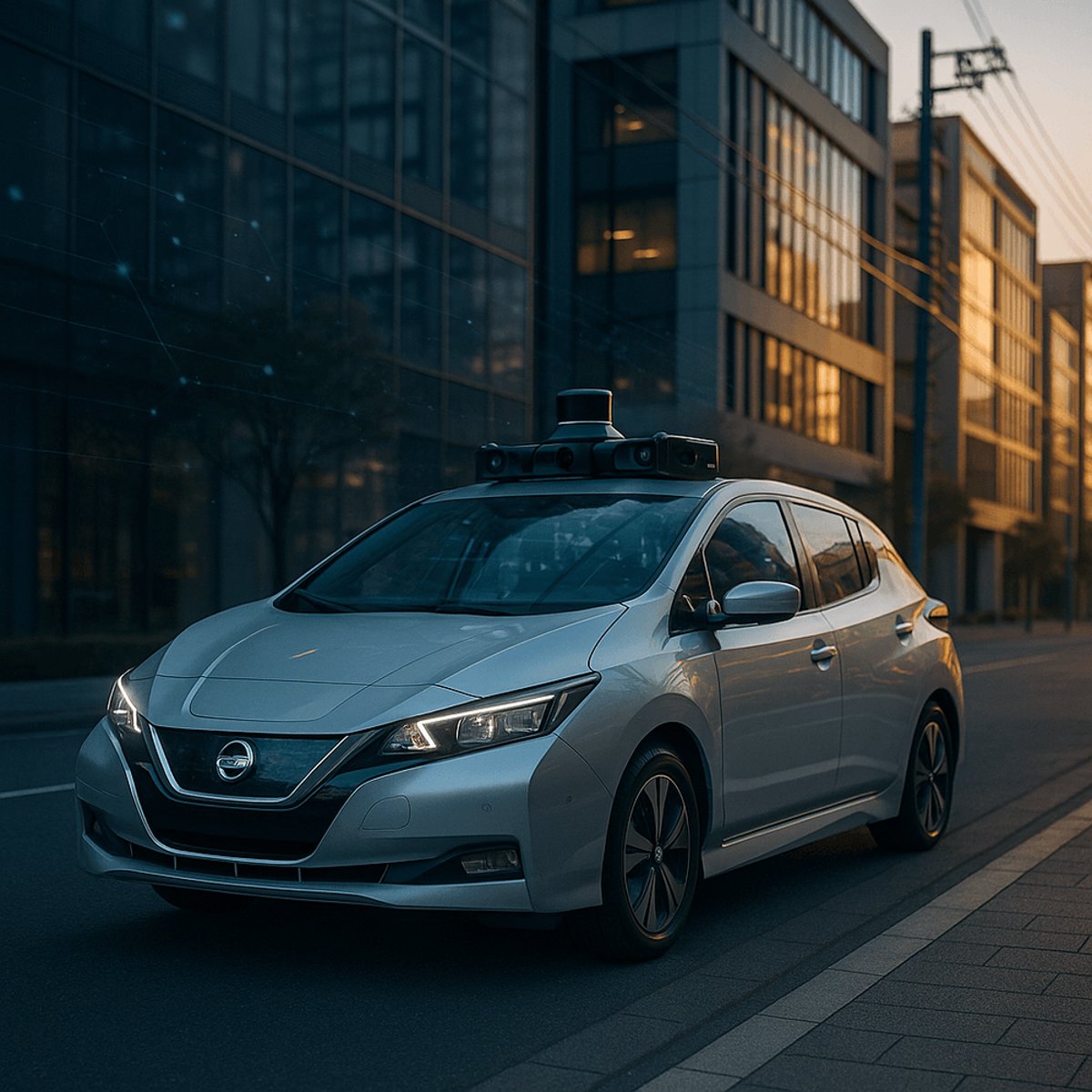
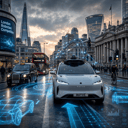
Here's how it works: Nissan will retrofit its electric Leaf vehicles with Wayve's AI-powered self-driving system, then make those cars available to Tokyo riders through the Uber app. It's a blueprint that lets each company play to its strengths - Nissan builds the hardware, Wayve handles the AI brain, and Uber provides the marketplace and customer base.
The partnership is particularly strategic for Wayve, which has raised over $1 billion from investors including Microsoft, Nvidia, and SoftBank. Unlike competitors that rely on expensive lidar sensors and high-definition maps, Wayve's approach uses camera-based vision and what it calls "embodied AI" - systems that learn to drive by processing visual data much like human drivers do. The company claims this makes its technology more adaptable to new cities and road conditions.
Tokyo presents a fascinating test case. The city's narrow streets, aggressive cyclists, and unique traffic patterns have stymied previous autonomous vehicle attempts. But Japan's government has been increasingly receptive to self-driving tech, viewing it as critical infrastructure for its aging population. Tokyo approved limited autonomous vehicle testing in 2023, and regulators have signaled they're open to commercial deployments that can prove safety.
Uber isn't the only player eyeing Tokyo's robotaxi potential. Waymo has been in talks with Japanese partners for years, while domestic players like Toyota and Honda have their own autonomous ambitions. The difference is timing - this partnership appears positioned to beat competitors to market.
For Nissan, the collaboration offers a lifeline. The automaker has struggled financially in recent years, lagging behind rivals in the electric vehicle transition. Becoming the hardware provider for a high-profile robotaxi service could rehabilitate its tech credentials and provide a new revenue stream as consumer car sales soften.
The deal structure mirrors Uber's broader autonomous strategy: rather than own the self-driving tech, become the indispensable marketplace. The company has similar partnerships in the works with Aurora for freight and previously worked with Waymo in Phoenix. CEO Dara Khosrowshahi has repeatedly said Uber views autonomous vehicles as complementary to human drivers, not replacements - though that messaging tends to shift depending on the audience.
What's conspicuously absent from Thursday's announcement: specifics. No word on fleet size, pricing, service area within Tokyo, or what level of autonomy these vehicles will operate at. The companies also haven't disclosed whether safety drivers will be present initially, though that's likely given Japanese regulatory requirements.
Industry analysts suggest the Tokyo launch could serve as a proof of concept for broader Asian expansion. If Wayve's camera-based system can handle Tokyo's chaos, it theoretically becomes easier to deploy in other dense Asian cities - places where Waymo's lidar-heavy approach has struggled to scale economically.
The timing also matters. This announcement comes as the autonomous vehicle industry faces mounting skepticism. Cruise suspended operations after a San Francisco incident, while Waymo expansion has been slower than promised. Tesla's robotaxi ambitions remain vaporware despite years of promises. Uber's partnership model suddenly looks less like hedging and more like strategy.
Still, Tokyo residents shouldn't expect to hail driverless Leafs next week. Autonomous vehicle timelines are notoriously optimistic, and launching in a new country involves regulatory hurdles that can drag for months. But if nothing else, Thursday's announcement signals that the robotaxi race is going global - and Uber's determined to own the platform even if it doesn't own the cars.
The Uber-Wayve-Nissan partnership represents a new playbook for autonomous vehicle deployment: combine a platform company's distribution, an AI startup's technology, and an automaker's manufacturing muscle. If it works in Tokyo's demanding environment, expect this model to replicate across Asia and beyond. But the robotaxi graveyard is littered with ambitious announcements that never materialized. The real test isn't the press release - it's whether actual Tokyo riders end up trusting a camera-powered AI to navigate their city's legendary traffic. That answer is still months away.