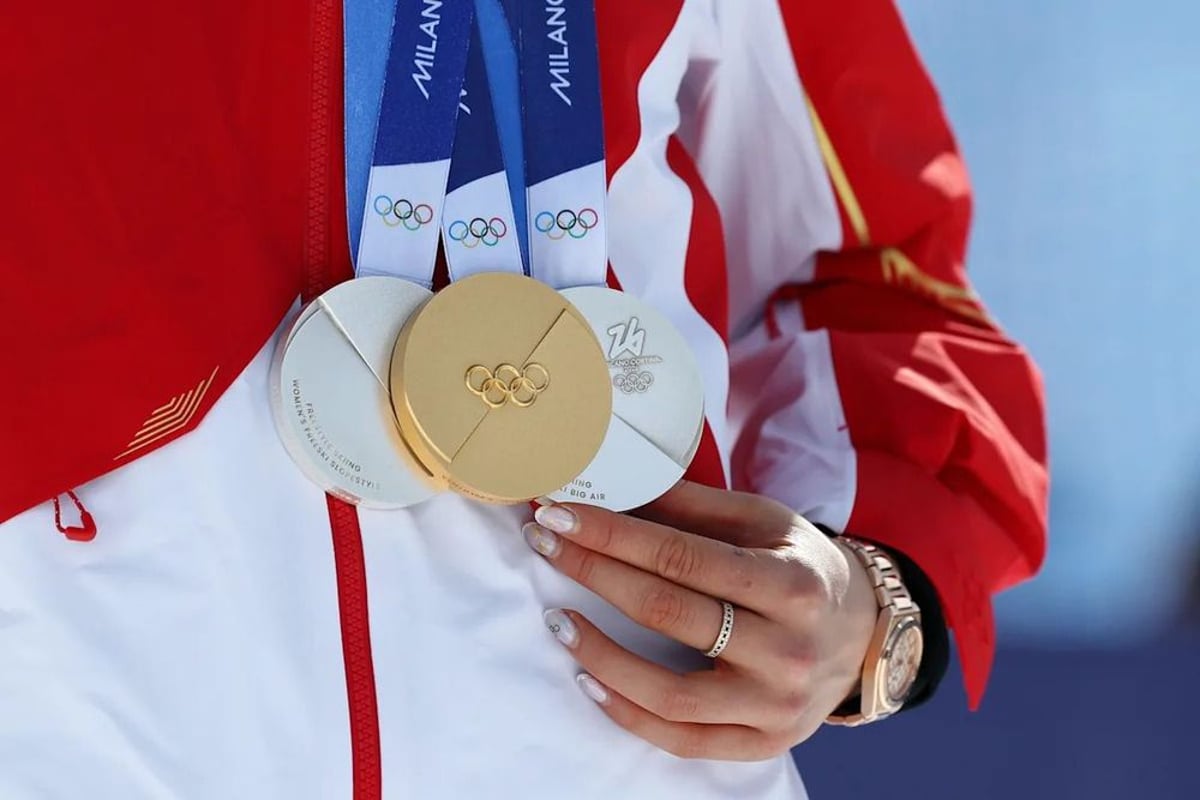
At the 2026 Winter Olympics, glory travels with luggage. Sometimes that luggage is stuffed with cash.
Nearly 2,900 athletes from more than 90 countries are battling across 116 medal events. The International Olympic Committee hands out medals, not money. But many governments quietly attach price tags to the podium.
At the top of the payout mountain sits Singapore. A gold medal is worth about $792,000. Silver brings $395,000. Bronze, $197,000. That is a staggering figure for a country that has never won a Winter Olympic medal. This year, it sent one alpine skier. The upside, at least on paper, is enormous.
Hong Kong is close behind, offering roughly $768,000 for gold. It too is still chasing its first Winter Games medal.
In Europe, Poland offers a different kind of jackpot. A gold medalist can receive about $211,000, plus a Toyota Corolla, a two room apartment, a painting, jewelry and even a holiday voucher. Italy, the host nation, pays around $214,000 for gold. South Korea awards about $208,000 and, in some cases, athletes also collect bonuses from sports federations and luxury gifts from sponsors.
Then there is the United States. The United States Olympic & Paralympic Committee pays $37,500 for gold. Respectable, but modest compared with Asia’s headline numbers.
And some powerhouses pay nothing at all. Norway, the most decorated Winter Games nation ever, offers no direct medal bonuses. The United Kingdom follows a similar model, funding training rather than podium prizes.
An Olympic medal is forged in years of sacrifice. In some countries, it comes with a six figure cash-out. In others, it only comes with fame and a round of applause.