Microsoft just crossed a massive threshold. Windows 11 hit 1 billion users during the holiday quarter, reaching the milestone faster than Windows 10 managed back in 2020. The surge comes as Microsoft pulls the plug on Windows 10 support, forcing millions to upgrade while Windows OEM revenues climb. It's a telling shift in how quickly users now adopt new operating systems.
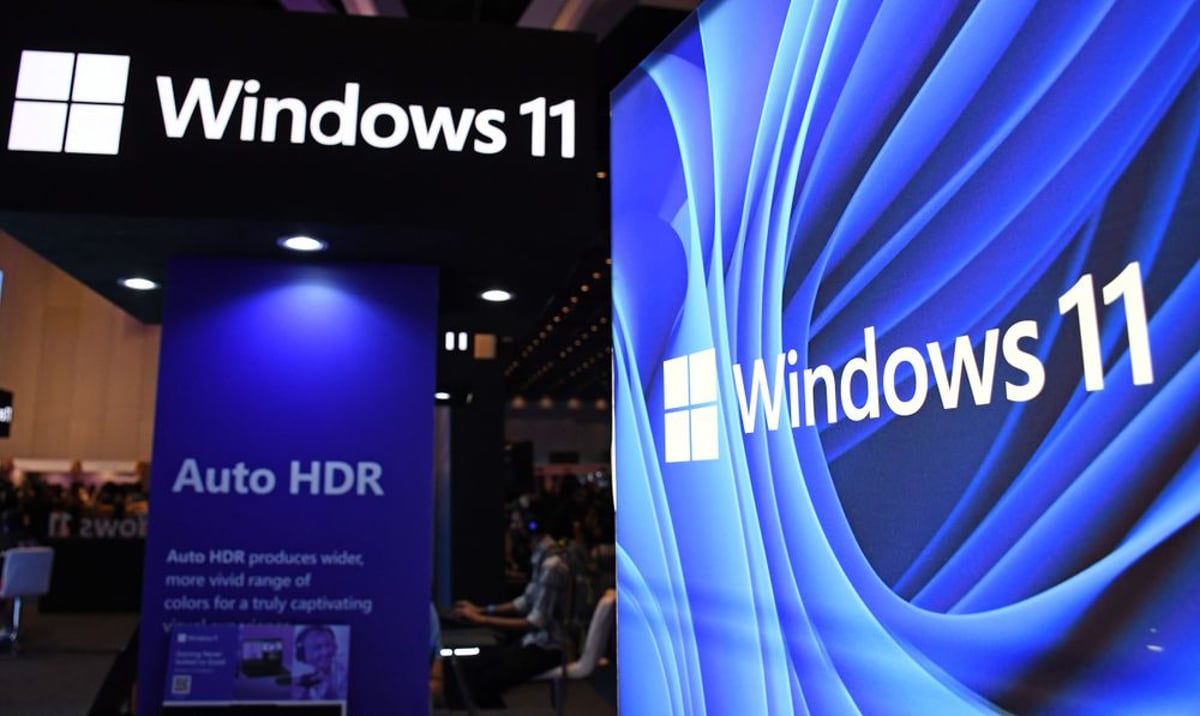
Microsoft just notched a win that shows how much the PC landscape has changed. Windows 11 now runs on 1 billion devices worldwide, and it got there faster than its predecessor - a milestone that seemed uncertain when the operating system launched with controversial hardware requirements back in 2021.
"Windows reached a big milestone, 1 billion Windows 11 users," Microsoft CEO Satya Nadella told investors on the company's fiscal Q2 2026 earnings call. "Up over 45 percent year-over-year." The timing is no accident. Microsoft hit the billion-user mark during the holiday quarter, exactly when the company's Windows 10 end-of-life deadline started pushing holdouts to upgrade.
The numbers tell a compelling story. Windows 11 reached 1 billion users in just 1,576 days since its October 2021 launch. Windows 10 took 1,706 days to hit the same milestone - a 130-day difference that reflects both the strength of the PC market and Microsoft's more aggressive migration strategy this time around. As recently as November 19th, Windows chief Pavan Davuluri revealed at Microsoft Ignite that "nearly a billion people" were running Windows 11, meaning the company added millions of users in just over a month.
The growth surge directly boosted Microsoft's bottom line. The company reported increased Windows OEM revenues as PC makers shipped devices with Windows 11 pre-installed, capitalizing on the forced upgrade cycle. Business customers, in particular, faced a hard deadline - stick with Windows 10 and lose security updates, or upgrade to hardware that meets Windows 11's TPM 2.0 and CPU requirements.
This milestone carries extra weight when you consider Windows 10's troubled journey to a billion users. Back in 2015, Microsoft boldly predicted it would get Windows 10 running on a billion devices within three years of launch. That didn't happen. The company had to extend the timeline after Windows Phone collapsed, eliminating what Microsoft had counted on as a major source of users. Windows 10 finally crossed the billion-user threshold in March 2020 - nearly five years after launch.
The contrast shows how Microsoft learned from past mistakes. Instead of betting on a mobile platform that never materialized, the company focused on desktop dominance and set a hard end-of-support date that gave users no choice but to move forward. The strategy worked, even though it meant leaving behind millions of PCs that couldn't meet Windows 11's strict hardware requirements.
What's driving adoption now isn't just the end-of-life deadline. Enterprise customers are embracing Windows 11's security features, including hardware-based protection that requires TPM 2.0 chips. Consumer adoption accelerated during the holiday shopping season as budget laptops with Windows 11 flooded the market. And Microsoft's integration of AI features through Copilot gave users a reason to upgrade beyond just security patches.
The momentum raises questions about what comes next for the billion-plus Windows 11 users. Microsoft has signaled that AI will play an increasingly central role in Windows, with Copilot features expanding across the operating system. The company's investment in making Windows 11 the platform for AI-powered productivity tools suggests this billion-user milestone is just the foundation for a broader strategic shift.
For Microsoft's competitors, the numbers are sobering. Apple doesn't disclose macOS user counts, but estimates put the entire Mac install base well below Windows 11's current numbers. Google's ChromeOS has gained ground in education, but remains a fraction of Windows' enterprise dominance. Microsoft's ability to force upgrades while maintaining its desktop monopoly shows the power of controlling the platform.
The 45% year-over-year growth also signals that Windows 11 adoption isn't slowing down. With Windows 10 support officially ended, the remaining holdouts will have to upgrade eventually. That means Microsoft's billion-user count will keep climbing through 2026 as businesses complete their migrations and older PCs get replaced.
Microsoft's billion-user milestone for Windows 11 marks more than just a numbers win - it shows the company has finally cracked the code on forced upgrades without breaking its enterprise relationships. By setting a hard Windows 10 deadline and tying security to new hardware requirements, Microsoft turned what could have been a slow migration into a 45% year-over-year growth story. The real test comes next, as the company tries to keep that billion-user base engaged with AI features and productivity tools while competitors like Apple and Google watch from the sidelines. For now, Microsoft owns the desktop, and Windows 11 proves it knows how to keep it that way.